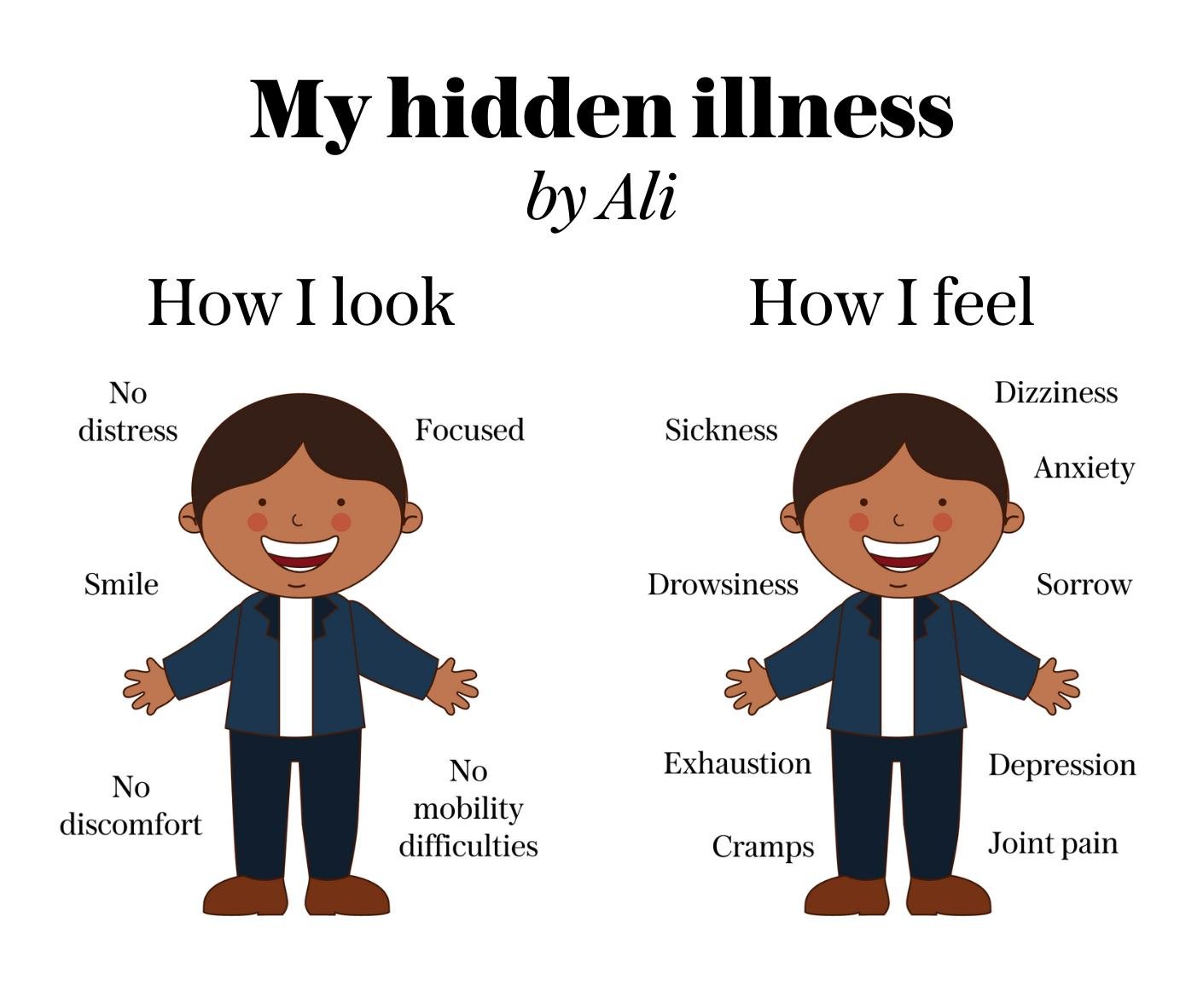
You might look fine from the outside. Active. Busy. Smiling.
But inside, things can be off.
Many silent health issues in young adults don’t show up in routine life. You still go to work. You still scroll your phone. You still function. Yet your body struggles in the background.
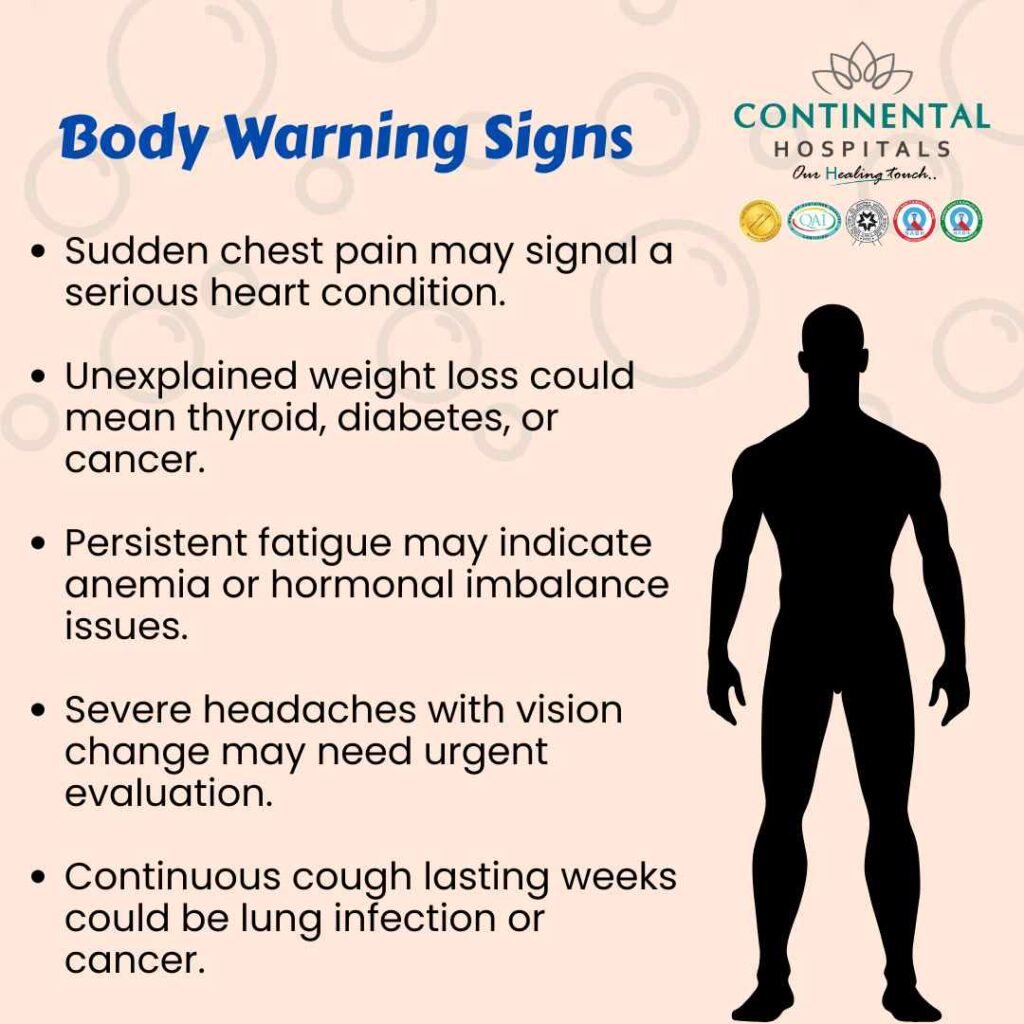
Fatigue, mood swings, poor sleep, or brain fog often get ignored. People call it stress. Others blame workload. Some say it’s just age catching up early. In reality, these are early warning signs of health problems.
Another reason these issues stay hidden is adaptation. The body adjusts to poor habits. Less sleep feels normal. Junk food feels okay. Constant stress becomes routine. That’s how health problems young adults don’t notice quietly settle in.
The real problem
Simple solution
The biggest mistake is waiting for pain. Many health problems that show no symptoms still harm organs, hormones, digestion, and mental balance.
Start listening to patterns, not pain.
- Low energy every day is not normal
- Poor focus isn’t laziness
- Mood changes aren’t “just personality”
Tracking sleep, stress, digestion, and energy gives early clues. Awareness alone can prevent long-term damage.

2. Why Hidden Health Problems Are Rising in Young Adults
This rise didn’t happen overnight. Lifestyle changes created it.
2.1 Modern Lifestyle Is Quietly Hurting Your Body
Long sitting hours. Endless screen time. Late nights. Fast meals.
This routine looks normal, but it creates modern lifestyle health risks.
Movement drops. Posture worsens. Digestion slows. Sleep quality suffers. Over time, this leads to unhealthy lifestyle effects like inflammation, weight changes, and low immunity.
Many young people feel tired even after rest. That’s not laziness. It’s the body reacting to imbalance.
Solution:
- Walk daily, even short distances
- Reduce screen exposure before bed
- Eat real food most days, not perfectly—just better
Small consistency beats extreme routines.
2.2 Stress Isn’t Just Mental, It’s Physical
Stress doesn’t stay in the mind. It travels through the body.
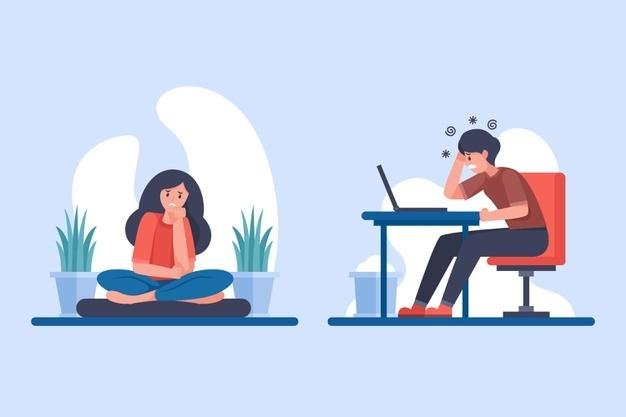
Constant pressure affects hormones, gut health, sleep, and immunity. That’s why stress-related health issues show up as headaches, digestion problems, anxiety symptoms, or burnout.
Many young adults feel “wired but tired.” Sleep feels shallow. Thoughts race. Energy crashes mid-day. These signs point toward burnout in young adults, not weakness.
Solution:
- Set mental boundaries with work and devices
- Practice short breathing breaks
- Prioritize rest without guilt
Recovery is productive. Ignoring stress costs more later.
2.3 Health Problems That Stay Silent for Years
Some conditions don’t scream. They whisper.
Issues like vitamin deficiencies, hormonal imbalance, insulin resistance, or gut dysfunction often progress slowly. That’s why unnoticed health problems in youth get discovered late.
You might feel “off” but can’t explain why. That confusion delays action. Over time, silent problems become loud illnesses.
Solution:
- Don’t ignore long-term discomfort
- Get basic screenings when energy stays low
- Treat prevention as protection, not fear
Early attention saves years of recovery.
3. Common Hidden Health Problems Young Adults Face Today
3.1 Constant Fatigue and Low Energy Levels
Feeling tired all the time is often brushed off. Late nights. Work pressure. Social life. That excuse sounds logical, but ongoing exhaustion isn’t normal.
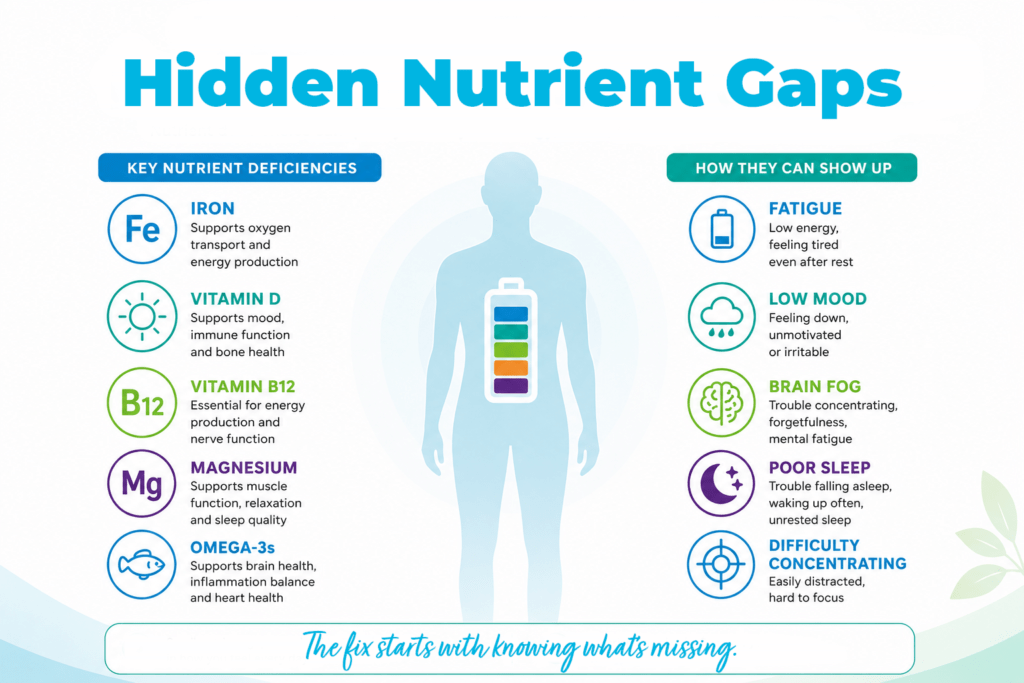
Many people search for why young adults feel tired all the time because sleep alone doesn’t fix it. Causes usually include poor nutrition, stress overload, weak gut absorption, or vitamin deficiency symptoms like low iron or B12.
Problem:
Low stamina reduces focus, mood, and motivation. Over time, it affects productivity and emotional balance.
Solution:
- Fix sleep timing first, not just sleep hours
- Eat protein-rich meals earlier in the day
- Get basic nutrient levels checked if fatigue sticks
Energy returns when the root cause is addressed, not when caffeine increases.

3.2 Mental Health Issues That Show Up in the Body
Mental strain doesn’t stay mental.
Anxiety can show up as chest tightness, stomach discomfort, or shallow breathing. Depression often brings poor sleep, appetite changes, or constant heaviness. These mental health issues in young adults are frequently misread as physical illness—or ignored entirely.
Problem:
Unmanaged emotional stress leads to burnout, poor immunity, and relationship struggles.
Solution:
- Acknowledge emotional signals without shame
- Create device-free downtime daily
- Talk openly instead of suppressing feelings
Mind and body heal together, not separately.
3.3 Hormonal Imbalances You Might Be Ignoring
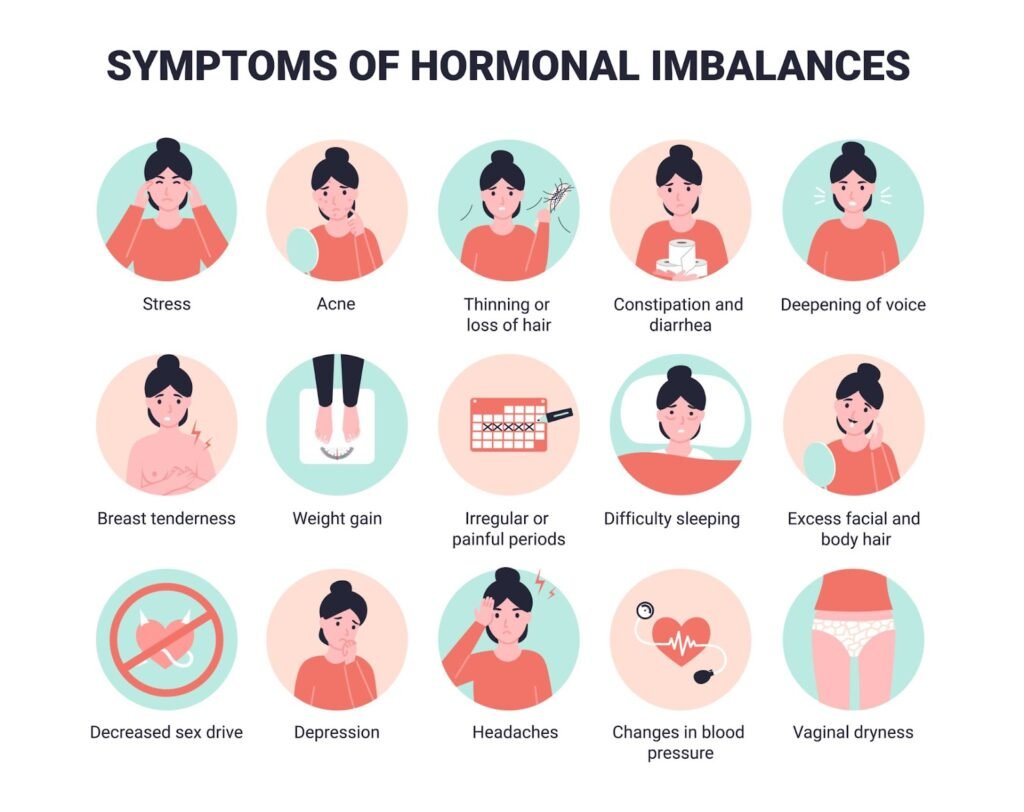
Hormones control energy, mood, weight, and focus. When they shift, everything feels off.
Hormonal imbalance symptoms include irregular cycles, hair fall, acne, mood swings, or unexplained weight changes. Conditions like PCOS symptoms in young women or testosterone imbalance in men are becoming more common.
Problem:
Ignoring hormonal signals worsens metabolic and emotional health.
Solution:
- Manage stress consistently
- Avoid extreme dieting
- Maintain regular sleep schedules
Balance comes from routine, not restriction.
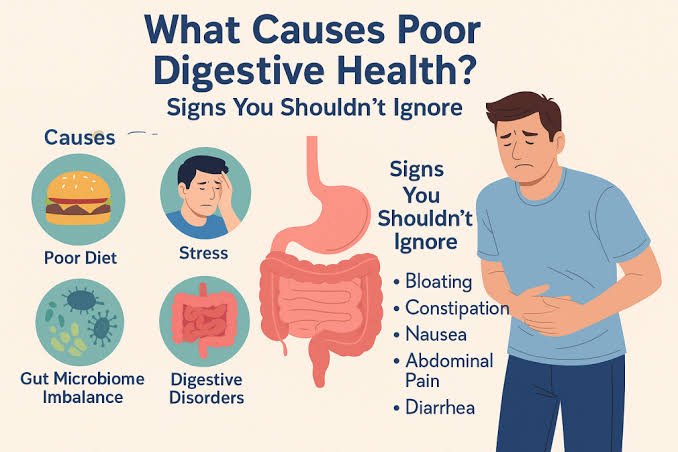
3.4 Gut Health Problems and Digestive Issues
Digestive discomfort isn’t always about food choice. Bloating, acidity, irregular digestion, or food sensitivity often point to deeper gut health problems.
Poor digestion affects immunity, skin, mood, and nutrient absorption. That’s why digestive issues young adults experience should never be ignored.
Problem:
A weak gut leads to inflammation, low energy, and frequent illness.
Solution:
- Eat slower and chew properly
- Reduce ultra-processed foods
- Add fiber and fermented options gradually
Healing digestion improves overall health faster than most expect.
3.5 Vitamin and Mineral Deficiencies
Many young adults eat enough but still lack nutrients. That’s because poor absorption and food quality matter.
Hidden deficiencies in the body cause hair thinning, brittle nails, brain fog, and low immunity. These signs often go unnoticed for years.
Problem:
Deficiencies weaken physical and mental resilience.
Solution:
- Choose whole foods over supplements first
- Get sunlight exposure regularly
- Test instead of guessing supplements
Correcting gaps restores strength and clarity.
4. Silent Lifestyle Diseases Affecting Young Adults
4.1 Early Signs of Heart and Metabolic Issues
Heart problems aren’t just for older people anymore.
Rising cases of high blood pressure in youth and high cholesterol in young adults come from inactivity, stress, and poor eating patterns. These are classic silent heart disease symptoms—no pain, no warning.
Problem:
Unchecked numbers increase long-term risk quietly.
Solution:
- Walk daily, even short distances
- Reduce sugary drinks
- Monitor basics once a year
Simple habits protect the heart early.
4.2 Insulin Resistance and Weight Changes
Sudden weight gain without overeating often confuses people. One hidden cause is insulin resistance.
Insulin resistance symptoms include cravings, fatigue after meals, and stubborn belly fat. It’s one of the most ignored metabolic health issues in young adults.
Problem:
Left unmanaged, it increases diabetes risk later.
Solution:
- Eat balanced meals with protein and fiber
- Reduce constant snacking
- Stay active after meals
Stability matters more than calorie counting.
5. Early Warning Signs Your Body Is Unhealthy (Don’t Ignore These)
5.1 Constant Brain Fog and Poor Focus
Problem:
Mind feels slow. Focus drops. Memory feels weak.
This often signals stress overload, gut issues, or hidden deficiencies.
Solution:
- Improve sleep timing
- Reduce screen use before bed
- Eat nutrient-dense foods
(Include: brain fog causes, early health warning signs)
5.2 Mood Swings and Emotional Instability
Problem:
Sudden anger, sadness, or anxiety without reason.
Often linked to hormonal imbalance or chronic stress.
Solution:
- Stabilize daily routine
- Manage stress intentionally
- Avoid skipping meals
(Include: mood swings health causes, emotional health problems)
5.3 Poor Sleep and Constant Restlessness
Problem:
Trouble falling asleep or waking up tired.
A common sign of lifestyle imbalance.
Solution:
- Fixed sleep schedule
- Reduce caffeine late
- Create a calm night routine
(Include: sleep disorders in youth, poor sleep health effects)
5.4 Weak Immunity and Frequent Illness
Problem:
Catching colds often. Slow recovery.
Points toward immune weakness or nutrient gaps.
Solution:
- Support gut health
- Improve diet quality
- Get enough rest
(Include: immune system weakness, early signs your body is unhealthy)
6. Why Most Young Adults Ignore These Health Problems
6.1 “I’m Too Young to Be Sick” Mindset
Problem:
Believing age protects health delays action.
Solution:
- Understand health problems in your 20s are real
- Focus on prevention, not fear
(Include: health problems young adults don’t notice)
6.2 Normalizing Constant Tiredness
Problem:
Fatigue becomes routine, not questioned.
Solution:
- Treat energy loss as a signal
- Track patterns, not excuses
(Include: low energy levels causes)
6.3 Social Media Comparison Pressure
Problem:
Comparing health to filtered lives increases neglect.
Solution:
- Focus on personal well-being
- Limit digital overload
(Include: modern lifestyle health risks)
7. Preventive Health Tips for Young Adults (Simple & Practical)
7.1 Daily Habits That Protect Long-Term Health
Problem:
Inconsistent routines damage balance.
Solution:
- Daily movement
- Regular meals
- Consistent sleep
(Include: preventive health tips for young adults)
7.2 Why Early Disease Detection Matters
Problem:
Waiting for pain increases risk.
Solution:
- Basic health checks yearly
- Listen to early warning signs
(Include: early disease detection, preventive health awareness)
8. When to Take Hidden Health Issues Seriously
8.1 Signs You Should Never Ignore
Problem:
Ignoring long-term discomfort worsens outcomes.
Solution:
- Seek help when symptoms persist
- Act before damage spreads
(Include: early warning signs of health problems)
8.2 Knowing When to Ask for Help
Problem:
Self-diagnosing delays recovery.
Solution:
- Professional guidance saves time
- Prevention costs less than treatment
(Include: unseen health problems in youth)
9. How to Stay Ahead of Hidden Health Risks
9.1 Build Balance, Not Perfection
Problem:
Extreme routines fail long term.
Solution:
- Sustainable habits
- Flexible lifestyle changes
(Include: silent health risks for young people)
9.2 Listen to Your Body’s Signals
Problem:
Ignoring body warning signs leads to chronic issues.
Solution:
- Observe patterns
- Respond early
1. What are the most common hidden health problems young adults face today?
Many young adults deal with issues like constant fatigue, stress-related problems, hormonal imbalance, gut health issues, vitamin deficiencies, and mental health struggles. These problems stay hidden because symptoms look “normal” at first. The solution is early awareness, better daily habits, and not ignoring body signals.
2. Why do young adults feel tired all the time even after sleeping?
Feeling tired daily is not normal. Poor sleep quality, stress, nutrient deficiencies, weak digestion, or hormonal imbalance are common causes. Fixing sleep timing, improving diet, managing stress, and checking deficiencies can slowly restore energy levels.
3. Can health problems exist without any clear symptoms?
Yes, many health problems show no symptoms in the beginning. High cholesterol, insulin resistance, vitamin deficiencies, and hormonal issues can stay silent for years. Regular health checkups and listening to small changes in your body help catch problems early.
4. How do I know if my body is giving warning signs?
If you notice brain fog, mood swings, poor sleep, frequent illness, low energy, or digestive discomfort for a long time, your body is asking for attention. These early warning signs should never be ignored. Acting early prevents bigger health issues later.
5. What are the best preventive health tips for young adults?
Simple habits work best. Sleep on time, move daily, eat real food, manage stress, and reduce screen time. You don’t need perfection—just consistency. Preventive care today saves years of recovery in the future.