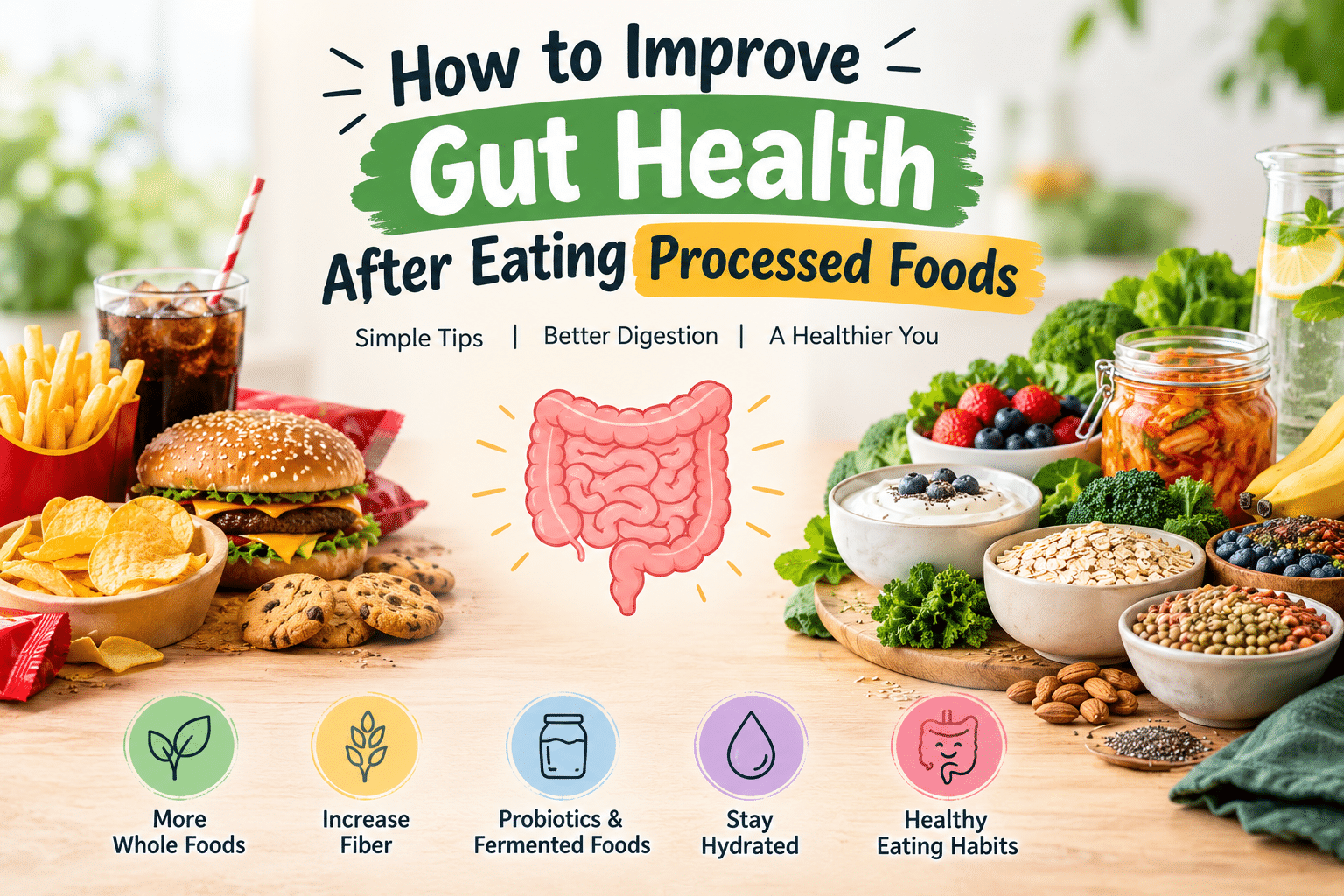
Your Gut Can Recover After Processed Foods
You don’t need an extreme detox or a strict “gut reset” just because you have eaten processed foods. The common belief that one unhealthy meal can completely damage your gut is misleading. Your digestive system is constantly working, and the better approach is to return to balanced, nutrient-rich foods, enough fiber, good hydration, and healthy daily habits. If you’re wondering how to improve gut health after eating processed foods, the answer starts with simple changes rather than a dramatic cleanse.
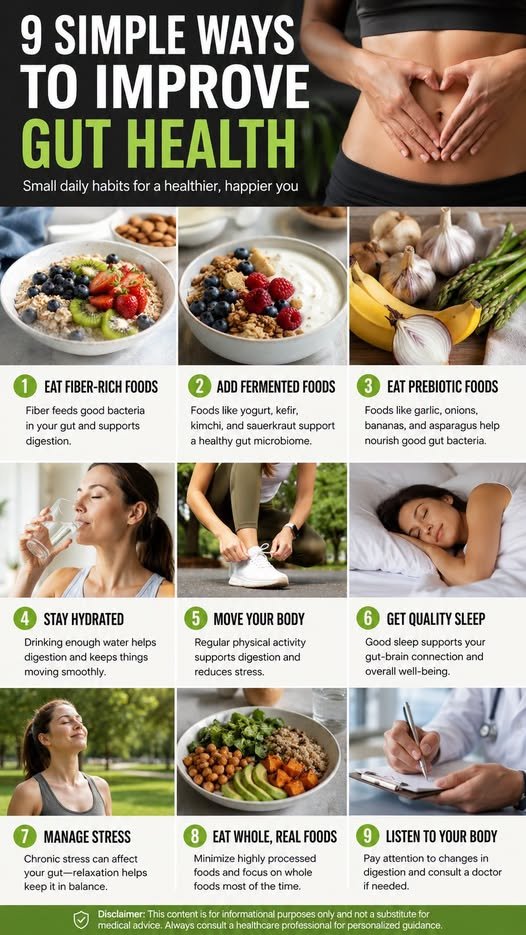
The good news? You can move in a better direction without making your diet complicated. Start adding more gut-friendly foods, drink enough water, increase dietary fiber gradually, and include a variety of plant foods. These habits can help create a better environment for healthy gut bacteria while also supporting overall digestive wellness.
So, if your recent diet has included plenty of packaged meals, chips, sweets, or fast food, don’t panic. You don’t have to punish yourself or skip meals the next day. Instead, think about your next choice. A nourishing breakfast, a fiber-rich lunch, or a simple home-cooked dinner can be a much more useful step toward better gut health.
What Happens to Your Gut After Eating Too Much Processed Food?
Eating processed food occasionally is not automatically a problem. The bigger issue is what happens when highly processed choices become a regular part of your diet. When meals are built mostly around packaged snacks, refined carbohydrates, sugary drinks, and fast food, there may be less room for fiber-rich plants and other foods that support the digestive system.
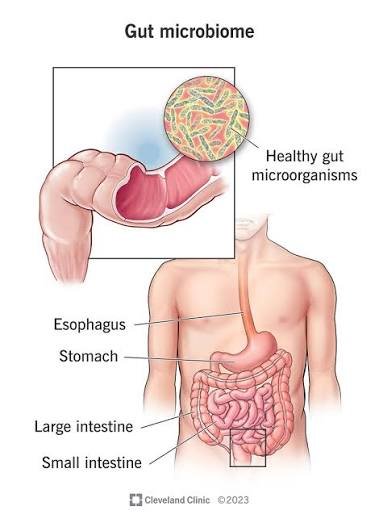
Your gut is home to trillions of microorganisms, including bacteria that interact with the food you eat. This community is often called the gut microbiome. A varied diet gives these microorganisms different nutrients to work with, while a limited diet may provide less variety.
2.1 How Processed Foods Can Affect the Gut
One important factor is fiber. Many minimally processed plant foods naturally contain fiber, while highly refined foods may contain much less. Fiber reaches parts of the digestive tract where beneficial gut bacteria can use it.
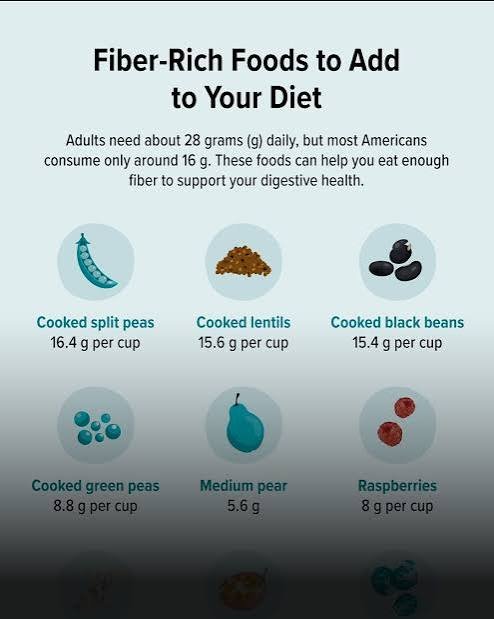
That’s one reason foods such as oats, beans, lentils, fruits, vegetables, whole grains, nuts, and seeds are valuable additions to a gut-friendly diet. They provide nutrients and different types of fiber that can support normal bowel function and a healthy gut environment.
Another concern is food variety. If someone regularly chooses the same few processed foods, their meals may lack the broad range of nutrients found in a diverse diet. Adding different colors, textures, and plant foods can make meals more nutritious while supporting microbiome health.
Processed foods can also be easy to overeat because they are convenient, highly palatable, and often designed for quick consumption. This can crowd out balanced meals. Instead of thinking about completely banning these foods, focus on changing the overall pattern.
A simple goal is to add before you subtract. Put vegetables beside your main meal. Add fruit to breakfast. Choose oats instead of a highly refined breakfast option. Include beans or lentils during the week. These small decisions can gradually shift your diet toward better digestive health.
2.2 Common Signs Your Digestion May Need More Support
Your digestive system can sometimes give you clues that your current eating habits are not working well for you. Common complaints include bloating, constipation, changes in bowel habits, stomach discomfort, or feeling unusually full after meals.However, these symptoms do not automatically mean that your gut is “damaged.” Digestive changes can have many possible causes, including diet, stress, hydration, medications, food intolerances, and other health conditions.
Constipation is another common concern. A diet lacking in fiber, inadequate fluid intake, and low physical activity can all contribute to irregular bowel movements. Bringing more fiber-rich foods into your meals and maintaining adequate hydration can support normal bowel regularity.
If digestive symptoms are severe, persistent, or accompanied by warning signs such as unexplained weight loss, blood in the stool, persistent vomiting, or significant pain, it’s better to speak with a healthcare professional rather than trying to solve the issue with a diet change alone.
If you’ve been eating too many processed foods, your goal should not be to “clean your gut” overnight. Your better strategy is to create healthier conditions through consistent habits.
Choose more whole foods. Bring back fiber gradually. Drink enough water. Add variety to your meals. Include suitable fermented or probiotic foods. Most importantly, make these changes consistently rather than following an extreme short-term plan.
That is the foundation for how to restore gut health after eating too much processed food and build better long-term digestive habits.
3. 7 Powerful Ways to Improve Gut Health After Eating Processed Foods
You don’t need to completely change your diet overnight to improve your gut. The real goal is to replace low-nutrient choices with foods that give your digestive system more fiber, nutrients, and variety. Here are seven simple ways to get started.
3.1 Start Adding More Whole Foods
After eating lots of packaged meals or snacks, your first step should be simple: add more whole foods. Fresh fruits, vegetables, beans, lentils, whole grains, nuts, and seeds provide nutrients that highly processed choices may lack.
Instead of removing everything at once, replace one processed item with a whole-food option. For example, choose fruit instead of a packaged sweet snack. This simple switch can help you build a more gut-friendly diet without feeling restricted.
3.2 Increase Fiber Slowly
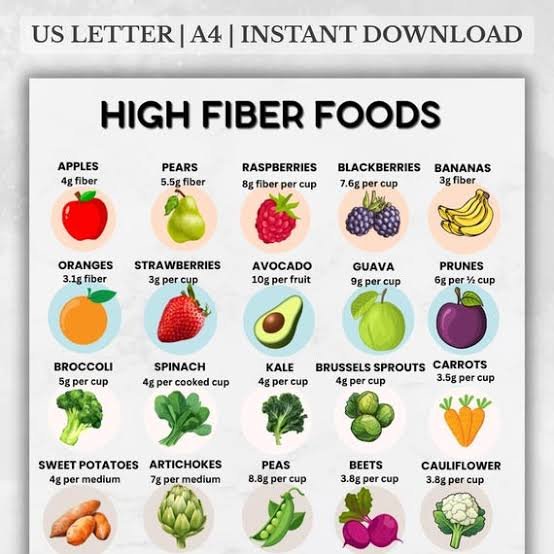
Fiber is one of the most important nutrients for digestive health because it helps support regular bowel movements and provides fuel for beneficial gut bacteria.
Try adding oats, berries, apples, beans, lentils, vegetables, and whole grains to your meals. However, don’t suddenly overload your plate with fiber. A rapid increase can cause gas or bloating.
Solution: Increase fiber gradually and drink enough water as your intake rises.
Add Probiotic and Fermented Foods
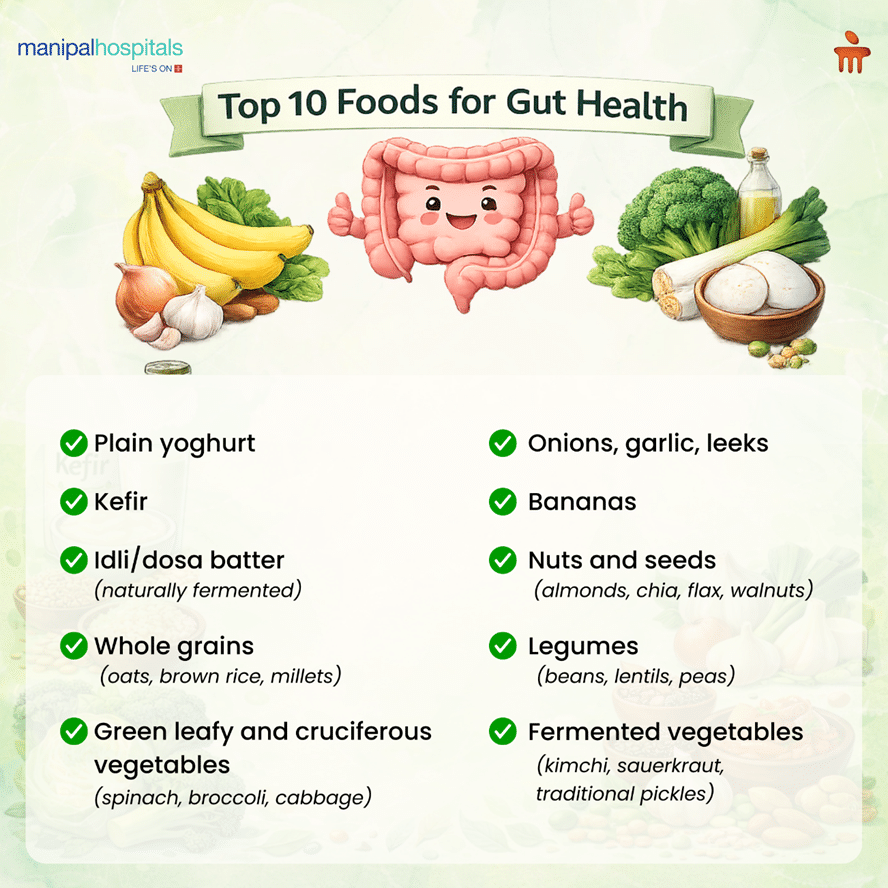
Want to support your healthy gut bacteria? Add probiotic and fermented foods to your routine. Yogurt with live cultures, kefir, kimchi, sauerkraut, and other fermented foods can be useful choices.
If you rarely eat these foods, start with a small serving rather than adding several options at once. This makes it easier to see how your body responds.
3.4 Eat More Prebiotic Foods
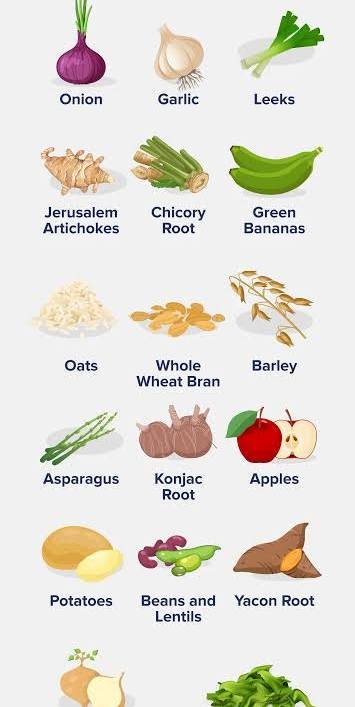
Probiotics get plenty of attention, but prebiotic foods matter too. They provide certain types of dietary fiber that beneficial gut microorganisms can use.
Good choices include onions, garlic, oats, bananas, beans, lentils, and several vegetables. Add them to meals gradually to support your gut microbiome.
A simple idea? Add oats at breakfast and beans or lentils to lunch or dinner.
3.5 Drink Enough Water
Fiber works better when your body gets enough fluid. If you suddenly increase fiber but barely drink water, you may experience constipation or discomfort.
Keep water available throughout the day and make it your main drink. Proper hydration can support digestion and bowel regularity, especially when paired with fiber-rich foods.
3.6 Reduce Processed Foods Without Trying to Be Perfect
You don’t have to label every processed food as “bad.” The better strategy is to reduce how often highly processed choices dominate your meals.
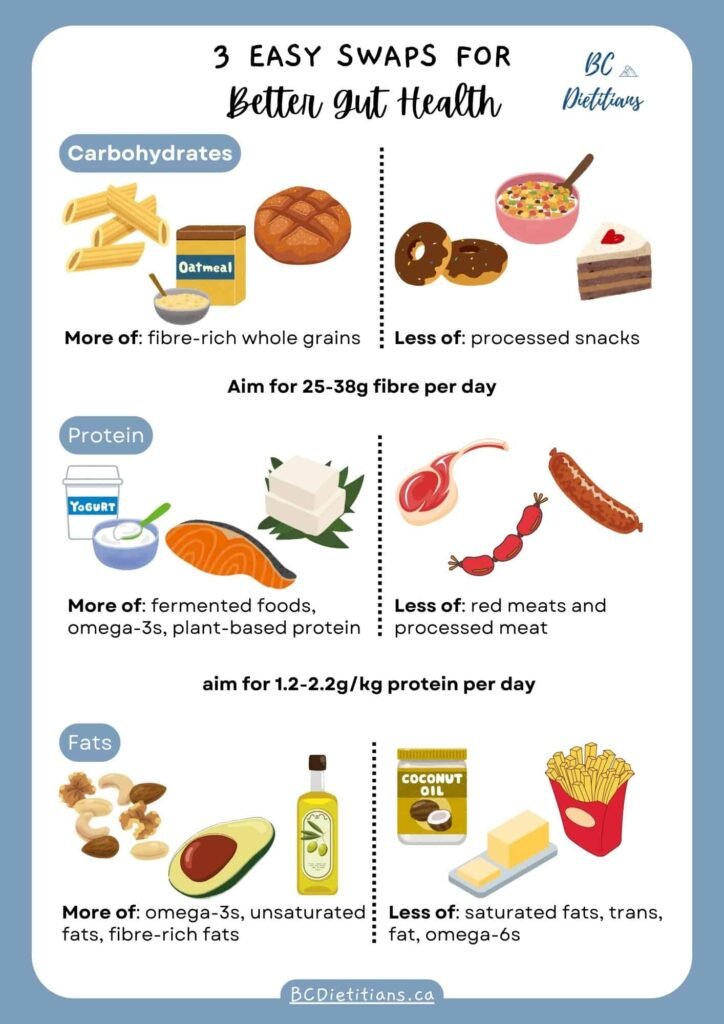
Swap sugary drinks for water, packaged snacks for fruit or nuts, and frequent fast food for simple home-cooked meals.
This approach makes how to restore gut health after processed foods much easier because you are building better habits instead of following an extreme diet.
3.7 Build Consistent Healthy Eating Habits
Your gut doesn’t need a perfect diet for two days. It needs a consistent pattern you can maintain.
Eat a variety of plant foods, include fiber regularly, stay hydrated, and keep ultra-processed foods from becoming the foundation of your diet. Small choices repeated over time can do more for long-term gut health than a short, restrictive “gut reset.”
4. Best Foods to Improve Gut Health After Processed Foods
If you’re wondering what to eat after eating too much processed food, focus on simple, nutrient-rich choices rather than skipping meals.
4.1 Fiber-Rich Foods
Start with oats, beans, lentils, fruits, vegetables, whole grains, nuts, and seeds. These foods provide dietary fiber that supports digestion and helps nourish beneficial microorganisms in the gut.
Easy choice: Add berries or an apple to breakfast, and include beans or lentils with your main meal.
4.2 Probiotic Foods
Yogurt containing live cultures, kefir, kimchi, sauerkraut, and other fermented foods can add beneficial microorganisms to your diet.
If fermented foods are new to you, begin with a small portion and increase slowly if you tolerate them well.
4.3 Prebiotic Foods
Onions, garlic, oats, bananas, legumes, and certain vegetables are useful prebiotic foods. They contain fibers that can help support the microorganisms already living in your digestive tract.
Try adding onions or garlic to cooked meals, oats to breakfast, or bananas as a simple snack.
4.4 Foods That Support Healthy Digestion
There is no single “magic” food that fixes your gut. A combination of whole foods, fiber-rich meals, adequate hydration, fruits, vegetables, legumes, and fermented foods is a much smarter approach.
The key is variety. The more balanced your meals become, the easier it is to support healthy digestion, gut microbiome health, and overall digestive wellness without relying on extreme cleanses.
1. How can I improve my gut health after eating processed foods?
Start by adding more whole foods, fiber-rich fruits and vegetables, legumes, whole grains, and suitable fermented foods. Drink enough water and gradually reduce highly processed foods. You don’t need an extreme detox; consistent healthy choices are a better approach.
2. What are the best foods to improve gut health after processed foods?
Oats, beans, lentils, fruits, vegetables, nuts, seeds, yogurt with live cultures, kefir, and other fermented foods are good choices. These foods can provide fiber, nutrients, and compounds that support a healthy gut microbiome.
3. How long does it take to restore gut health after eating processed foods?
There is no exact timeline because everyone’s digestion and diet are different. Some people may notice digestive improvements after making healthier changes, while building better long-term gut health requires consistent habits over time.
4. Can I reset my gut after eating too much processed food?
Yes, but you don’t need a harsh gut cleanse. Return to balanced meals, increase fiber gradually, stay hydrated, eat a variety of plant foods, and include suitable probiotic or fermented foods. Your goal should be to support your gut rather than “detox” it.
5. How can I rebuild healthy gut bacteria naturally?
Eat a varied diet rich in plant foods, fiber, prebiotic foods, and fermented foods. Beans, lentils, oats, bananas, vegetables, yogurt, and kefir can all fit into a gut-friendly eating pattern. Consistency matters more than a quick fix.