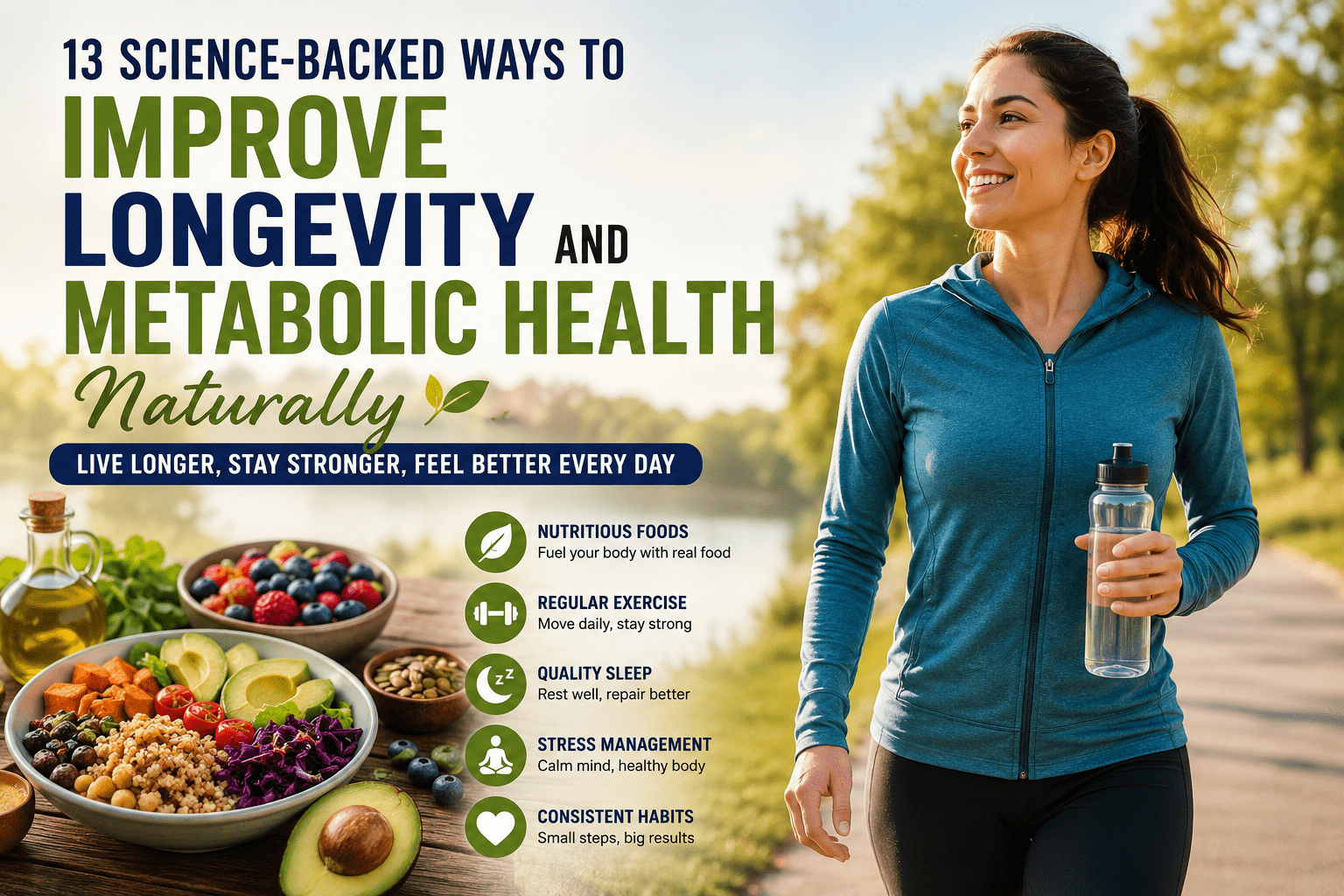
What if living longer isn’t the real goal? The real win is staying active, energetic, and disease-free as you age. Many people believe genetics decide everything. That’s only part of the story. Daily habits have a huge impact on how long and how well you live
What is Longevity?
Difference between
- Lifespan
- Healthspan
- What Does Longevity and Metabolic Health Really Mean?
Understanding Longevity: Lifespan vs. Healthspan
Longevity is often misunderstood as simply living for a long time. However, true longevity encompasses both the quantity and the quality of life. To understand this deeply, we must look at the difference between lifespan and healthspan. Lifespan refers to the total number of years a person remains alive, from birth to death. On the other hand, healthspan represents the period of life spent in good health, free from chronic diseases and debilitating disabilities.
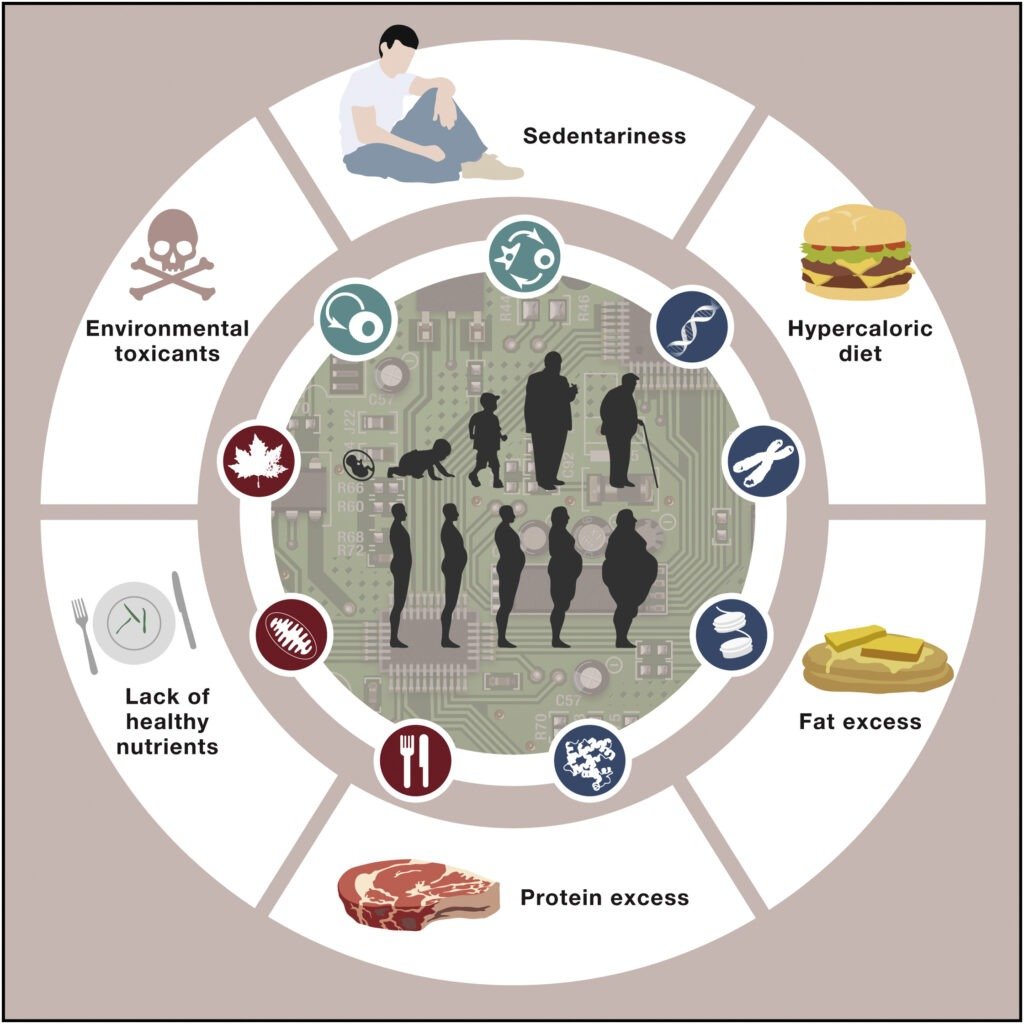
In modern times, advances in medical science have successfully extended our average lifespan. We have antibiotics, advanced surgeries, and life-saving medications that delay death. However, living longer does not automatically mean living healthier. This creates a “healthspan gap” where many individuals spend their final ten to fifteen years suffering from chronic illnesses like heart disease, dementia, or mobility issues.
years suffering from chronic
heart disease, dementia, or mobility issues.
Therefore, the ultimate goal of modern health
science is not just to add years to life, but to
add vibrant, functional life to those years.
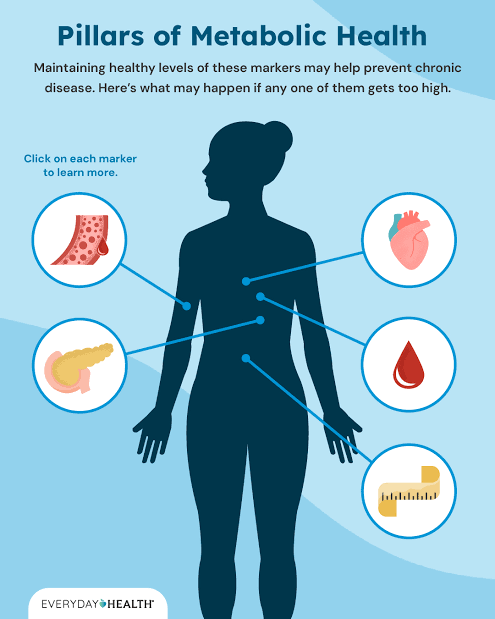
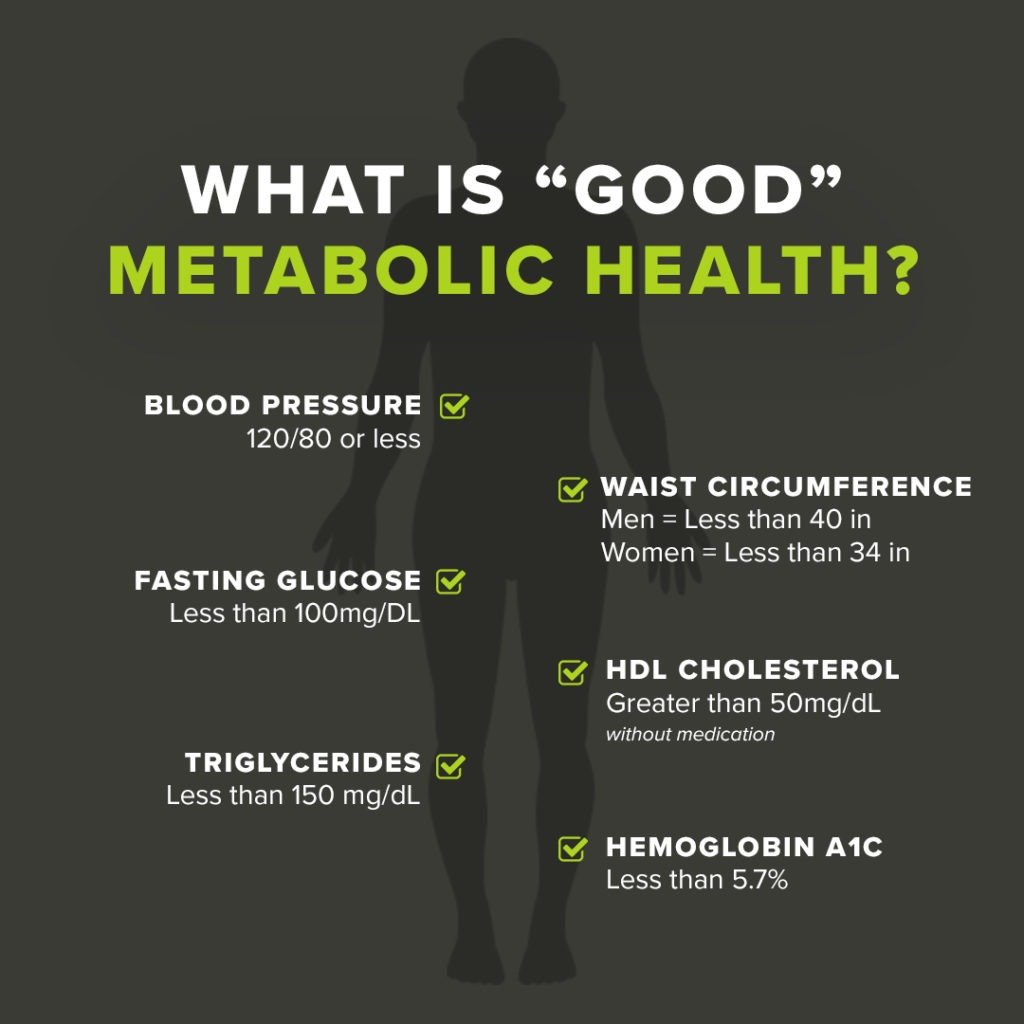
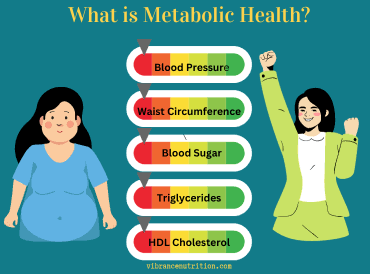
What is Metabolic Health?
The foundational engine that drives our
healthspan is metabolic health. In simple
terms, metabolic health means that your
body can process and distribute energy from
the food you eat efficiently, without causing
internal damage or inflammation. When you
are metabolically healthy, your biological
systems work in perfect harmony, reducing
the risk of systemic long-term conditions.
Two vital components of metabolic health are
blood sugar and insulin:
- Blood Sugar (Glucose): When we eat
carbohydrates, our digestive system
breaks them down into a simple sugar
called glucose, which enters our
bloodstream. This blood sugar is the
primary source of energy that fuels every
cell in our body.
1. Can I improve longevity naturally?
Yes. You can improve longevity naturally by building healthy daily habits. Eat whole foods, stay physically active, sleep 7–9 hours, manage stress, avoid smoking, and maintain a healthy weight. These simple lifestyle changes lower the risk of many chronic diseases and support a longer, healthier life. The solution is consistency—small healthy choices every day have a bigger impact than occasional big efforts.
2. What is the fastest way to improve metabolic health?
There is no instant fix, but you can see early improvements within a few weeks by combining healthy habits. Eat more protein and fiber, cut back on sugary drinks and ultra-processed foods, walk for at least 30 minutes daily, do strength training 2–3 times a week, and get enough sleep. This combination helps improve blood sugar control, energy levels, and insulin sensitivity faster than relying on a single habit.
3. Which foods increase lifespan?
Foods linked with a longer, healthier life include leafy greens, berries, beans, oats, nuts, seeds, olive oil, fatty fish, yogurt, and colorful vegetables. These foods provide fiber, healthy fats, vitamins, minerals, and antioxidants that protect your cells and reduce inflammation. Build most of your meals around these nutrient-rich foods instead of processed snacks.
4. Does exercise slow aging?
Yes. Regular exercise supports healthy aging by improving heart health, preserving muscle, strengthening bones, and boosting metabolism. A mix of walking, strength training, stretching, and balance exercises works best. Aim for at least 150 minutes of moderate activity each week and include muscle-strengthening exercises two or three times weekly for the greatest long-term benefits.
5. How long does metabolic improvement take?
Many people notice positive changes in energy and blood sugar within 2–4 weeks, while more significant improvements often take 2–3 months of consistent healthy habits. Focus on balanced nutrition, regular movement, quality sleep, and stress management. Long-lasting results come from staying consistent rather than looking for quick fixes.