
Many people believe emotional eating happens because they have weak willpower. That idea sounds simple, but it misses the real issue. Reaching for cookies after a stressful morning, eating chips while feeling lonely, or craving something sweet after a difficult conversation does not automatically mean you lack discipline. Food can become a familiar response to uncomfortable emotions, stress, boredom, tiredness, or certain daily routines. The good news is that this pattern can be understood and changed. Learning how to stop emotional eating with a positive morning mindset starts with noticing what happens before the craving appears rather than blaming yourself after eating.
Think about how your day usually begins. You wake up, check your phone, rush through your morning, think about unfinished tasks, skip breakfast, or start worrying about everything waiting for you. Before you realize it, your mind is already under pressure. Later, when a strong craving appears, food may feel like the easiest way to get a little comfort. This is why your morning matters. A calmer beginning can create space between an emotion and an automatic food response.
A positive morning mindset does not mean pretending that everything is perfect. It does not mean repeating unrealistic statements while ignoring genuine problems. Instead, it means starting the day with awareness, self-respect, and a practical plan. You learn to notice your feelings without immediately using food to change them.
For example, instead of thinking, “I always lose control around food,” you can shift toward, “Something is making me want to eat right now. Let me understand what it is.” That small change sounds simple, yet it can completely alter your response.
The goal is not to eliminate every craving. Cravings are normal. Hunger is normal. Enjoying food is normal too. The real goal is to recognize whether your body needs nourishment or whether your mind is searching for comfort, distraction, relief, or stimulation.
This distinction becomes especially important when someone wants to stop emotional eating naturally. You do not necessarily need another strict food rule. You need better awareness of your eating patterns, stronger coping strategies, and a healthier relationship with food.
2. What Is Emotional Eating?
Emotional eating means eating in response to feelings rather than genuine physical hunger. The emotion might be unpleasant, such as stress, sadness, anger, frustration, loneliness, or anxiety. Sometimes the feeling can even be positive. You may eat because you are celebrating, relaxing, rewarding yourself, or enjoying a special moment.
There is nothing automatically wrong with eating for enjoyment. Food is part of culture, relationships, celebrations, memories, and pleasure. The concern begins when eating becomes your main way of dealing with emotions.
Imagine this situation.
You have had a difficult day at work. Nothing terrible happened, but several small problems kept piling up. You arrive home mentally exhausted. You are not physically hungry because you ate recently, yet you immediately start searching for something sweet. You tell yourself that one piece will be enough. A few minutes later, you have eaten much more than planned.
Then guilt appears.
You think:
“I shouldn’t have done that.”
“I have no self-control.”
“I ruined my healthy eating.”
“Tomorrow I will eat almost nothing.”
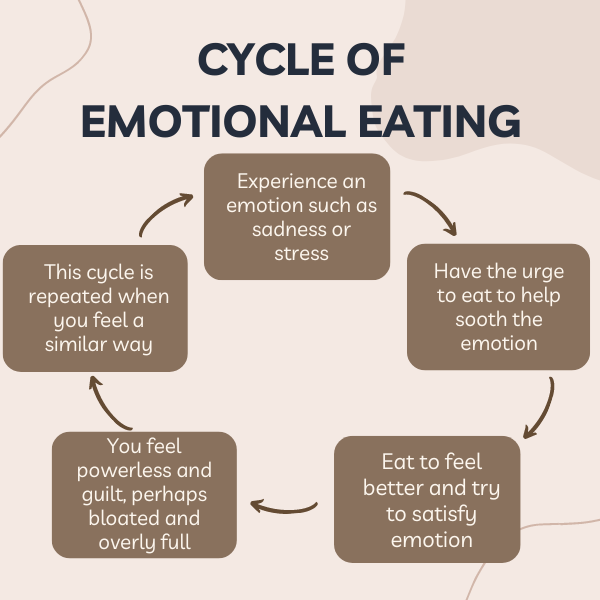
That final thought can create another problem. Restricting food the next day may leave you extremely hungry, frustrated, or preoccupied with eating. Eventually, another emotional moment arrives, and the cycle starts again.
This is why emotional eating is more complicated than simply “eat less.”
Emotional Eating vs. Physical Hunger
One of the most useful skills is learning the difference between emotional hunger and physical hunger.
Physical hunger usually develops gradually. Your stomach may feel empty. Your energy might decrease. You may notice normal hunger signals and become open to different foods.
Emotional hunger often feels more urgent. A particular food suddenly seems impossible to resist. You might want chocolate, ice cream, fried snacks, biscuits, pizza, or another comfort food even though you recently ate.
However, these signs are not absolute rules.
Physical hunger can arrive quickly after intense activity or a long period without food. Emotional eating can also happen when you are physically hungry. Human behavior is rarely divided into two perfectly separate boxes.
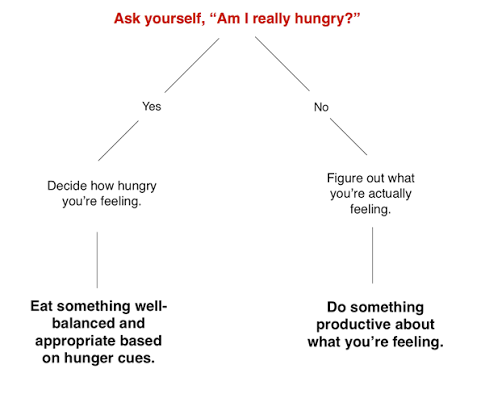
The better question is:
“What is driving my desire to eat right now?”
That question is more useful than judging yourself.
Consider two examples.
Example one:
You wake up after a long night, feel physically hungry, and want breakfast. You eat a balanced meal and feel satisfied afterward. That is normal nourishment.
Example two:
You have just finished breakfast, receive an upsetting message, and suddenly want a large dessert. Your stomach feels comfortable, but your mind wants immediate relief. That craving may have an emotional component.
Another example can happen during a boring afternoon. You are sitting at your desk with nothing interesting to do. You notice a packet of snacks nearby. You are not particularly hungry, but eating gives you something enjoyable to focus on.
That is where boredom eating can overlap with emotional eating.
The purpose of identifying these differences is not to create fear around food. You should not spend the entire day questioning every bite. Instead, develop a gentle habit of checking in when an unusually strong craving appears.
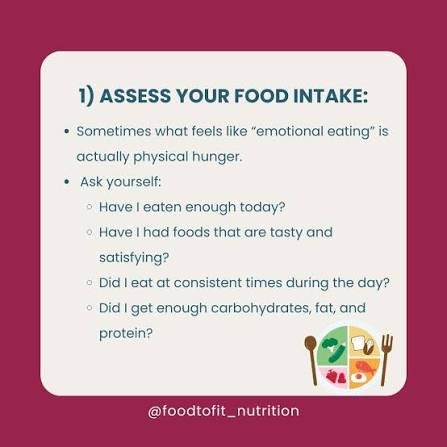
Ask yourself:
- When did I last eat?
- Do I notice physical hunger?
- Am I looking for one particular food?
- What am I feeling right now?
These questions can help you recognize emotional hunger without turning eating into a stressful mental exercise.
Why Emotional Eating Happens
There is rarely one single reason behind emotional eating. Different people develop the pattern for different reasons.
For some, food becomes a quick response to stress. For others, it becomes connected with boredom or loneliness. Someone else may have learned from childhood that sweets are a reward after difficult experiences.
Your environment matters too.
If snacks are always visible, available, and easy to reach, automatic eating becomes easier. If your normal routine involves watching television with a bowl of chips every evening, your brain can eventually connect that activity with food even when hunger is absent.
This is why emotional eating habits can become automatic.
Stress
Stress is one of the most common triggers.
When your mind feels overloaded, you naturally look for something that provides comfort or distraction. Food can offer immediate sensory pleasure. Eating also gives you a short break from whatever is bothering you.
The problem is that the relief may not last.
Once the food is gone, the original stress remains. If guilt follows, you now have another uncomfortable feeling to manage.
This can create a repeating pattern:
Stress → craving → eating → temporary comfort → guilt → more stress
Understanding this cycle is an important part of learning how to stop stress eating.
Boredom
Boredom can make ordinary food seem much more interesting.
When nothing is demanding your attention, eating creates stimulation. You may open the refrigerator simply because you do not know what else to do.
In this situation, the problem is not always hunger. Your brain may simply be asking for something engaging.
A useful question is:
“Am I hungry, or do I need something interesting to do?”
That small pause can reveal a lot.
Sadness and Loneliness
Food can feel comforting when you are emotionally low.
Certain meals may remind you of childhood, family gatherings, holidays, or people you love. Those memories can create powerful associations.
If you regularly use food to soothe loneliness, the behavior may become automatic. You may start reaching for familiar comfort foods before consciously recognizing that you are lonely.
This is why food cravings and emotions can be closely connected.
The answer is not to remove all enjoyable foods from your life. Instead, develop additional ways to respond to difficult feelings.
A phone call, short walk, relaxing shower, journal entry, conversation, hobby, or quiet moment can sometimes meet the emotional need more directly.

Anger and Frustration
Strong emotions can also influence eating behavior.
After an argument, disappointing result, difficult meeting, or frustrating situation, you may want something highly rewarding. Food becomes an easy outlet.
Sometimes people describe this as “I deserve this.”
That thought is worth noticing.
You might deserve rest. You might deserve kindness. You might deserve support. You might deserve a break.
But food does not always need to carry the entire responsibility for making you feel better.
Fatigue and Poor Sleep
Being tired can make healthy choices feel harder.
When your energy is low, convenience becomes more attractive. Planning meals, preparing food, and resisting automatic habits can require additional effort.
Poor sleep can also affect appetite and cravings for some people. When you are exhausted, you may seek quick energy or highly palatable foods.
This does not mean every craving caused by tiredness is emotional. Sometimes your body genuinely needs nourishment. That is why awareness matters more than rigid rules.
Late-night scrolling → chips
The brain learns associations through repetition.
After enough repetitions, the trigger can create an automatic desire for food.
You may not consciously think, “I am stressed, so I will eat.” The urge can appear almost instantly.
This is why changing emotional eating habits often requires changing routines as well as thoughts.
Why Guilt Can Keep Emotional Eating Going
After emotional eating, many people experience guilt.
They may promise to skip breakfast, dramatically reduce calories, or follow a strict plan the next day.
This response can make the situation worse.
Imagine eating more than you intended at night and deciding:
“Tomorrow I will barely eat.”
The next day arrives. You are hungry. You are also thinking about the food you are not allowing yourself to have.
By afternoon, hunger and restriction combine.
Now the chance of another overeating episode may increase.
This is why breaking the emotional eating cycle requires more than stopping the first episode. You also need to change what happens afterward.
A more helpful response is:
“I ate more than I intended. What triggered it? What can I learn? I can return to my normal routine at the next meal.”
No punishment.
No starvation.
No dramatic promises.
Just a calm reset.
That approach supports a healthier relationship with food.
2.6 Emotional Eating and Your Relationship With Food
A healthy relationship with food means you can enjoy eating without constant fear, guilt, or obsession.
Food provides nourishment, but it can also provide pleasure. Both realities can exist together.
Problems often develop when food becomes:
- Your main stress reliever
- Your reward for completing tasks
- Your punishment after a difficult day
- Your escape from uncomfortable feelings
- A source of constant guilt
- Something you believe you must earn
A balanced mindset sounds different.
Instead of:
“I was good today because I avoided dessert.”
Try:
“I made choices that supported my needs today, and I can enjoy food without judging myself.”
Instead of:
“I ruined my diet.”
Try:
“One meal does not determine my overall eating pattern.”
Instead of:
“I cannot control myself.”
Try:
“I am learning what triggers my cravings.”
This is where positive self-talk becomes useful.
Positive thinking is not about telling yourself something you do not believe. It is about replacing destructive statements with realistic, supportive ones.
21.1 What is the best way to stop emotional eating?
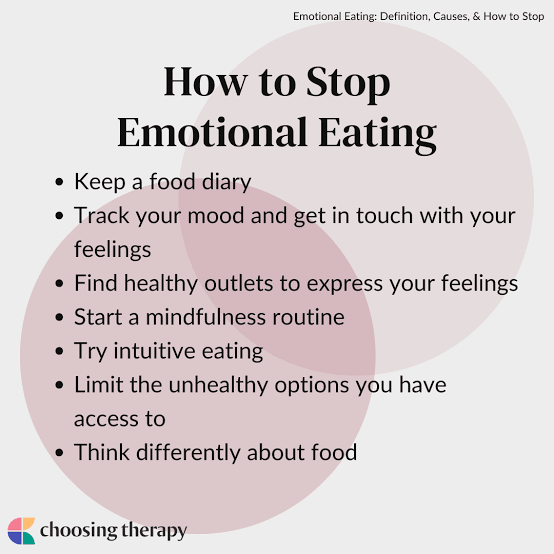
Start by identifying your trigger before reaching for food. Ask yourself whether you are physically hungry or responding to stress, boredom, sadness, or another emotion. A short pause, mindful breathing, and positive self-talk can help you choose a healthier response.
21.2 How can I tell if I am emotionally hungry or physically hungry?
Physical hunger usually develops gradually and can be satisfied by different foods. Emotional hunger often appears suddenly and may create a strong craving for a specific comfort food. Checking when you last ate and what you are feeling can help you recognize the difference.
21.3 Can a positive morning mindset really help stop emotional eating?
Yes, it can help by making you more aware of your emotions and eating patterns. A calm morning routine can encourage mindful choices, reduce automatic reactions, and help you start the day without food guilt. It is not a magic cure, but it can become a useful daily habit.
21.4 How do I stop emotional eating without dieting?
Avoid extreme food restriction. Instead, focus on regular balanced meals, mindful eating, stress management, adequate rest, and understanding your emotional triggers. The goal is to build a healthier relationship with food rather than constantly fighting cravings.
21.5 How can I stop stress eating when a craving suddenly hits?
Pause before eating and identify what triggered the craving. Take a few slow breaths, step away from the situation, drink some water, walk briefly, or talk to someone if you need emotional support. If you are genuinely hungry, eat a satisfying meal without guilt.