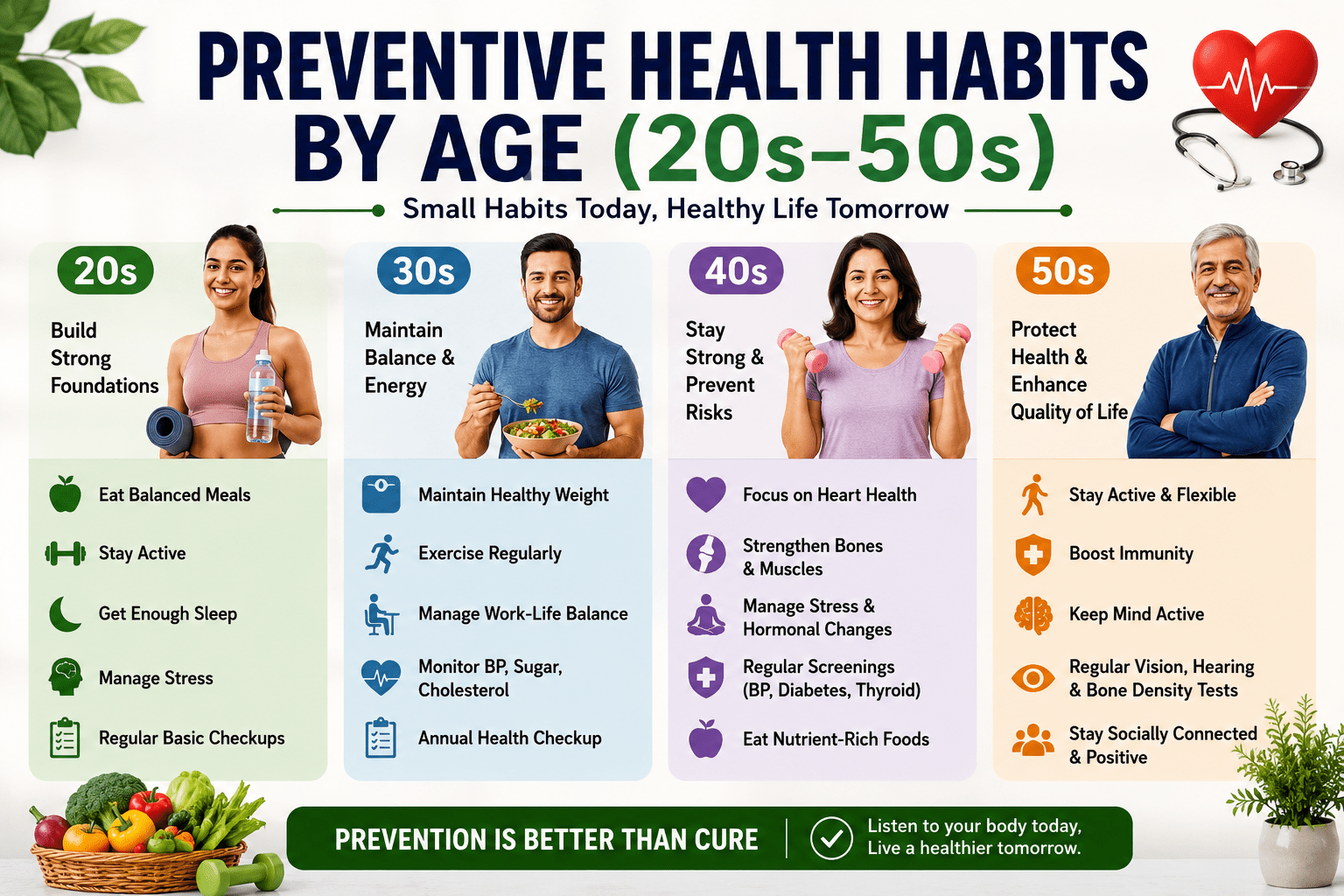
Most people believe preventive health habits are only needed after 40 or 50.
That’s completely wrong.
Preventive health is not about age. It’s about timing.
If you wait for symptoms, you’re already late.
The truth is simple:
Your body starts changing in your 20s, and those small changes decide how healthy (or unhealthy) your 40s and 50s will be.
Preventive Health Habits by adults help you stay healthy, avoid lifestyle diseases, and protect your future before problems start.
This guide will break down preventive health tips for each decade in a clear, practical way—no medical jargon, no confusion. Just habits that actually work.
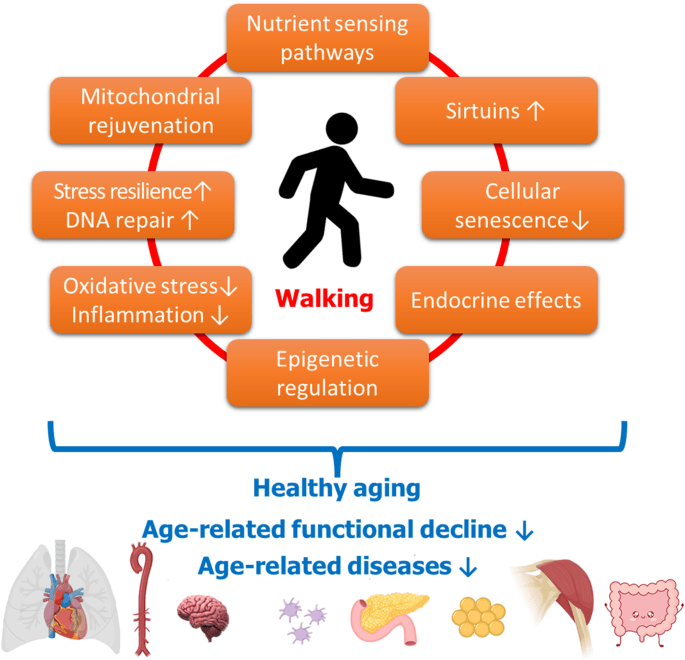
Why Preventive Health by Age Really Matters
Your body at 25 is not the same as your body at 45.
Ignoring that fact is one of the biggest health mistakes adults make.
Health Needs Change With Age
In your 20s, your body can “recover fast.”
In your 30s, stress and lifestyle catch up.
In your 40s, metabolism slows down.
In your 50s, chronic diseases knock louder.
That’s why preventive healthcare by age group is essential. One routine does not fit all.
What Are Preventive Health Habits by Age?
Waiting until illness appears costs more—financially and emotionally.
Preventive lifestyle habits by age help detect problems early, when they’re easier to manage.
Following preventive health habits by age (20s to 50s) is the smartest way to invest in long-term health and quality of life.
Early Habits Decide Long-Term Health
Bad sleep, poor diet, no exercise, and constant stress slowly build problems.
Good habits do the opposite.
When you follow preventive health habits for adults, you:
- Reduce lifestyle diseases
- Improve mental health
- Boost immunity
- Age healthier and slower
This is not about living longer only.
It’s about living better.
What Are Preventive Health Habits?
Preventive health habits are daily and yearly actions that stop diseases before they start.
That’s it. No complicated definition.
Prevention vs Treatment (Big Difference)
- Treatment fixes problems after damage is done
- Prevention protects your body before damage happens
Examples of preventive health habits by age include:
- Eating balanced meals
- Moving your body regularly
- Managing stress early
- Getting health screenings on time
- Sleeping properly
- Avoiding harmful habits
Preventive Health Is a Lifestyle, Not a One-Time Thing
Many people think one medical test means they’re “healthy.”
That’s another myth.
Real age-specific preventive health tips focus on:
- Daily routines
- Weekly movement
- Monthly self-checks
- Annual medical checkups
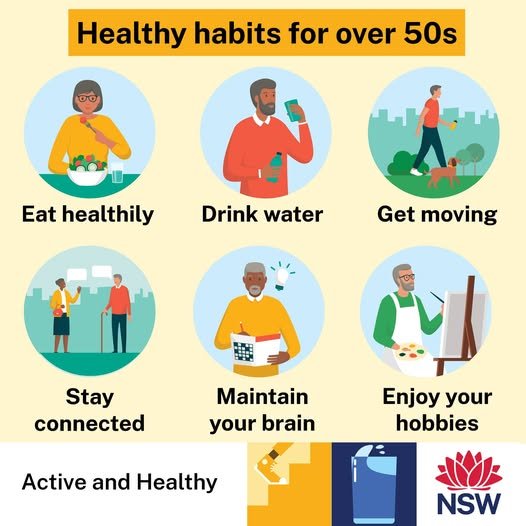
Why Most Adults Ignore Prevention
People skip prevention because:
- “I feel fine”
- “I’m too busy”
- “Tests are expensive”
- “I’ll do it later”
But later often turns into chronic disease.
That’s why preventive health habits by age 20s to 50s are so important. The earlier you start, the less damage you carry forward.
Preventive care is not fear-based.
It’s future-focused.
Preventive Health Habits in Your 20s (Build the Foundation)
Most people think their 20s are “safe years.”
They believe they can eat anything, sleep late, skip exercise, and still be healthy forever.
That’s a big mistake.
Your 20s decide how strong or weak your body will be later.
This is the foundation phase of preventive health habits by age.
3.1 Body Changes & Health Risks in Your 20s
You may feel energetic, but silent changes are already happening:
- Stress starts affecting hormones
- Poor sleep damages immunity
- Junk food slows metabolism
- Mental health issues quietly grow
Many lifestyle diseases start developing in your 20s, even if symptoms appear later. That’s why age-wise preventive health care should begin early.
3.2 Best Preventive Health Habits for Your 20s
These simple habits protect your future health:
Eat smart, not perfect
Focus on whole foods, protein, fruits, and hydration. Crash diets harm more than help.
Move your body daily
You don’t need hardcore workouts. Walking, stretching, and light strength training are enough. This builds a strong base for long-term fitness.
Manage stress early
Mental health by age matters. Learn stress control now to avoid burnout later.
Sleep is non-negotiable
Poor sleep damages hormones and immunity. Healthy sleep habits by age start here.
Avoid harmful habits
Smoking, excess sugar, and alcohol create problems you’ll regret in your 40s.
These are preventive health habits for adults that pay off for decades.
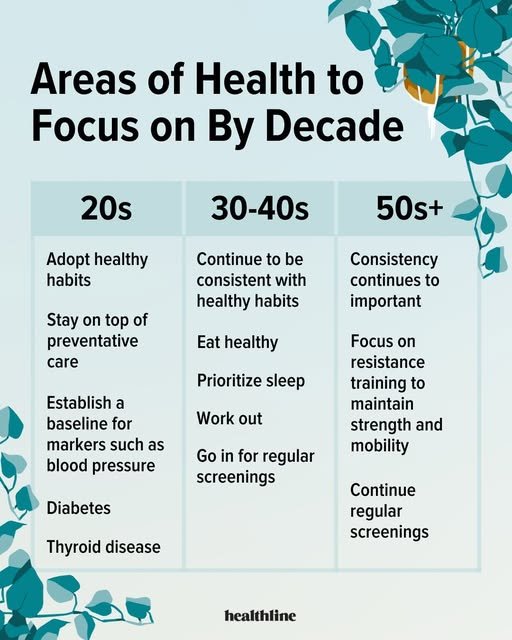
3.3 Health Screenings to Start in Your 20s
Early screening doesn’t mean you’re sick.
It means you’re smart.
Basic preventive checkups include:
- Blood pressure
- BMI and weight trends
- Basic blood tests
- Mental health check-ins
These small steps support early disease prevention and help you track changes over time.
Preventive Health Habits in Your 30s
Many people think, “I’ll fix my health later.”
But your 30s are not later—they’re now or never.
This decade is where bad habits start showing results. That’s why preventive health habits by age become even more important here.
4.1 Common Health Issues in Your 30s
Life gets busy. Health gets ignored.
Common problems include:
- Weight gain
- Hormonal imbalance
- High stress and anxiety
- Poor sleep routines
- Low energy
If ignored, these lead to chronic issues in your 40s. That’s why preventive care for adults matters so much in this stage.
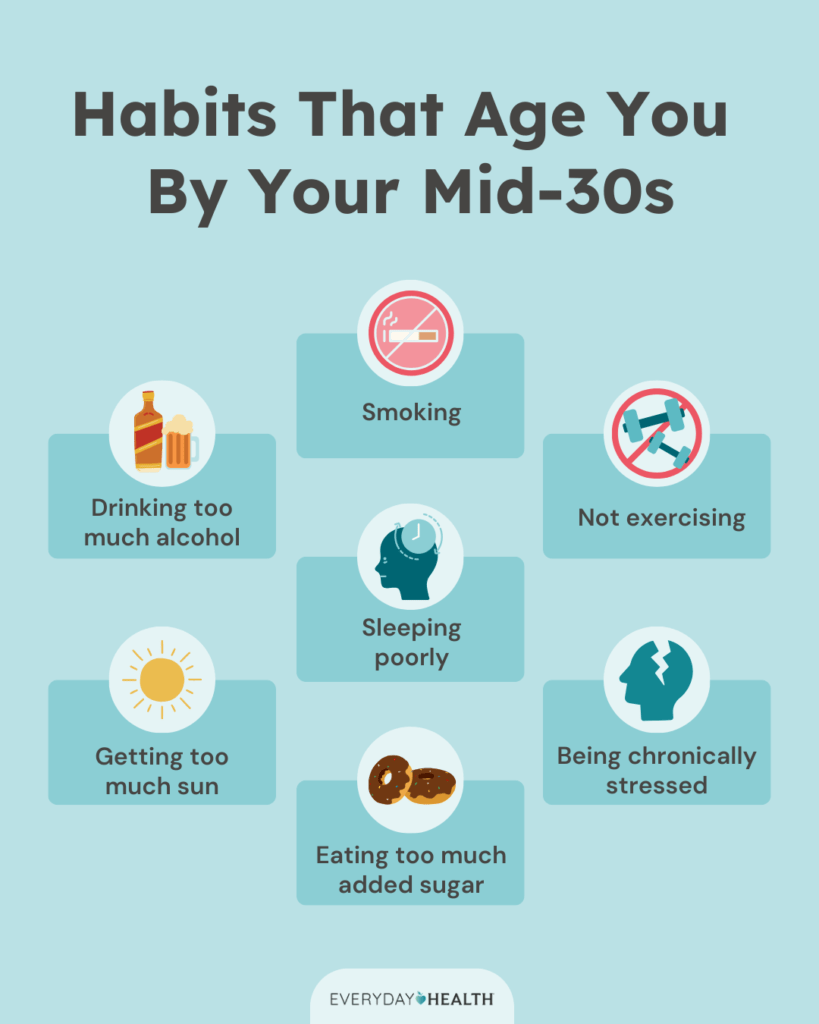
4.2 Smart Preventive Health Tips for Your 30s
This is the damage control phase—fix issues before they become permanent.
Improve your diet, not restrict it
Focus on balanced meals. Diet tips by age matter now more than ever.
Add strength training
Muscle loss begins slowly. Fitness routines by age should include resistance training.
Control stress consciously
Stress management by age is critical in your 30s. Meditation, breaks, and boundaries help.
Protect your sleep
Sleep deprivation increases disease risk. Treat sleep as preventive medicine.
These preventive lifestyle habits by age reduce long-term health risks.
4.3 Important Medical Checkups in Your 30s
Skipping tests in your 30s is risky.
Key screenings include:
- Blood sugar
- Cholesterol
- Thyroid
- Blood pressure
- Mental health assessment
These tests support age-specific preventive health tips and help stop lifestyle diseases early.
What Changes in Your Body in Your 40s
- Slower metabolism and weight gain
- Rising risk of heart disease and diabetes
- Joint pain and low energy
- Hormonal changes (men & women)
Must-Follow Preventive Health Habits in Your 40s
- Heart-healthy diet and daily movement
- Strength + flexibility exercises
- Stress reduction (work + family pressure)
- Focus on sleep quality, not quantity
Major Health Risks After 50
- Chronic diseases become common
- Weak immunity
- Bone and joint problems
- Vision and hearing decline
Best Preventive Health Habits for Long Life
- Gentle but consistent exercise
- Anti-inflammatory and protein-rich diet
- Mental wellness and social connection
- Immunity boosting habits
1. What are preventive health habits by age?
Preventive health habits by age are simple actions you follow in your 20s, 30s, 40s, and 50s to stop diseases before they start. These include healthy eating, regular exercise, stress control, good sleep, and timely health checkups. The habits change as your body changes with age.
2. When should I start preventive health care?
You should start preventive health care in your 20s, not after getting sick. Early habits protect your body and reduce future health risks. The earlier you start, the easier it is to stay healthy long term.
3. Are health screenings really necessary if I feel fine?
Yes, absolutely. Many diseases show no symptoms in the early stage. Health screenings help detect problems early, when they are easier and cheaper to manage. Feeling fine does not always mean being healthy.
4. What are the most important preventive health habits for adults?
The most important preventive health habits for adults include:
- Balanced diet
- Regular physical activity
- Quality sleep
- Stress management
- Annual medical checkups
These habits together help prevent lifestyle diseases and support healthy aging.
5. How can I stay healthy as I age from 20s to 50s?
To stay healthy as you age, follow age-wise preventive health habits. Adjust your diet, exercise, and screenings according to your age. Small daily habits, when done consistently, protect your body and improve your quality of life.