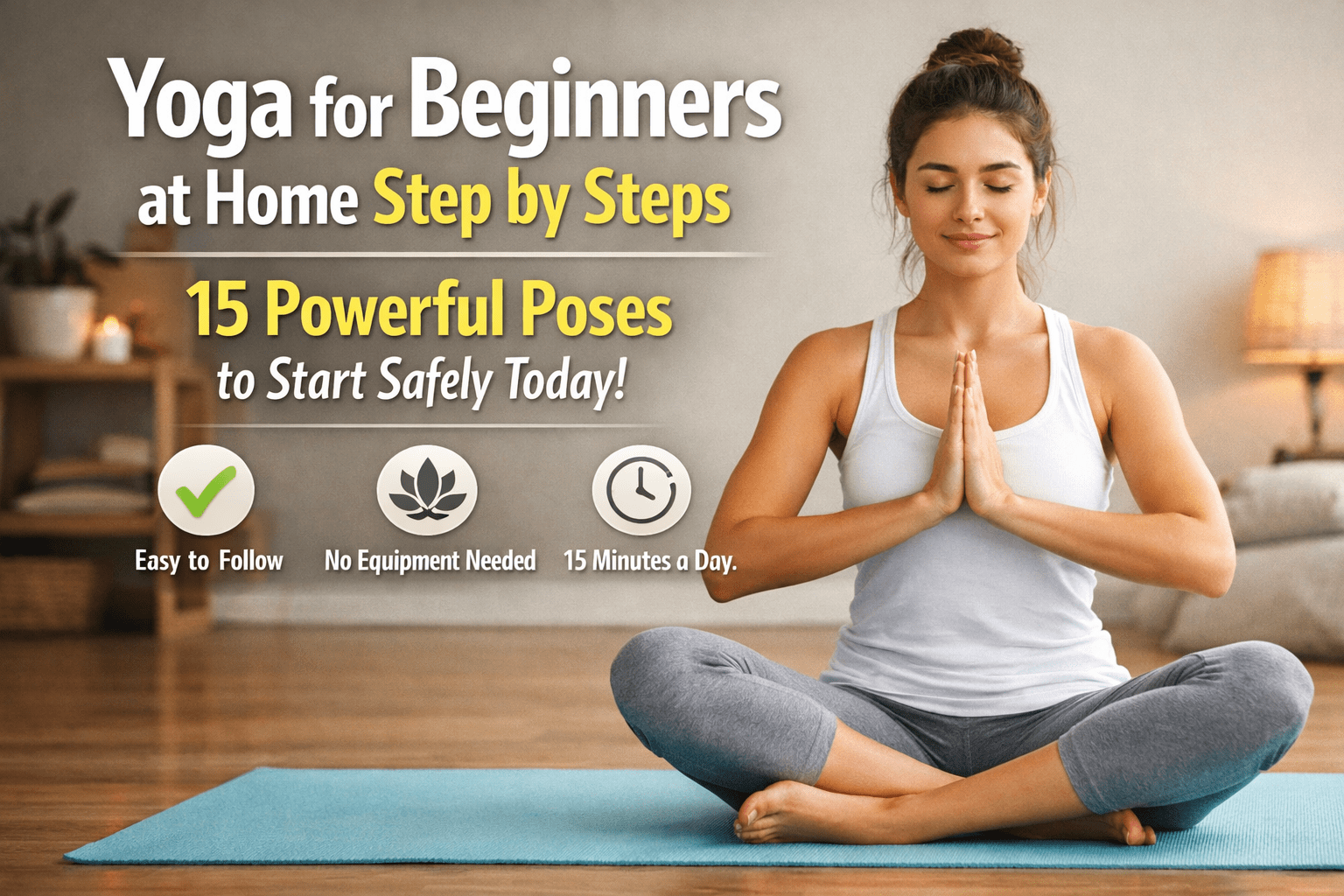
Most people assume yoga demands extreme flexibility, perfect balance, silent rooms, expensive mats, trained instructors, and years of practice before seeing results. That idea scares beginners away before starting.
Now let’s clear this up.
Yoga for beginners at home step by steps is actually one of the simplest and safest ways to start moving your body. You don’t need fancy clothes. You don’t need a trainer standing next to you. You don’t even need previous experience. All you need is a small space, a few minutes, and the right guidance.
Starting yoga at home gives beginners full control. You move at your own pace. You pause when your body asks for rest. You repeat poses as many times as needed. This makes beginner yoga at home less stressful and more effective compared to jumping straight into advanced routines.
Another big reason people love step by step yoga for beginners at home is comfort. Home feels safe. No pressure. No comparison. Just you, your breath, and simple movements that slowly improve flexibility, strength, and mental calm.
What Is Yoga & Why Beginners Should Start at Home
Yoga is not just stretching. It’s a combination of gentle movements, breathing, and body awareness. For beginners, this combination is powerful because it builds strength without pressure and flexibility without pain.
When you follow yoga for beginners at home step by steps, your body learns gradually. Muscles wake up slowly. Joints move safely. Breathing becomes deeper. This is why many experts recommend beginner yoga routine at home instead of intense workouts.
Why Home Is the Best Place for Beginners
Let’s be real. Walking into a yoga studio as a beginner can feel uncomfortable. At home, that fear disappears.
Here’s why yoga at home step by step works better for beginners:
- You control the speed
- You choose the time
- You repeat poses freely
- You stop when needed
This makes yoga for beginners without equipment very practical. A yoga mat helps, but even that isn’t mandatory in the beginning.
Physical Benefits for Beginners
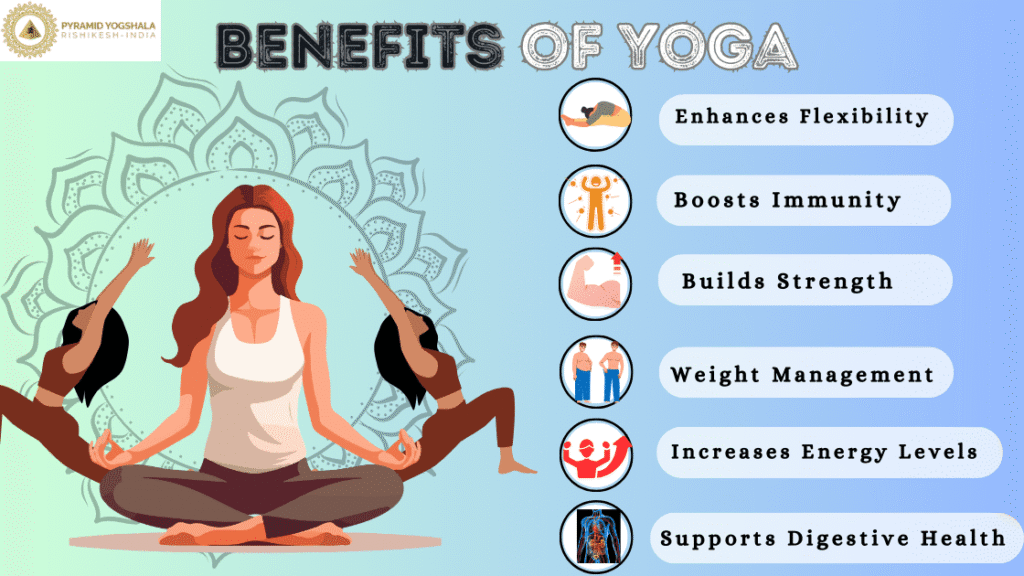
A consistent daily yoga routine for beginners helps improve:
- Flexibility without strain
- Core strength
- Better posture
- Joint mobility
- Muscle balance
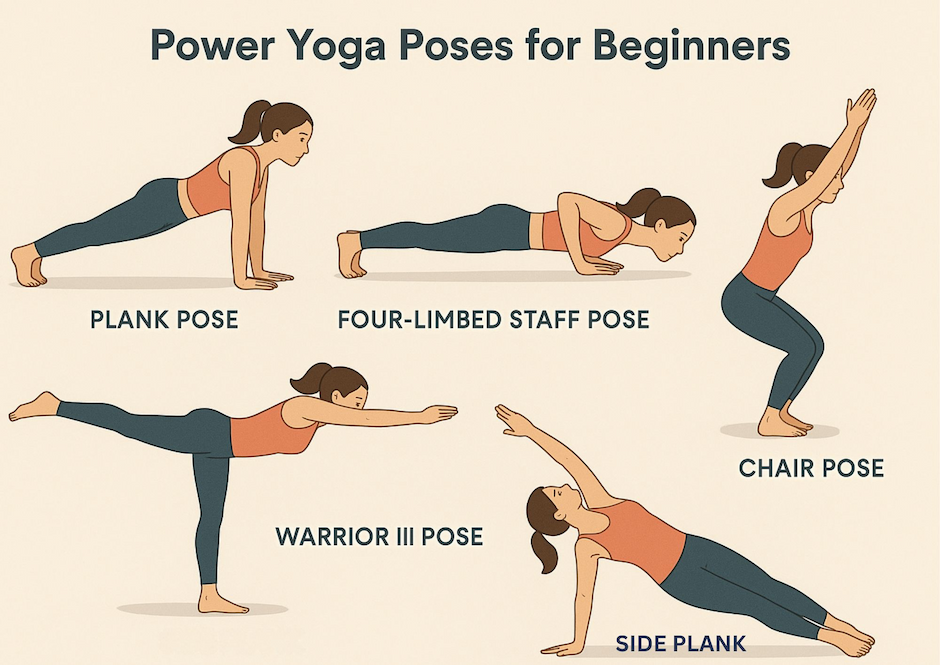
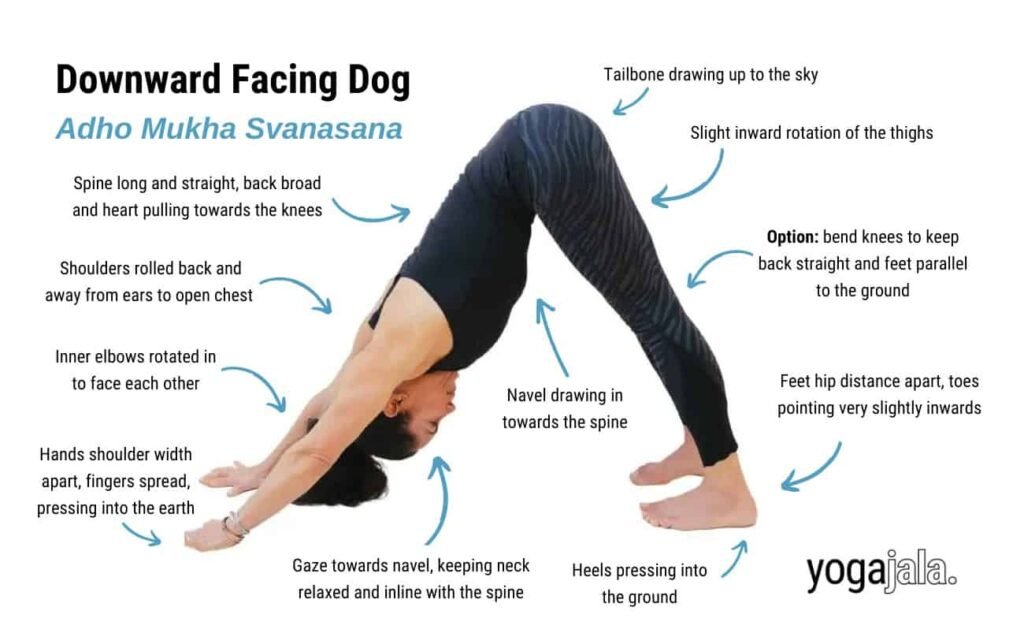
Simple poses done correctly are more effective than advanced poses done wrongly. That’s why yoga poses step by step matter so much in the early phase.
Mental & Emotional Benefits
Yoga isn’t only about the body. Beginners often notice mental changes first.
With regular practice:
- Stress levels drop
- Focus improves
- Sleep quality gets better
- Anxiety feels more manageable
Slow breathing and mindful movement are key parts of yoga for stress relief beginners, especially when practiced at home in a quiet environment.
Who Can Start Yoga at Home?
Honestly? Almost everyone.
- Beginners with zero experience
- People with busy schedules
- Those looking for gentle exercise
- Anyone wanting a calm daily habit
A beginner friendly yoga routine at home adapts to your body, not the other way around.
Things Beginners Must Know Before Starting Yoga at Home
Many people think yoga for beginners at home step by steps is so easy that no preparation is needed at all. Just roll out a mat and copy random poses. That belief often leads to discomfort, stiffness, or quitting too early.
Starting smart makes all the difference.
Choose the Right Time for Practice
Beginners don’t need long sessions. What matters is consistency.
Early morning works best for many people because the body feels lighter and the mind stays calm. Evening yoga is also fine if mornings feel rushed. Pick a time you can follow daily. A short beginner yoga routine at home done regularly beats long sessions done once a week.
Create a Comfortable Space at Home
You don’t need a big room. A small, quiet corner is enough.
Make sure the floor is flat and safe. Wear loose clothes so movements feel natural. This setup helps yoga at home step by step feel relaxed instead of forced.
Warm-Up Is Not Optional
Skipping warm-up is one of the biggest beginner mistakes.
Gentle neck rolls, shoulder movements, and slow stretches prepare joints and muscles. A proper warm-up reduces injury risk and improves flexibility. This step is essential in yoga exercises step by step for beginners.
Breathing Comes First
Many beginners hold their breath without noticing.
Slow, deep breathing supports every pose. Inhale through the nose. Exhale calmly. Controlled breathing helps balance the body and relax the mind, especially in yoga breathing for beginners.
Listen to Your Body Signals
Pain is not progress.
If a movement feels sharp or uncomfortable, stop. Yoga grows strength gradually. Respecting limits makes beginner yoga practice safe and sustainable.
Yoga for Beginners at Home Step by Steps – How to Start Correctly
Some people believe beginners must learn complex poses to see results. That’s not true. Simple movements done with correct steps deliver better outcomes.
This section breaks down step by step yoga for beginners at home in the easiest way possible.
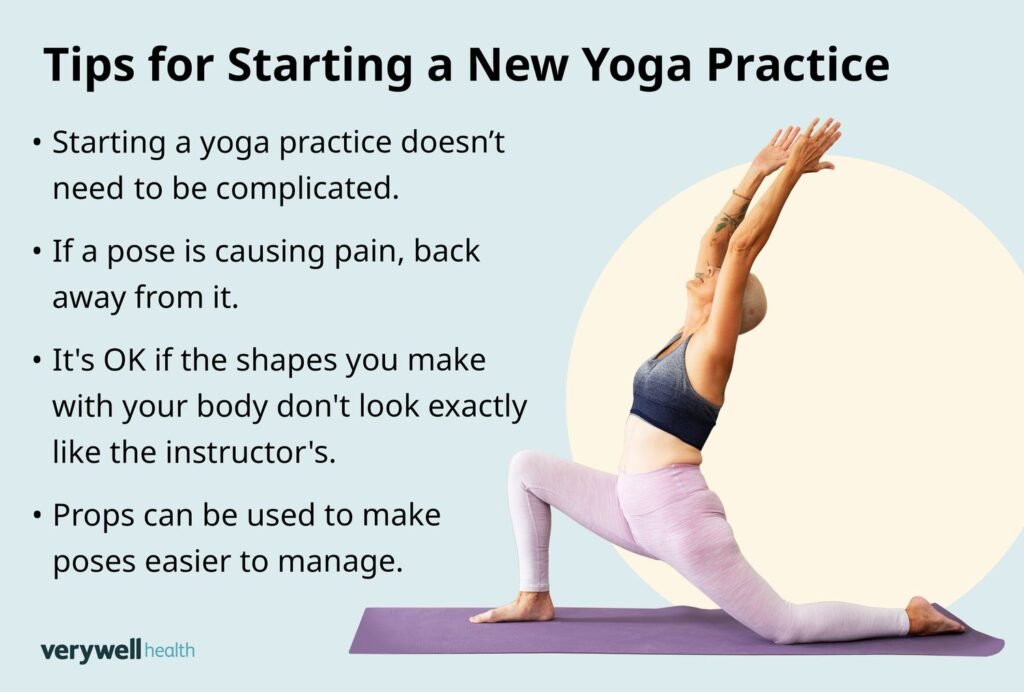
Step 1: Start with Simple Standing Poses
Standing poses build balance and confidence.
Begin with easy postures that improve posture and strengthen legs. These movements prepare the body for deeper stretches later. Easy yoga poses for beginners should always come first.
Step 2: Move into Gentle Stretching Poses
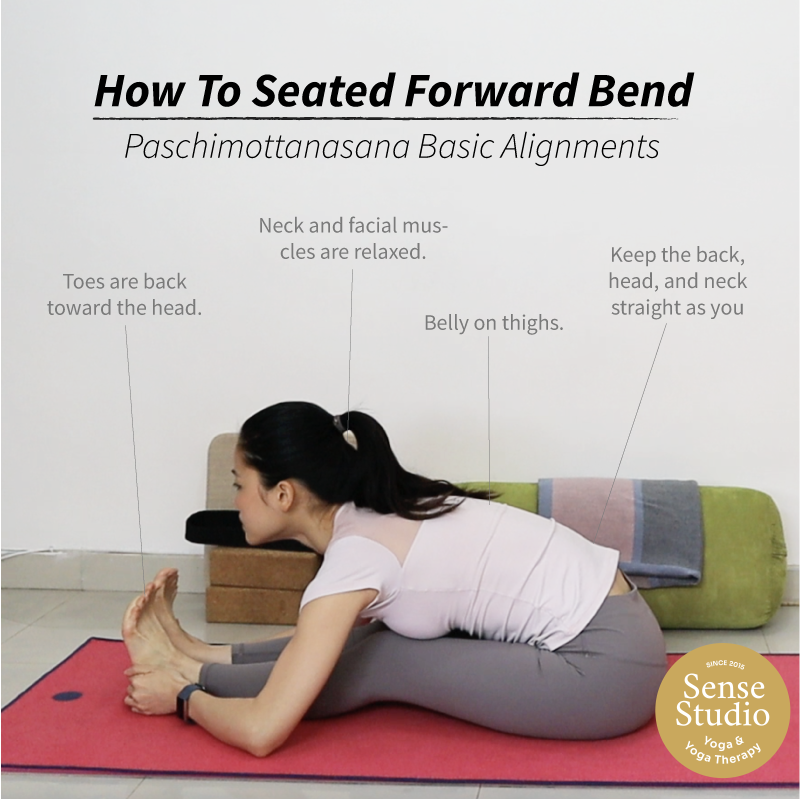
After standing work, stretching helps release tight muscles.
Slow forward bends and seated stretches improve flexibility without pressure. These poses are key in yoga stretches for beginners and support long-term mobility.
Step 3: Add Basic Floor Poses
Floor poses allow the body to relax while strengthening the core.
Simple lying-down postures improve spinal health and calm the nervous system. These movements are ideal for a beginner yoga routine at home because they feel safe and controlled.
Step 4: Focus on Smooth Transitions
Jumping between poses is not required.
Move slowly from one posture to another. Smooth transitions improve coordination and reduce strain. This approach suits yoga poses step by step for beginners perfectly.
Step 5: End with Relaxation
Never skip the final relaxation.
A few minutes of stillness allows the body to absorb benefits. This step improves recovery and mental peace, especially in yoga for stress relief beginners.
1. Can beginners really do yoga at home without a trainer?
Yes, absolutely. Beginners can safely start yoga at home by following step-by-step instructions and simple poses. The key is to move slowly, listen to your body, and avoid forcing any posture.
2. How long should beginners practice yoga daily at home?
For beginners, 15 to 30 minutes is more than enough. Short daily sessions work better than long, irregular workouts. Consistency matters more than duration.
3. Do I need any equipment to start yoga at home?
No equipment is required. A yoga mat helps with comfort and grip, but beginners can even start on a clean floor or carpet. Yoga for beginners at home works without tools.
4. What is the best time to do yoga for beginners at home?
Morning is ideal because the body feels fresh and the mind stays calm. But if mornings don’t work, evening yoga is also fine. Choose a time you can follow daily.
5. Is yoga safe for beginners with no flexibility?
Yes. Yoga improves flexibility over time. You don’t need to be flexible to start. Beginner yoga poses are designed to slowly open tight muscles without pain.