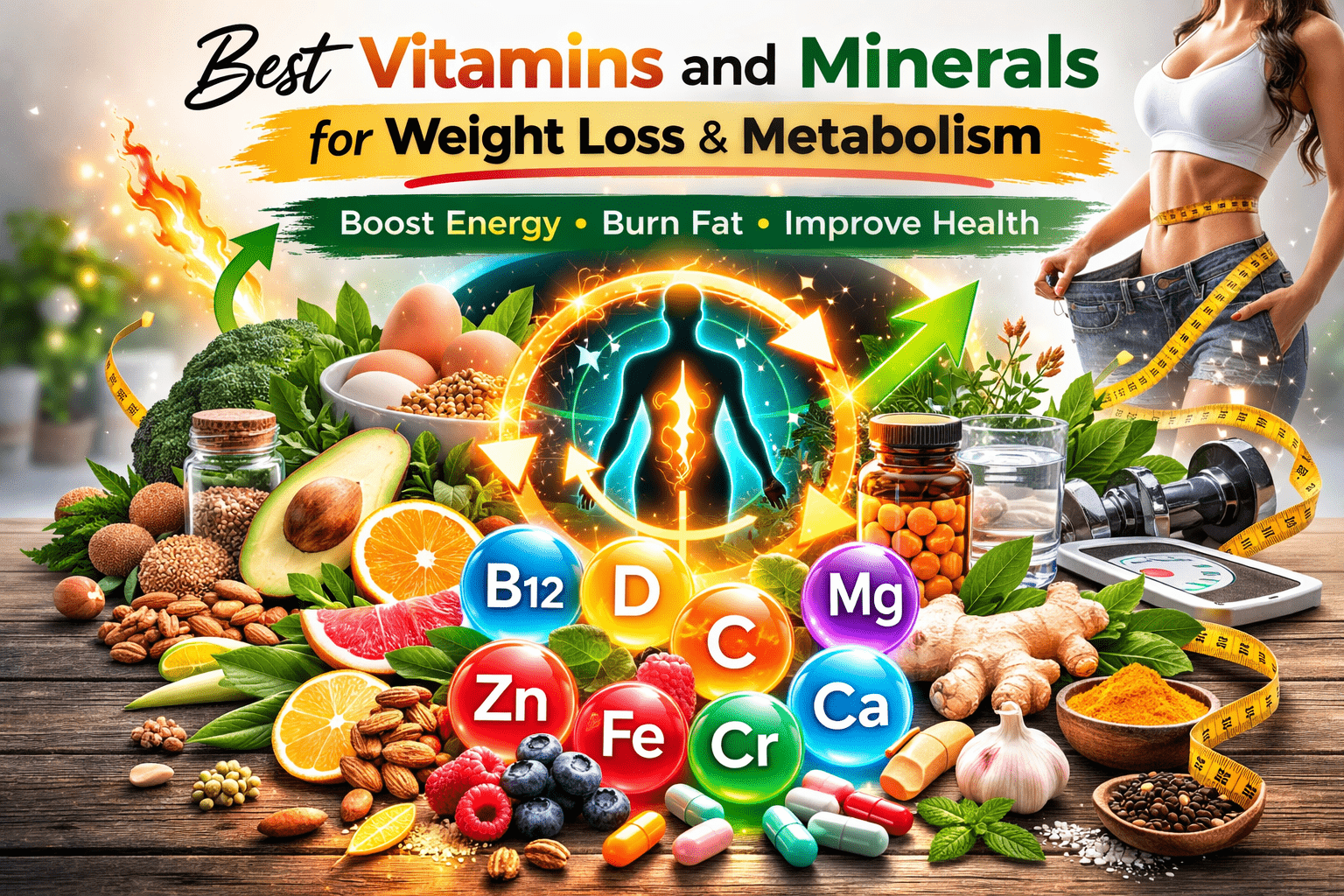
Most people believe that weight loss is only about eating less and exercising more. They think vitamins and minerals don’t really matter when it comes to fat loss. That’s one of the biggest myths out there—and honestly, it’s the reason many people struggle despite doing “everything right.”
Here’s the truth:
If your body is low on the right vitamins and minerals, your metabolism slows down. Fat burning becomes harder. Energy drops. Cravings increase. And weight loss feels impossible.
This is exactly why understanding the best vitamins and minerals for weight loss and metabolism is so important.
Your body doesn’t burn fat magically. It needs nutrients to:
- Convert food into energy
- Support metabolic rate
- Balance hormones
- Break down stored fat
Without proper micronutrients for metabolism, your body goes into survival mode. It holds onto fat instead of burning it. That’s why two people can eat the same diet and exercise the same way—but get totally different results.
Vitamins and minerals act like helpers behind the scenes. You may not see them working, but they decide how efficiently your body burns calories, manages blood sugar, and controls appetite.
When your body gets the right nutrients:
- Your metabolism works better
- Fat loss becomes easier
- Energy levels improve
- Workouts feel less exhausting
This is not about quick fixes or fake weight loss supplements. It’s about giving your body what it actually needs to function properly.
That’s why this guide focuses on vitamins and minerals that boost metabolism, support fat burning, and help you lose weight in a healthy, sustainable way.
How Vitamins and Minerals Actually Help You Lose Weight
Vitamins and minerals don’t directly “melt fat.” But they create the perfect internal environment for weight loss. When your body works efficiently, fat loss happens naturally.
Let’s break it down simply.
2.1 Boosting Your Metabolic Rate
Your metabolism is the process where your body turns food into energy. If this process is slow, weight loss becomes slow too.
Certain metabolism boosting vitamins and minerals help enzymes do their job better. These enzymes are responsible for:
- Breaking down carbs, fats, and proteins
- Producing energy
- Supporting metabolic rate
When you’re deficient in key nutrients:
- Calories burn slower
- Energy production drops
- Fat gets stored instead of used
This is why people with nutrient deficiencies often complain about a slow metabolism and weight gain.
Getting the right vitamins for energy and metabolism helps your body burn calories more efficiently throughout the day—even when you’re resting.
2.2 Supporting Fat Burning and Fat Oxidation
Fat loss isn’t just about eating fewer calories. Your body must be able to access and break down stored fat.
Some vitamins support a process called fat oxidation. This means your body can:
- Release fat from storage
- Convert fat into usable energy
- Burn fat during activity and rest
Certain minerals also play a role in fat metabolism by supporting hormone balance and insulin sensitivity. When insulin works properly, your body is less likely to store excess fat.
This is why vitamins for fat burning and minerals that help burn fat are so important for long-term results.
2.3 Controlling Appetite and Cravings
Ever feel hungry all the time even when you eat enough? That’s often a nutrient issue, not a willpower problem.
Some weight loss micronutrients help regulate:
- Hunger hormones
- Blood sugar levels
- Cravings for sugar and junk food
When blood sugar crashes, cravings hit hard. Certain minerals help stabilize blood sugar, making it easier to control portions and avoid overeating.
This is why vitamins for appetite control and minerals for insulin sensitivity play a huge role in healthy weight loss.
2.4 Improving Energy and Consistency
Low energy kills consistency. And consistency is everything in weight loss.
When your body lacks essential nutrients:
- You feel tired
- Workouts feel harder
- Motivation drops
The best nutrients for healthy weight loss help improve energy production at the cellular level. That means more movement, better workouts, and fewer skipped days.
More energy = more activity = better fat loss results.
Why This Matters Before Choosing Supplements
Before jumping into supplements, it’s important to understand why your body needs these nutrients. Vitamins and minerals are not shortcuts—but they are powerful tools when used correctly.
That’s why focusing on vitamins and minerals that boost metabolism is one of the smartest ways to support sustainable weight loss.
Best Vitamins for Weight Loss and Metabolism
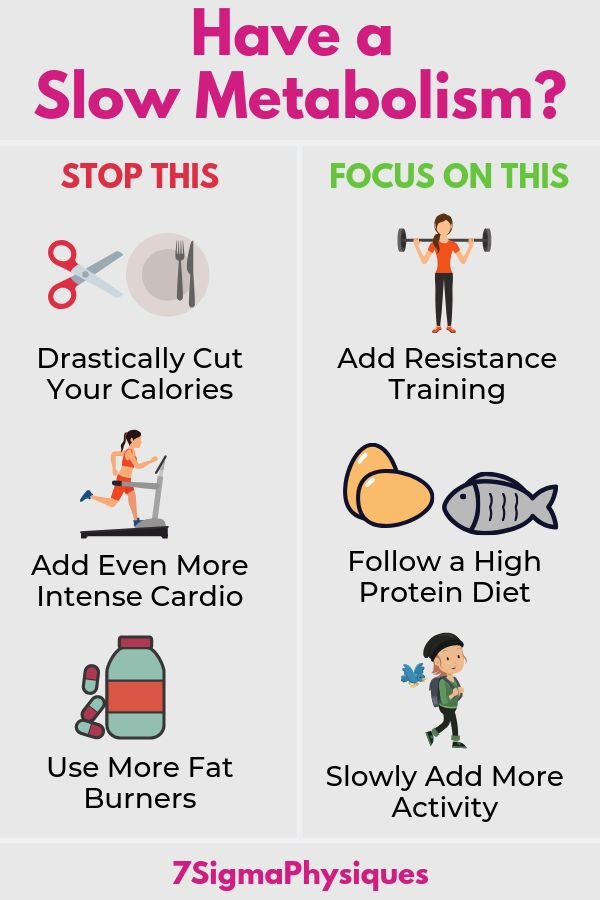
Many people believe that vitamins alone can cause instant weight loss. They think popping a pill will magically burn fat overnight. That belief is wrong—and dangerous. Vitamins don’t work like fat burners. But when your body lacks the right ones, weight loss becomes much harder than it needs to be.
The goal is not magic. The goal is support.
The best vitamins for weight loss and metabolism help your body do what it’s already designed to do:
burn calories, manage energy, and use fat as fuel.
Let’s break down the vitamins that actually matter.
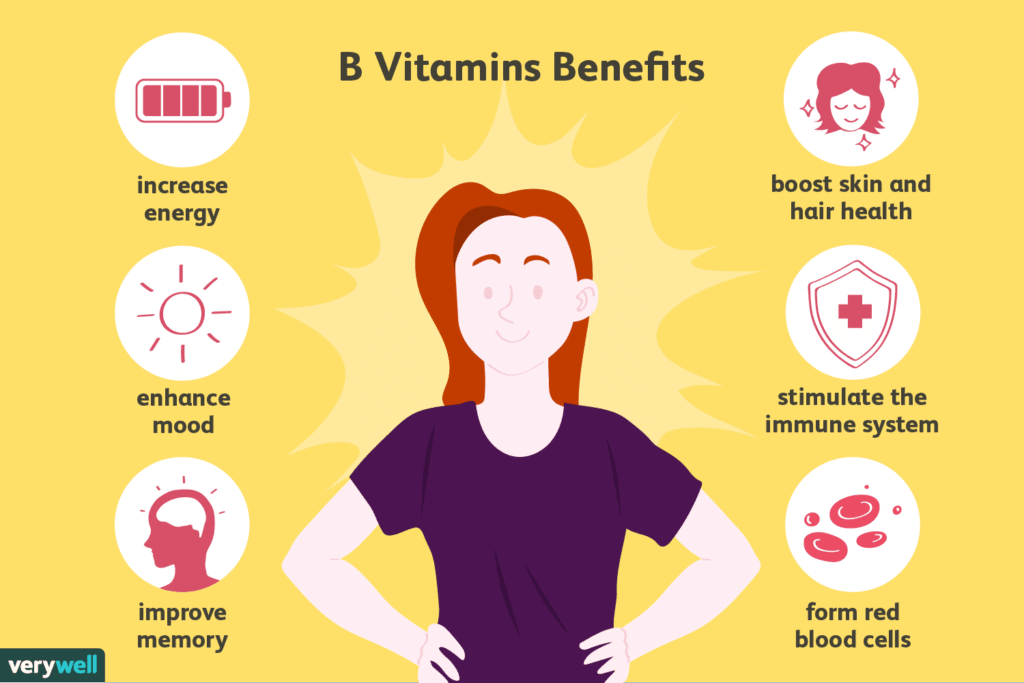
3.1 Vitamin B-Complex – The Metabolism Engine
If there’s one group of vitamins that directly supports metabolism, it’s the B-complex vitamins.
These vitamins help your body:
- Convert carbs, fats, and protein into energy
- Support metabolic rate
- Reduce fatigue
When B vitamins are low, your metabolism slows down. This is why people with deficiencies often struggle with slow metabolism and weight gain.
Key benefits:
- Supports energy production
- Helps burn calories efficiently
- Improves workout performance
This is why B-complex is often called the foundation of metabolism boosting vitamins.
3.2 Vitamin D – Fat Loss and Hormone Support
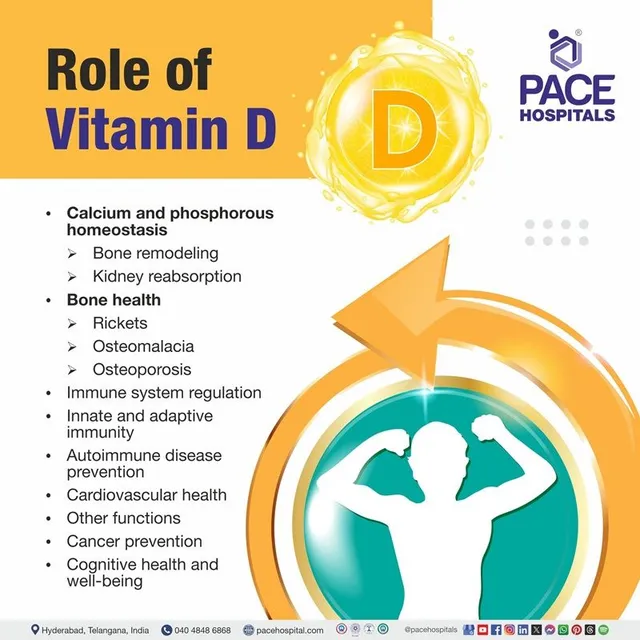
Vitamin D is often ignored, but it plays a big role in weight management and fat storage.
Low vitamin D levels are linked with:
- Increased belly fat
- Poor insulin sensitivity
- Slower fat burning
Vitamin D supports hormones that control appetite and fat storage. When levels are balanced, the body is less likely to store excess fat.
This makes vitamin D one of the most important vitamins and minerals for fat loss and energy, especially for people struggling with stubborn weight.
3.3 Vitamin C – Supporting Fat Oxidation
Vitamin C does more than boost immunity. It helps your body break down stored fat during activity.
People with adequate vitamin C levels tend to:
- Burn more fat during exercise
- Recover better after workouts
- Feel less fatigue
Vitamin C supports fat oxidation, meaning your body becomes better at using fat as fuel. That’s why it’s often included in vitamins for fat burning discussions.
3.4 Vitamin E – Hormonal Balance and Recovery
Weight loss is deeply connected to hormones. Vitamin E supports hormonal balance and reduces oxidative stress in the body.
Benefits include:
- Better recovery after exercise
- Support for metabolic health
- Reduced inflammation
When inflammation is high, fat loss slows down. Vitamin E helps create a healthier internal environment, making weight loss smoother and more sustainable.
3.5 Vitamin A – Thyroid and Metabolic Function
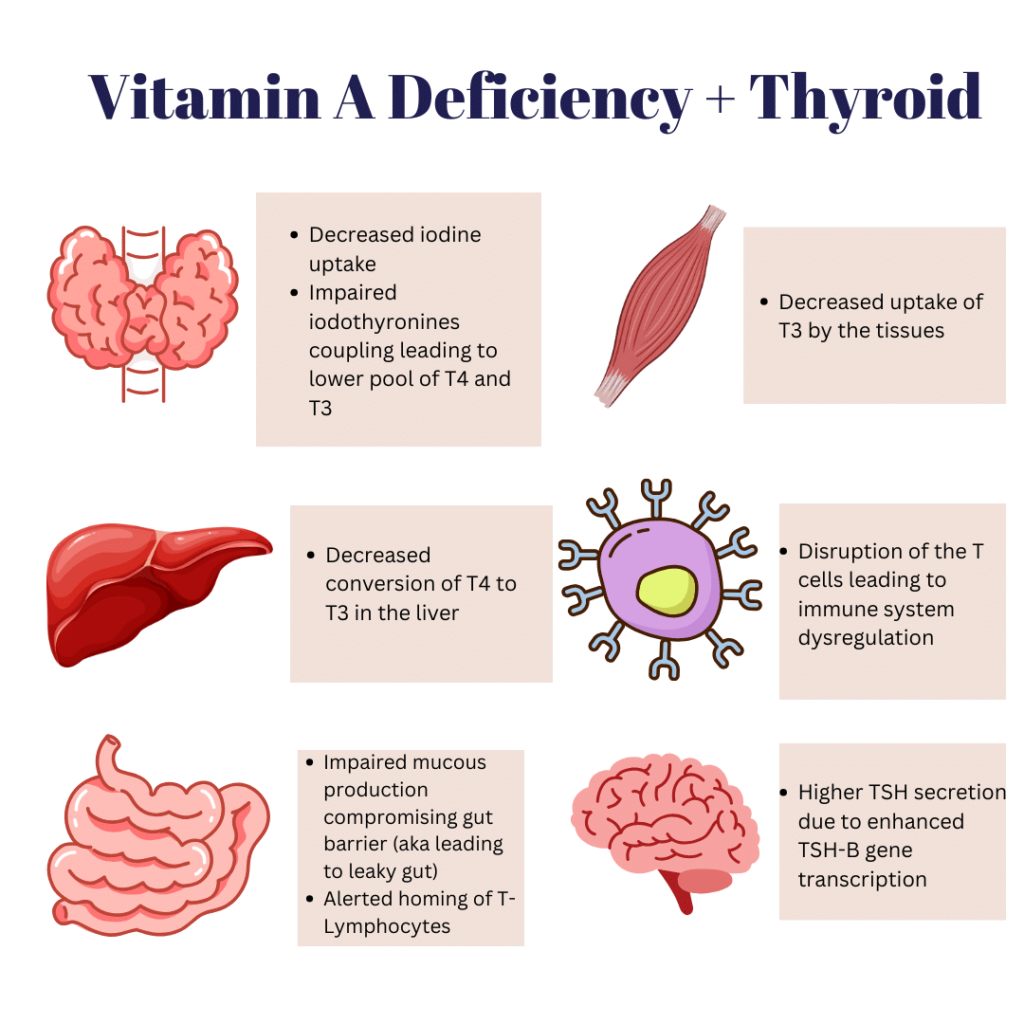
Vitamin A supports the thyroid gland, which plays a huge role in metabolism.
If thyroid function is off:
- Metabolism slows
- Energy drops
- Weight gain becomes easier
Vitamin A helps regulate metabolic processes and supports healthy calorie burning. This makes it one of the often-overlooked vitamins to improve metabolism.
Why Vitamins Alone Are Not Enough
Vitamins support fat loss—but they don’t work in isolation. They work best when paired with the right minerals, which is where many people miss the full picture.
Best Minerals for Weight Loss and Metabolism
A common belief is that minerals don’t matter much for weight loss. People focus on protein, calories, and supplements—but ignore minerals completely. That’s a mistake.
Minerals are essential for:
- Enzyme function
- Hormone balance
- Blood sugar control
- Energy production
Without the right minerals, even the best vitamins won’t work properly.
Here are the most important minerals for weight loss and metabolism.
4.1 Magnesium – The Metabolic Regulator
Magnesium is involved in hundreds of metabolic reactions in the body.
It helps with:
- Energy production
- Muscle function
- Blood sugar control
Low magnesium levels are linked with insulin resistance and weight gain. This mineral helps your body use glucose efficiently, reducing fat storage.
That’s why magnesium is one of the top minerals for metabolic health and sustainable fat loss.
4.2 Zinc – Fat Burning and Hormone Balance
Zinc plays a big role in hormone production, including hormones related to appetite and metabolism.
Benefits include:
- Better insulin sensitivity
- Improved fat metabolism
- Reduced cravings
Zinc deficiency can slow metabolism and increase hunger. That’s why zinc is considered one of the most effective minerals that aid fat breakdown.
4.3 Iron – Oxygen, Energy, and Fat Loss
Iron helps transport oxygen to your muscles and cells. Without enough oxygen, your body can’t burn fat efficiently.
Low iron can cause:
- Fatigue
- Poor workout performance
- Slower calorie burning
Adequate iron supports energy levels and helps the body burn more calories, making it a key mineral for people struggling with low energy during weight loss.
4.4 Calcium – Fat Storage Control
Calcium does more than support bones. It also plays a role in how the body stores fat.
Research suggests calcium may:
- Reduce fat absorption
- Support fat breakdown
- Help control appetite
This makes calcium one of the most underrated minerals that help with weight loss, especially when combined with a balanced diet.
4.5 Chromium – Blood Sugar and Appetite Control
Chromium helps regulate blood sugar levels and improves insulin function.
Stable blood sugar means:
- Fewer cravings
- Better appetite control
- Reduced fat storage
This mineral is especially useful for people who struggle with sugar cravings and emotional eating. That’s why chromium is often included in weight loss micronutrients.
Why Minerals Complete the Weight Loss Puzzle
Vitamins start the process. Minerals make it work.
When both are balanced:
- Metabolism improves
- Energy increases
- Fat loss becomes more efficient
This combination is what truly defines the best vitamins and minerals for weight loss and metabolism.
Best Vitamins and Minerals for Weight Loss and Metabolism
5.1 Why a Quick Comparison Helps
- Readers want fast answers
- Improves time-on-page and UX
- Ideal for featured snippets
5.2 Comparison Table Structure
Include:
- Vitamin / Mineral name
- Main role in metabolism
- Weight loss benefit
- Who benefits most
Keywords to use naturally:
- best vitamins and minerals for weight loss and metabolism
- metabolism boosting nutrients
- weight loss micronutrients
Food Sources vs Supplements – What’s Better for Weight Loss?
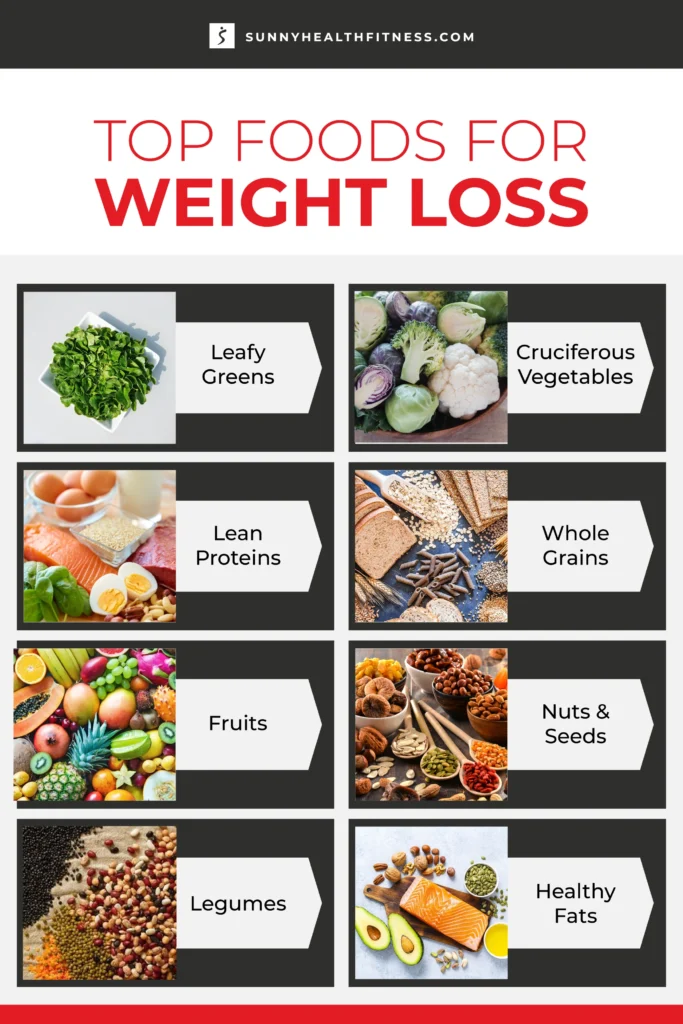
6.1 Getting Vitamins and Minerals from Food
- Whole foods vs pills
- Natural nutrients for metabolism
- Benefits of food-based nutrition
Keywords:
- nutrients for weight loss
- natural metabolism boosters
- best nutrients for healthy weight loss
6.2 When Supplements Actually Make Sense
- Busy lifestyle
- Deficiencies
- Poor absorption
Keywords:
- best supplements for weight loss and metabolism
- supplements to boost metabolism naturally
6.3 Common Supplement Mistakes to Avoid
- Overdosing
- Mixing too many supplements
- Expecting instant fat loss
1. Do vitamins and minerals really help with weight loss?
Yes, they do—but not in a magic way. Vitamins and minerals support your metabolism, energy levels, hormone balance, and fat burning process. When your body works better, weight loss becomes easier and more natural.
2. What are the best vitamins and minerals for weight loss and metabolism?
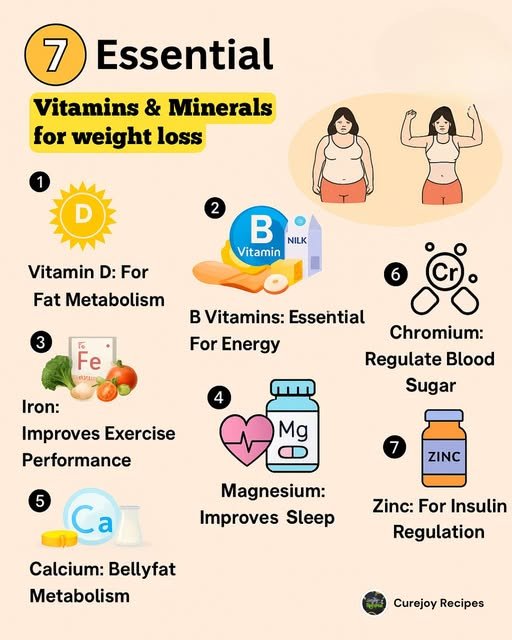
Some of the most effective ones include B-complex vitamins, vitamin D, vitamin C, magnesium, zinc, iron, calcium, and chromium. Together, they help boost metabolism, improve energy, and support fat loss.
3. Can I lose weight without taking vitamins or minerals?
You can, but it may be harder. If your body lacks essential nutrients, metabolism slows down and fat loss becomes less efficient. Proper nutrition makes weight loss smoother and more sustainable.