Many people believe that one “magic vitamin” can instantly fix fatigue and strengthen immunity. That’s not true. The human body doesn’t rely on a single nutrient to stay energized or healthy. Instead, it needs a combination of vitamins and minerals that work together to support energy production and immune defense. If you want real results, you need to focus on the best vitamins for energy and immune system support, not just one supplement.
3.1 Vitamin C – The Ultimate Immune Booster
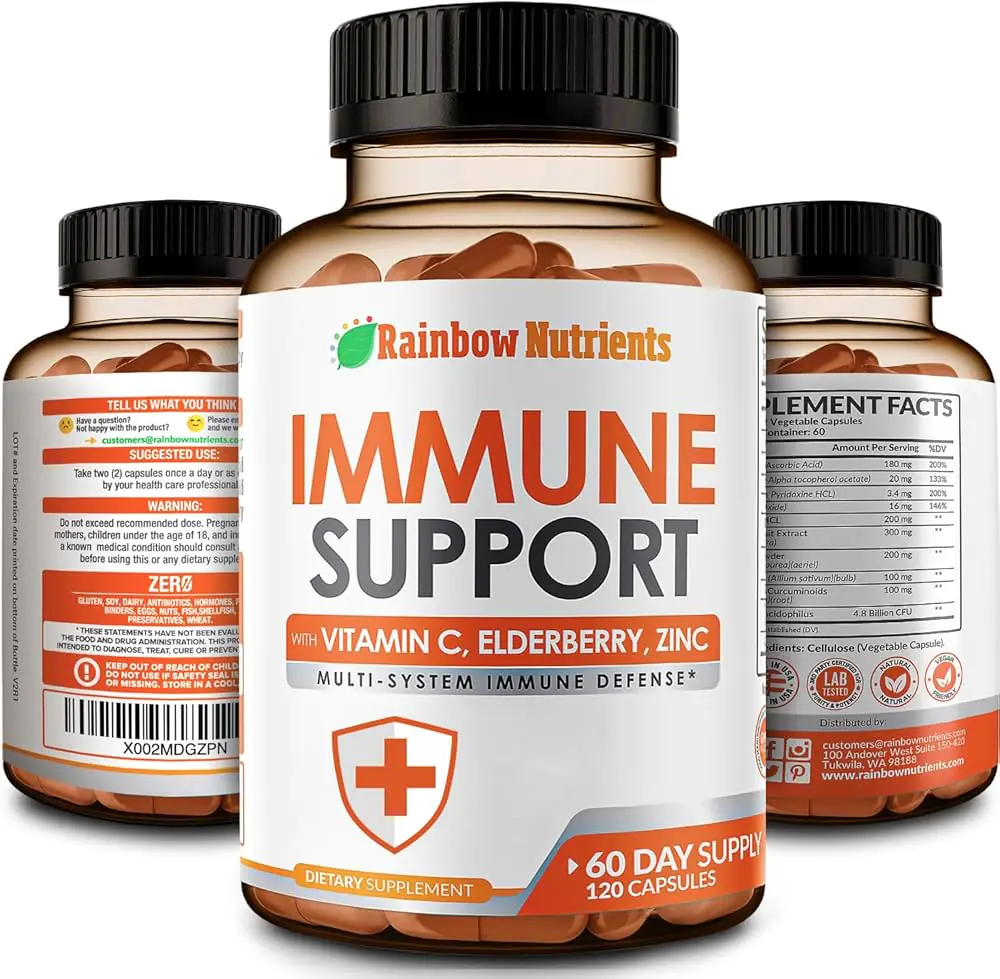
Vitamin C is often the first nutrient people think of when it comes to immune health. And for good reason. It plays a major role in supporting the body’s natural defense system.
This vitamin helps stimulate the production of white blood cells. These cells act as your body’s front-line defense against viruses and bacteria. Vitamin C also acts as a powerful antioxidant that protects immune cells from damage caused by free radicals.
Another benefit of vitamin C is that it helps reduce fatigue and supports overall wellness. That’s why it’s considered one of the most important immune system booster vitamins.
Good food sources include:
- Oranges
- Strawberries
- Kiwi
- Bell peppers
- Broccoli
Adding vitamin C-rich foods to your diet can naturally improve immune system support and energy levels.

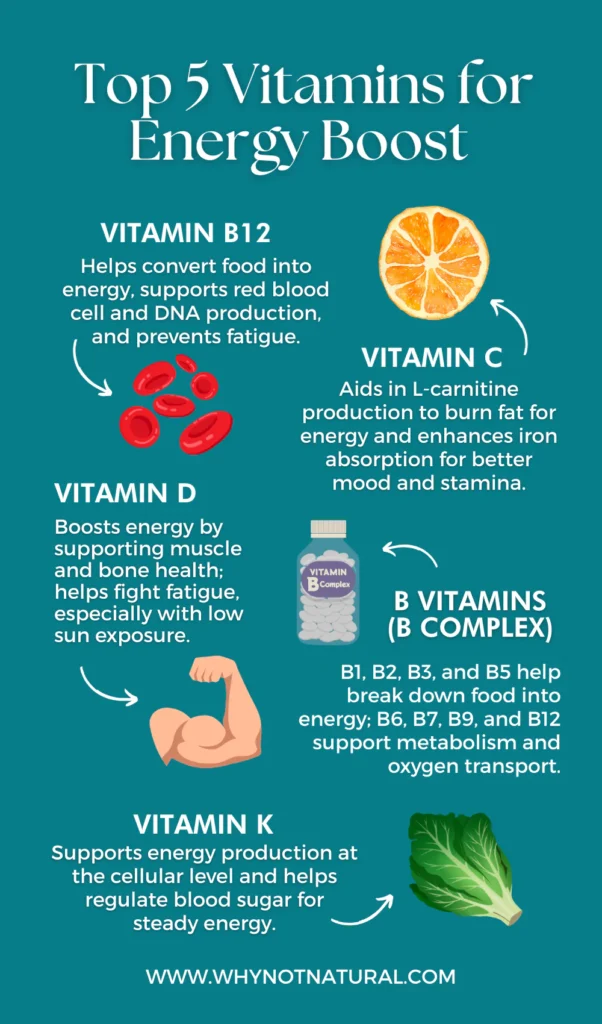
3.2 Vitamin B12 – The Energy Powerhouse
If you often feel tired or mentally drained, vitamin B12 might be the nutrient your body is missing.
Vitamin B12 helps the body produce red blood cells and supports the nervous system. These red blood cells carry oxygen throughout the body, which helps improve stamina and reduce tiredness.
People who are low in B12 often experience:
- Fatigue
- Brain fog
- Weakness
- Low energy levels
Because of its role in energy production, B12 is one of the most effective vitamins that increase energy levels.
You can find vitamin B12 in foods like:
- Eggs
- Fish
- Dairy products
- Lean meat
For people with low intake, B12 supplements are sometimes recommended as natural energy vitamins.
3.3 Vitamin D – Essential for Immune Defense
Vitamin D is sometimes called the “sunshine vitamin” because the body produces it when skin is exposed to sunlight. But many people still have low levels.
Vitamin D plays a key role in regulating immune responses and helping the body fight infections. Studies show that people with low vitamin D levels may experience weaker immune defense.
This vitamin also supports muscle strength and overall health, making it an important nutrient for both energy and immune system health.
Good sources include:
- Sunlight exposure
- Fatty fish
- Egg yolks
- Fortified dairy products
Because vitamin D supports immune cells, it’s often included in supplements for immune system support.
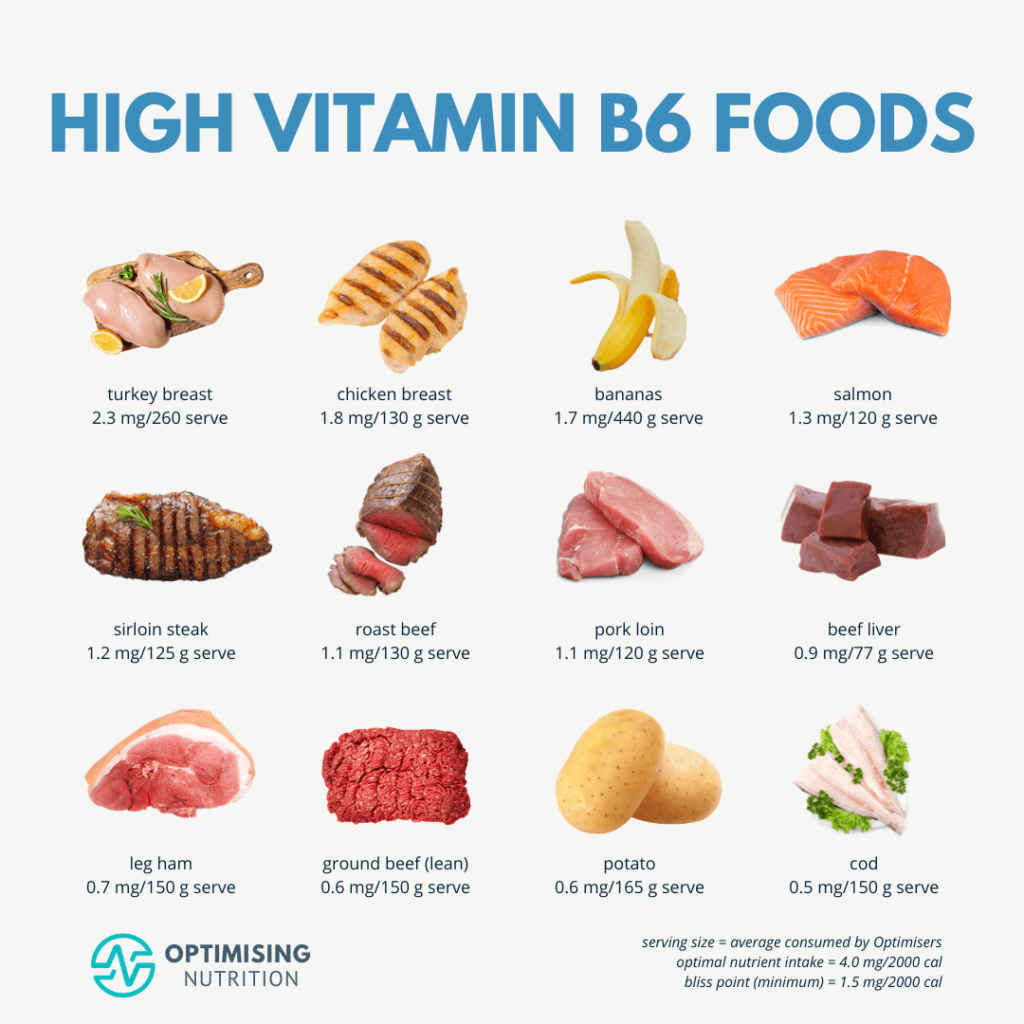
3.4 Vitamin B6 – Important for Energy and Immunity
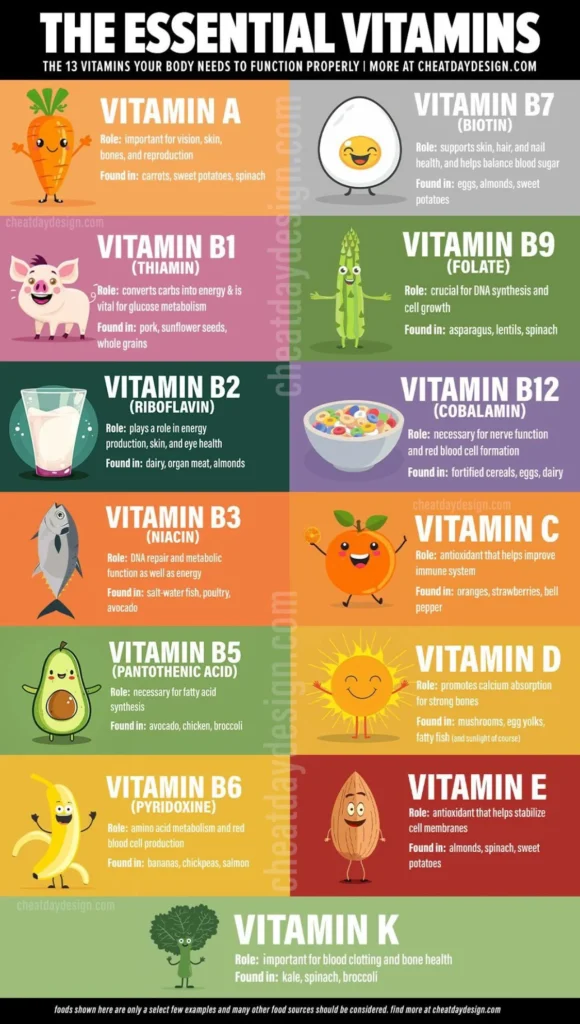
Vitamin B6 is another essential nutrient that helps your body convert food into usable energy.
It supports the production of neurotransmitters that help regulate mood and brain function. At the same time, it plays a role in producing immune cells that protect the body from infections.
This dual role makes B6 one of the most useful vitamins for energy metabolism and immune health.
Foods rich in vitamin B6 include:
- Bananas
- Chicken
- Potatoes
- Whole grains
Consuming these foods regularly can help maintain daily energy support and immune strength.
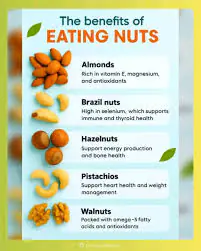
3.5 Vitamin E – Powerful Antioxidant for Immune Health
Vitamin E is a strong antioxidant that protects cells from damage caused by free radicals.
It also helps improve the function of immune cells, allowing the body to respond more effectively to infections. This makes it one of the important vitamins for immune defense system support.
Vitamin E can be found in:
- Nuts
- Seeds
- Spinach
- Sunflower oil
Adding these foods to your diet can help improve immune system protection and overall wellness.
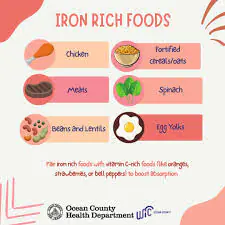
3.6 Iron – Key Nutrient for Energy Levels
Iron isn’t technically a vitamin, but it’s an essential mineral for maintaining healthy energy levels.
Iron helps the body produce hemoglobin, which carries oxygen in the blood. Without enough oxygen, your body cannot produce energy efficiently.
Low iron levels can lead to symptoms such as:
- Fatigue
- Weakness
- Shortness of breath
- Reduced stamina
That’s why iron is often included in supplements for energy and vitality.
Iron-rich foods include:
- Red meat
- Lentils
- Spinach
- Beans
These foods help support energy production and overall body strength.
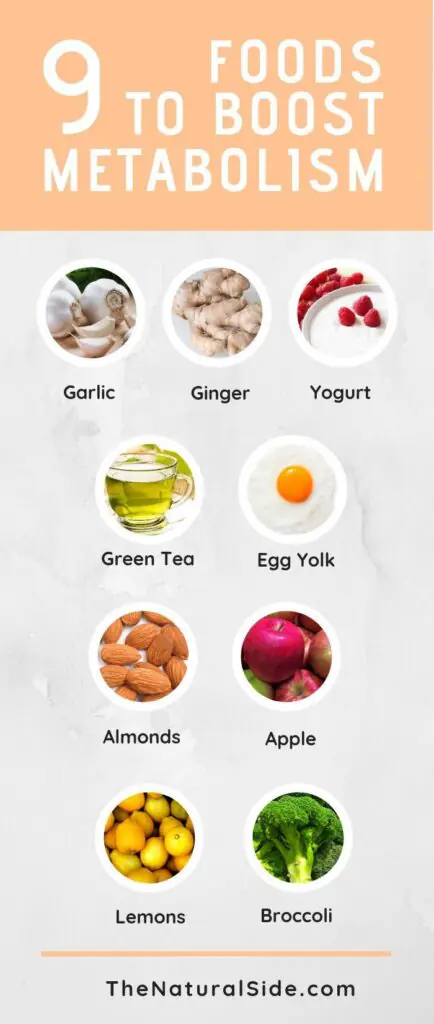
3.7 Magnesium – Helps Reduce Fatigue
Magnesium plays a role in more than 300 biochemical reactions in the body. One of its key functions is supporting energy production at the cellular level.
Low magnesium levels can lead to:
- Muscle fatigue
- Weakness
- Poor sleep
- Low stamina
This mineral is also known for helping muscles relax and improving recovery after physical activity.
Foods rich in magnesium include:
- Almonds
- Pumpkin seeds
- Avocados
- Dark chocolate
These foods help maintain healthy energy metabolism and body recovery.
3.8 Zinc – Essential for Immune Strength
Zinc is one of the most important immune boosting nutrients. It helps immune cells grow and communicate properly.
Without enough zinc, the immune system may struggle to respond to infections effectively.
Zinc also helps with wound healing and supports overall immune protection.
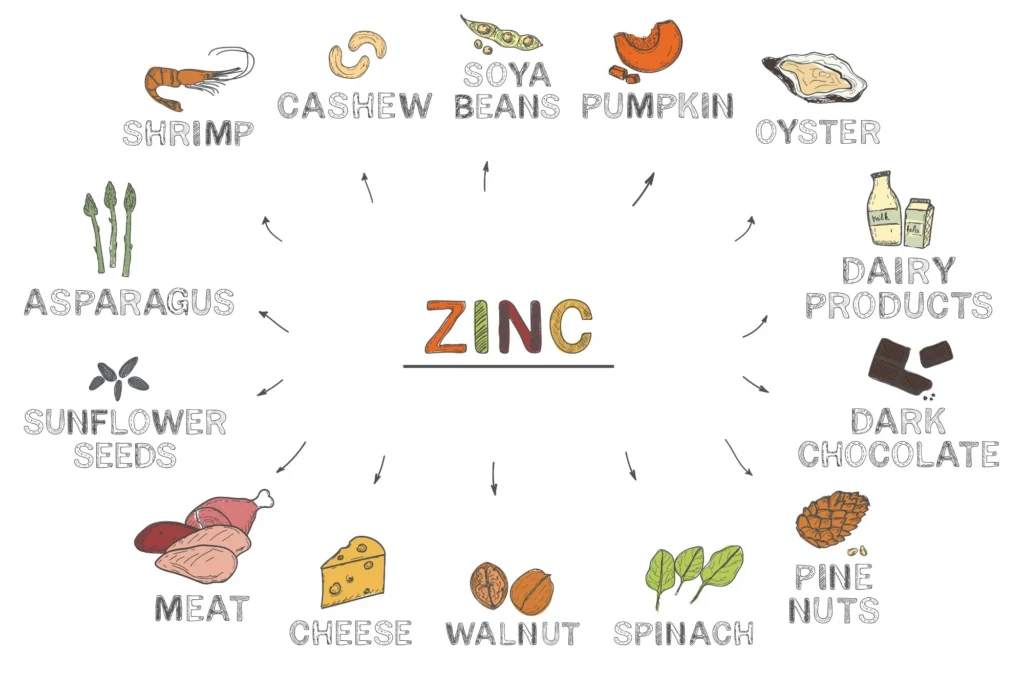
Foods rich in zinc include:
- Shellfish
- Pumpkin seeds
- Chickpeas
- Nuts
Because of its immune benefits, zinc is commonly included in best supplements for energy and immunity.
3.9 Vitamin A – Supports Immune Protection
Vitamin A plays a key role in maintaining healthy skin and mucous membranes. These tissues act as physical barriers that protect the body from harmful bacteria and viruses.
It also supports the production of immune cells that help fight infections.
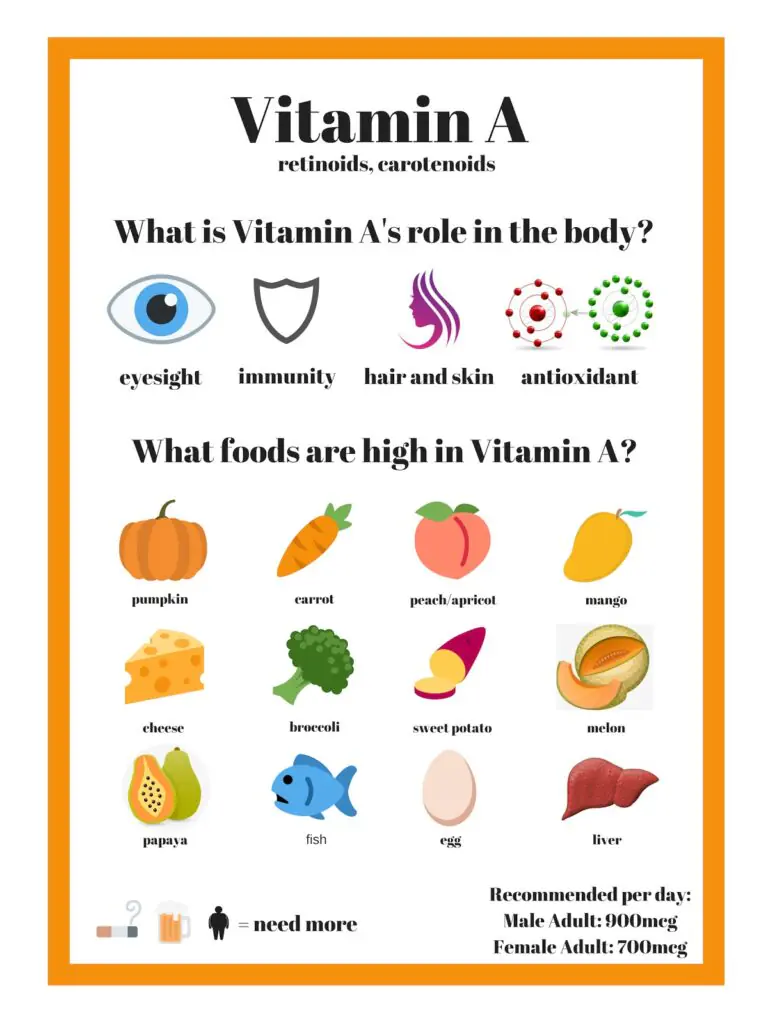
Foods high in vitamin A include:
- Carrots
- Sweet potatoes
- Spinach
- Kale
These foods contribute to strong immune system function and overall wellness.
3.10 Folate (Vitamin B9) – Supports Energy and Cell Growth
Folate, also known as vitamin B9, helps produce red blood cells and supports cell growth.
This vitamin is essential for maintaining healthy energy levels and preventing fatigue.
Folate-rich foods include:
- Leafy greens
- Beans
- Avocados
- Citrus fruits
Adding these foods to your diet supports energy production and immune health naturally.
4. Best Daily Vitamins for Energy and Immunity
Many people assume they only need vitamins when they feel sick or extremely tired. But the truth is, vitamins work best when they are taken consistently as part of a daily routine. Supporting your body with the best daily vitamins for energy and immunity can help prevent fatigue and strengthen immune defenses before problems start.
Your body constantly uses nutrients to produce energy, repair cells, and fight infections. That means it needs a steady supply of vitamins every day.
Some of the most important daily vitamins for energy support and immune health include:
- Vitamin C for immune protection
- Vitamin D for immune balance
- Vitamin B12 for energy production
- Vitamin B6 for metabolism
- Zinc for immune strength
- Magnesium for reducing fatigue
These nutrients help maintain balanced energy levels and a healthy immune response.
Getting these vitamins from food is always the best approach. A balanced diet that includes fruits, vegetables, whole grains, lean proteins, and healthy fats naturally provides many of the nutrients your body needs.
For example:
- Citrus fruits provide vitamin C
- Eggs and fish provide vitamin B12
- Leafy greens provide folate
- Nuts and seeds provide magnesium
However, in some cases people may not get enough nutrients from food alone. Busy lifestyles, poor diet habits, or limited sun exposure can all contribute to deficiencies. In these situations, multivitamins or targeted supplements may help provide vitamins for daily energy support and immune protection.
Another important factor is consistency. Taking vitamins occasionally won’t deliver the same benefits as maintaining a regular routine. When your body receives the right nutrients consistently, it can maintain stable energy levels and stronger immune defense over time.
The goal isn’t to overload your body with supplements. Instead, focus on creating a balanced routine that includes nutrient-rich foods and, if needed, carefully chosen supplements that support both energy metabolism and immune health.
Why Energy and Immunity Matter More Than Ever
Many people believe that if they feel tired or get sick often, they just need more sleep or a stronger cup of coffee. That’s one of the most common misconceptions. In reality, fatigue and weak immunity are often connected to nutrient deficiencies, especially when the body is not getting the best vitamins for energy and immune system support. Your body relies on specific vitamins and minerals to produce energy and protect you from infections. Without them, even a healthy lifestyle can feel like a struggle.
Think about how often people complain about feeling drained by the middle of the day. Low energy levels, constant tiredness, and frequent colds are becoming very common today. One major reason is poor nutrition. Many modern diets lack the natural energy vitamins and immune-boosting nutrients the body needs to function properly. When your body doesn’t get enough vitamins for energy metabolism or immune defense, you may feel sluggish and more vulnerable to illness.
Your body is actually designed to stay energetic and resilient. But it needs the right fuel. Vitamins play a huge role in turning the food you eat into usable energy. At the same time, they help your immune system identify and fight harmful bacteria, viruses, and other threats. That’s why experts often recommend focusing on the best vitamins for energy boost and immune support as part of a healthy routine.
Another thing many people overlook is how closely energy and immunity are connected. When your immune system works overtime because of poor nutrition, your body uses more energy to fight off infections. This can leave you feeling exhausted and weak. On the other hand, when your energy levels are already low due to vitamin deficiencies, your immune system may struggle to defend your body effectively.
The good news is that supporting your health doesn’t have to be complicated. The right combination of vitamins for strong immune system function and sustained energy levels can help you feel more active and resilient. Many essential nutrients, such as B vitamins, vitamin C, and vitamin D, are known for supporting both energy production and immune defense.
In this guide, we’ll explore the best vitamins for energy and immune system health, how they work in the body, and why they are so important for everyday wellness. Whether you’re trying to overcome fatigue, prevent frequent illness, or simply stay active, understanding the role of these vitamins can make a huge difference.
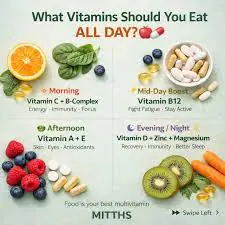
2. How Vitamins Help Boost Energy and Strengthen the Immune System
Before looking at specific nutrients, it helps to understand how vitamins actually work inside your body. Many people assume vitamins only “support health” in a general sense. In reality, they play very specific roles in energy production, immune protection, and overall body function.
When your body gets the right vitamins, it can convert food into energy more efficiently and maintain a stronger defense against infections. Without them, your body may struggle to maintain stamina and immune balance.
2.1 Vitamins That Support Energy Production
Energy doesn’t magically appear in your body. It’s produced through complex processes that convert carbohydrates, fats, and proteins into usable fuel. Certain vitamins are essential for this process, especially those involved in energy metabolism.
B vitamins are among the most important vitamins that increase energy levels. They help enzymes break down nutrients from food and turn them into cellular energy. Without these vitamins, your body cannot efficiently produce the energy needed for daily activities.
For example, vitamin B12 plays a major role in red blood cell formation and oxygen transport. When your body has enough oxygen circulating through the bloodstream, muscles and organs can work more efficiently. This is why vitamin B12 is often recommended for people experiencing low energy or fatigue.
Another important nutrient for energy production is magnesium. This mineral helps regulate hundreds of biochemical reactions in the body, including those involved in producing ATP, the main energy molecule in your cells. Without adequate magnesium, many people experience tiredness and reduced stamina.
Iron also plays a critical role in maintaining healthy energy levels. It helps carry oxygen through the bloodstream, allowing cells to produce energy efficiently. Low iron levels are one of the most common causes of fatigue and weakness, particularly among women.
Together, these nutrients act as natural energy vitamins that help the body stay active throughout the day. When your diet includes the right balance of these vitamins, you may notice improved stamina, better focus, and less daily fatigue.
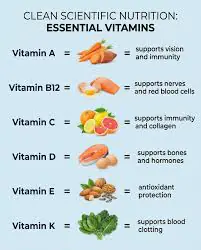
2.2 Vitamins That Strengthen Immune Defense
Your immune system works around the clock to protect your body from infections. But it cannot function properly without the right nutrients. Many vitamins act as immune system booster vitamins, helping your body recognize and fight harmful pathogens.
Vitamin C is one of the most well-known nutrients for immune health. It helps stimulate the production of white blood cells, which are responsible for attacking bacteria and viruses. It also acts as a powerful antioxidant, protecting immune cells from damage.
Vitamin D is another essential nutrient for immune defense. Research shows that it helps regulate immune responses and supports the body’s ability to fight infections. People with low vitamin D levels often experience more frequent illnesses.
Zinc is also considered a key immune boosting nutrient. It supports immune cell development and helps the body respond effectively to infections. Without enough zinc, immune responses can become slower and less efficient.
Vitamin A and vitamin E also contribute to a strong immune system by protecting cells and supporting healthy tissues. These vitamins help maintain the body’s natural barriers, such as skin and mucous membranes, which act as the first line of defense against pathogens.
When these nutrients work together, they create a powerful support system for the body. This is why many health experts emphasize the importance of consuming foods and supplements that provide vitamins for immune support and energy metabolism at the same time.
Vitamins for Low Energy and Weak Immune System
Start this section by addressing a common situation many readers face: feeling tired all the time and getting sick frequently.
Explain that when the body lacks essential nutrients, it may struggle to maintain energy and a strong immune response. Many people searching for the best vitamins for energy and immune system support are actually dealing with nutrient deficiencies without realizing it.
Include keyword variations naturally such as:
- vitamins for low energy and weak immune system
- vitamins for fatigue and weakness
- natural vitamins for energy and immune system health
- vitamins that increase energy levels
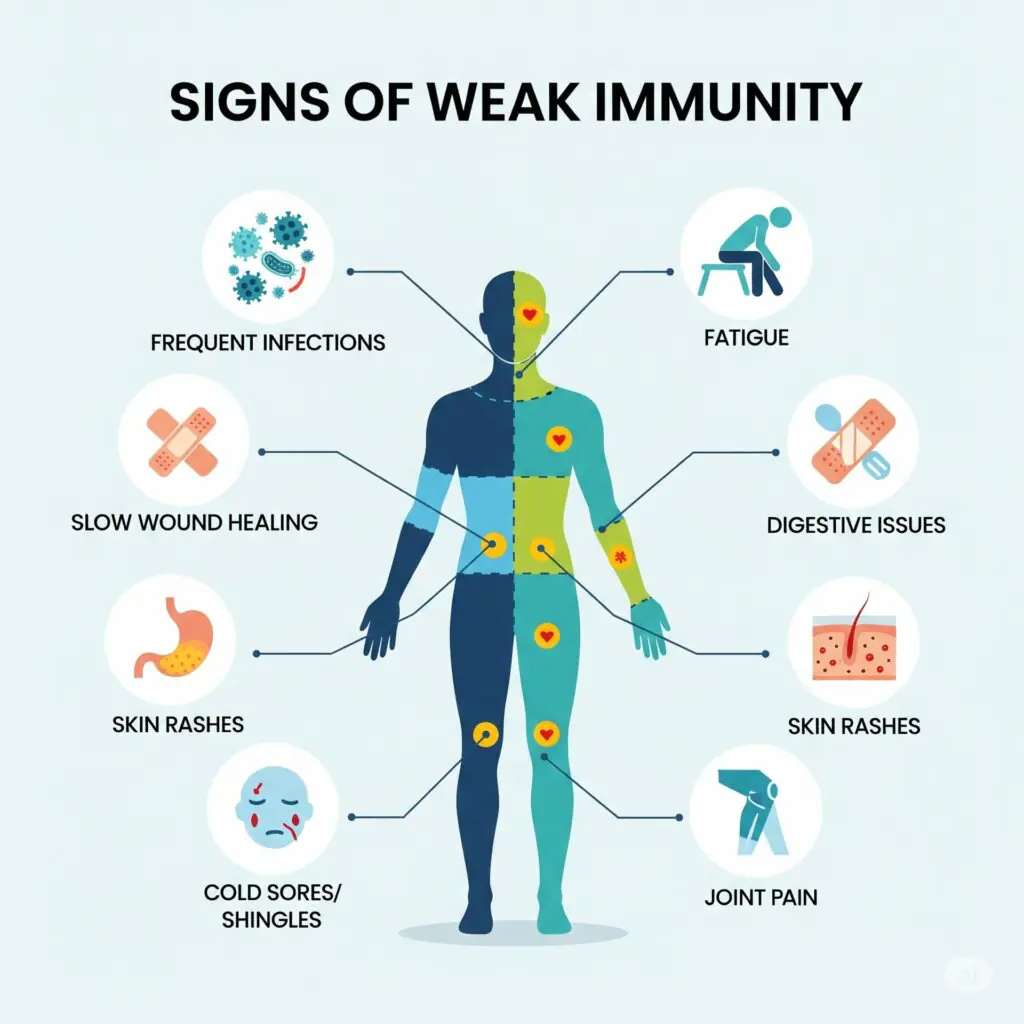
5.1 Signs Your Body Needs More Vitamins
Explain that the body often sends warning signals when it lacks essential nutrients.
Common signs include:
Constant fatigue
Feeling exhausted even after sleeping well can be a sign your body lacks important energy boosting vitamins like B12 or iron.
Frequent colds or infections
If you get sick often, your immune system may need more immune system booster vitamins like vitamin C, vitamin D, and zinc.
Brain fog or poor concentration
Low levels of B vitamins can affect brain function and reduce mental energy.
Slow recovery from illness or workouts
This can indicate low levels of immune boosting nutrients and antioxidants.
Weak muscles or low stamina
Magnesium and vitamin D deficiencies can affect physical energy and recovery.
Include LSI keywords such as:
- vitamins to reduce fatigue
- vitamins for daily energy support
- nutrients for energy production
5.2 Common Causes of Low Energy and Weak Immunity
Explain the most common reasons people develop vitamin deficiencies.
Poor diet
Many modern diets rely on processed foods that lack essential nutrients.
Without enough fruits, vegetables, and whole foods, your body may miss important vitamins for immune defense and energy metabolism.
Chronic stress
Stress can drain the body’s nutrient stores and weaken the immune system.
Lack of sleep
Sleep is critical for immune repair and energy restoration.
Limited sunlight exposure
Low sunlight can lead to vitamin D deficiency, which affects immune health.
Sedentary lifestyle
Lack of physical activity can slow metabolism and reduce natural energy production.
This section helps target keywords like:
- vitamins for tiredness and fatigue
- vitamins for immune health
- vitamins for body energy
6. Natural Ways to Boost Energy and Immune System
This section adds holistic SEO content, which Google loves because it improves topical depth.
Start by explaining that vitamins work best when combined with healthy lifestyle habits. Supplements alone cannot replace a balanced routine.
Include keyword variations:
- natural ways to boost energy and immunity
- natural vitamins for energy and immune system health
- nutrients that boost immune system
6.1 Eat Nutrient-Rich Foods
Explain how whole foods naturally contain the best vitamins for energy and immune system health.
Encourage readers to eat:
Fruits and vegetables
These provide vitamin C, antioxidants, and immune-support nutrients.
Lean protein
Protein supports muscle recovery and energy metabolism.
Whole grains
They provide B vitamins that help convert food into energy.
Healthy fats
Omega-3 fats support immune function and brain health.
Include LSI keywords:
- natural immunity boosters
- essential nutrients for energy
- vitamins for overall health
6.2 Improve Sleep Quality
Explain that sleep is one of the most powerful natural ways to improve immunity.
During sleep, the body repairs cells, restores energy, and strengthens immune defenses.
Poor sleep can lead to:
- low energy levels
- weakened immune response
- increased stress hormones
Encourage habits like:
- maintaining a consistent sleep schedule
- avoiding screens before bed
- creating a relaxing bedtime routine
6.3 Exercise Regularly
Regular physical activity improves circulation, allowing nutrients and oxygen to move efficiently through the body.
Exercise also helps:
- increase energy levels
- improve metabolism
- strengthen immune defense
Examples of helpful activities:
- walking
- strength training
- yoga
- cycling
Include keywords like:
- vitamins to improve stamina
- energy boosting nutrients
6.4 Stay Hydrated
Many people underestimate the role of hydration in maintaining energy and immune health.
Water helps:
- transport nutrients
- remove toxins
- regulate body temperature
- support metabolic processes
Even mild dehydration can lead to fatigue and reduced focus.
Encourage readers to drink water regularly throughout the day.

7. What Vitamins Help with Energy and Immune System? (Expert Answer Section)
This section targets an important long-tail keyword that people search directly on Google.
Explain that several vitamins work together to support both energy production and immune defense.
The most effective ones include:
- Vitamin C
- Vitamin D
- Vitamin B12
- Vitamin B6
- Zinc
- Magnesium
- Iron
Explain briefly how each contributes to energy and immune system support.
Include keyword variations:
- what vitamins help with energy and immune system
- vitamins to boost energy and immunity
- energy and immune system vitamins
8. Best Supplements for Energy and Immunity
Start by explaining that while food should always come first, supplements can help fill nutritional gaps.
Discuss common supplement types such as:
Multivitamins
Provide a balanced mix of nutrients for overall wellness.
Vitamin B complex
Supports energy production and reduces fatigue.
Vitamin D supplements
Helpful for people with limited sunlight exposure.
Immune support formulas
Often contain vitamin C, zinc, and antioxidants.
Include keywords:
- best supplements for energy and immunity
- supplements for immune system support
- supplements for energy and vitality
9. Frequently Asked Questions (FAQs)
This section helps capture Google Featured Snippets and voice search traffic.
Possible FAQ questions include:
- What are the best vitamins for energy and immune system?
- What vitamins help with energy and immune system support?
- Which vitamin helps fight fatigue naturally?
- Can vitamins really boost the immune system?
- What vitamins should I take daily for energy?
- Are natural vitamins better than supplements?
- How long does it take for vitamins to improve energy?
10. Conclusion: Choosing the Best Vitamins for Energy and Immune System
Summarize the key points of the article.
Remind readers that maintaining energy and immunity requires:
- the right vitamins
- balanced nutrition
- healthy lifestyle habits
What are the best vitamins for energy and immune system?
The best vitamins for energy and immune system support usually include vitamin B12, vitamin C, vitamin D, vitamin B6, zinc, magnesium, and iron. These nutrients help your body produce energy, support immune cells, and protect against infections. When your body gets the right vitamins daily, you may feel more energetic and your immune system can work more effectively.
2. What vitamins help boost energy naturally?
Several vitamins help improve natural energy levels. The most important ones include vitamin B12, vitamin B6, iron, magnesium, and vitamin D. These nutrients support energy metabolism, meaning they help your body convert food into usable energy.
3. What vitamins strengthen the immune system?
Some of the most important immune system booster vitamins include:
- Vitamin C
- Vitamin D
- Vitamin A
- Vitamin E
- Zinc
These vitamins help immune cells fight viruses, bacteria, and other harmful pathogens.
4. Can vitamins really improve energy levels?
Yes, vitamins can help improve energy levels, especially if your body is lacking essential nutrients. For example, vitamin B12 and iron help carry oxygen through the blood, which supports energy production in your cells.
5. Which vitamin deficiency causes fatigue?
One of the most common causes of fatigue is vitamin B12 deficiency. Low levels of iron, vitamin D, and magnesium can also lead to tiredness and low energy levels.