
Many people believe that learning how to improve neurowellness naturally requires costly supplements, complicated routines, or special treatments. That’s simply not true. Small daily choices often make the biggest difference. Eating nourishing food, sleeping well, moving your body, and managing stress can strengthen your brain over time without making life difficult. The key is consistency, not perfection.
1. Why Neurowellness Matters More Than Ever
Modern life keeps our brains busy every day. Endless notifications, long work hours, poor sleep, and constant stress can slowly affect memory, focus, and emotional balance. The good news is that your brain has an amazing ability to adapt. With the right habits, you can improve natural brain wellness, sharpen thinking, and support long-term cognitive health.
This guide will show you practical, science-backed strategies that fit into everyday life. Whether you want better concentration at work, stronger memory while studying, or a healthier mind as you age, these simple techniques can help you build lasting brain wellness naturally.
By the end of this article, you’ll understand:
- What neurowellness really means.
- Why brain health deserves daily attention.
- How simple lifestyle changes improve cognitive function.
- Easy habits you can start today without spending much money.
2. What Is Neurowellness?
Neurowellness means keeping your brain and nervous system healthy so they work at their best. It isn’t only about avoiding illness. It also means helping your mind think clearly, remember information, solve problems, stay emotionally balanced, and respond well to everyday challenges.
Think of your brain like the engine of a car. When you give it quality fuel, regular maintenance, and enough rest, it performs better and lasts longer. Your brain works the same way.
Instead of searching for quick fixes, focus on building healthy habits that support overall neurological wellness every single day.
2.1 A Simple Definition
In simple words, neurowellness is the overall health of your brain, nerves, thoughts, emotions, and cognitive abilities.
Good neurowellness helps you:
- Stay focused during important tasks.
- Learn new skills more easily.
- Remember information longer.
- Handle stress calmly.
- Make smarter decisions.
- Feel emotionally balanced.
- Stay mentally active as you grow older.
When these areas work together, daily life becomes easier and more enjoyable.
Brain Health vs Mental Health
Many people think these terms mean the same thing, but they are slightly different.
Brain health focuses on how well your brain functions physically. It includes memory, learning ability, attention, and communication between brain cells.
Mental health focuses on emotions, thoughts, feelings, and behavior. It influences how you react to stress, build relationships, and make decisions.
Although they are different, both support each other. Poor sleep, unhealthy eating, or constant stress can affect both your brain and emotional well-being.
That’s why improving brain health naturally also supports better mental wellness.
How Your Brain Changes Throughout Life
One fascinating fact is that your brain never completely stops learning.
Scientists call this ability neuroplasticity, which means your brain can create new connections whenever you learn something, practice a skill, or build healthier habits.
Simple activities like reading a book, solving puzzles, learning another language, exercising, or practicing mindfulness encourage these positive changes.
This is one reason why experts recommend daily brain exercises instead of depending only on supplements.

2.2 Why Neurowellness Matters
Your brain controls almost everything you do.
Every conversation, movement, decision, memory, and emotion depends on healthy brain function.
When you improve cognitive health, you improve many parts of your life at the same time.
Let’s look at some of the biggest benefits.
Better Focus
Staying focused has become harder because of constant distractions.
Healthy habits such as regular exercise, balanced nutrition, enough sleep, and fewer digital interruptions improve concentration naturally.
Problem: You lose attention after a few minutes.
Short Solution: Work in short focused sessions, take brief breaks, and reduce phone notifications.
Stronger Memory
Memory helps you remember names, important dates, work tasks, and everyday responsibilities.
Eating foods rich in omega-3 fatty acids, staying active, sleeping well, and challenging your brain regularly all support stronger memory.
Problem: Frequently forgetting small things.
Short Solution: Sleep 7–9 hours, stay hydrated, and practice memory-building activities every day.
Better Emotional Balance
Your brain also regulates emotions.
When you manage stress, practice gratitude, meditate, or spend time outdoors, your mind becomes calmer and more resilient.
Problem: Feeling overwhelmed easily.
Short Solution: Spend 10 minutes practicing deep breathing or mindfulness each day.
Faster Learning
A healthy brain absorbs new information more efficiently.
Reading, continuous learning, and practicing new skills strengthen brain connections and improve learning speed.
Problem: Difficulty remembering new information.
Short Solution: Review information regularly and avoid multitasking while learning.
Higher Productivity
Clear thinking helps you complete tasks faster with fewer mistakes.
Supporting your healthy nervous system through proper sleep, hydration, movement, and nutrition naturally improves daily performance.
Problem: Feeling mentally tired throughout the day.
Short Solution: Drink enough water, eat balanced meals, and move your body every hour.
Healthy Aging
Everyone grows older, but healthy habits help protect your brain over time.
Research shows that regular physical activity, lifelong learning, nutritious eating, and social interaction contribute to healthy aging brain function.
Starting today is much better than waiting for future problems.
Small Habits Create Big Results
Many people look for dramatic solutions, but lasting improvement usually comes from simple daily actions.
Here are a few examples:
- Walk for 30 minutes.
- Eat colorful fruits and vegetables.
- Drink enough water.
- Sleep consistently.
- Read for 20 minutes.
- Practice gratitude.
- Reduce unnecessary screen time.
- Spend time with family and friends.
These habits support natural ways to boost brain wellness without making your routine complicated.
What’s Coming Next?
Now that you understand what neurowellness is and why it matters, the next section will explore the common signs your brain may need extra care and the everyday factors that quietly reduce brain performance. You’ll also discover practical, science-backed ways to improve neurowellness naturally through simple habits you can start immediately.
Many people think brain problems only appear in old age. In reality, poor focus, brain fog, forgetfulness, and mental fatigue can affect anyone. The encouraging part is that these issues are often linked to everyday habits. Once you identify the cause, you can start making simple changes that support how to improve neurowellness naturally and enjoy better brain performance over time.
3. Signs Your Brain May Need Better Neurowellness
Your brain constantly sends signals when something isn’t right. These signs are easy to ignore because they often develop slowly. Paying attention early can help you improve natural brain wellness before small issues become bigger challenges.
3.1 Common Symptoms
Brain Fog
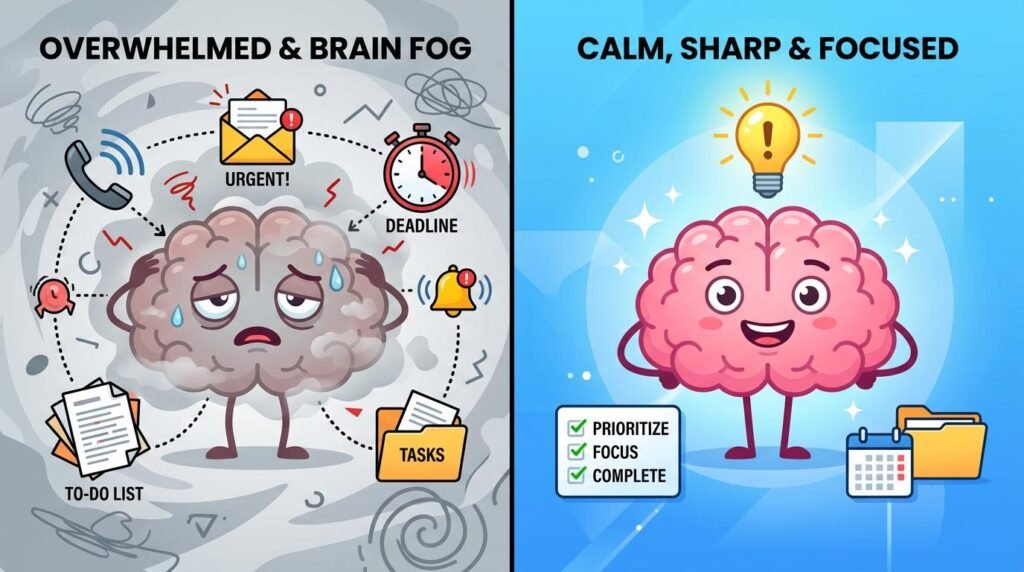
Brain fog isn’t a disease. It’s a feeling that your thinking is slower than usual. You may struggle to organize thoughts, stay focused, or remember simple details.
Possible Causes
- Poor sleep
- Stress
- Dehydration
- Processed foods
- Lack of exercise
Quick Solution
Start your morning with water, eat a protein-rich breakfast, take a short walk, and sleep at the same time every night. These simple habits often reduce brain fog naturally.
Poor Concentration
If your attention keeps jumping from one task to another, your brain may need a reset.
Possible Causes
- Too many notifications
- Multitasking
- Mental overload
- Lack of breaks
Quick Solution
Use the 25-minute focus rule. Work on one task for 25 minutes, then take a 5-minute break. Turn off unnecessary notifications while working.
Forgetfulness
Everyone forgets things sometimes. However, frequent memory lapses may suggest your brain needs better daily care.
Possible Causes
- Chronic stress
- Poor nutrition
- Sleep deprivation
- Information overload
Quick Solution
Write important tasks down, learn something new each week, and eat foods rich in healthy fats like salmon, walnuts, and eggs to improve memory naturally.
Mental Fatigue
Feeling mentally exhausted after simple work isn’t normal when it happens every day.
Possible Causes
- Long screen time
- Poor work-life balance
- Lack of movement
Quick Solution
Stand up every hour, stretch for two minutes, and spend a few minutes outside. Fresh air and movement help restore mental energy.

Mood Swings
Your emotional health and cognitive wellness are closely connected.
Possible Causes
- Poor sleep
- Stress
- Blood sugar fluctuations
- Lack of sunlight
Quick Solution
Eat regular balanced meals, go outside each morning, and practice deep breathing before reacting during stressful moments.
Trouble Sleeping
A tired brain cannot perform at its best.
Possible Causes
- Late-night screen use
- Caffeine before bed
- Irregular sleep schedule
Quick Solution
Stop using screens at least one hour before bedtime, keep your bedroom cool and dark, and follow the same sleep schedule every day.
Constant Stress
Stress becomes harmful when it never stops.
Possible Causes
- Heavy workload
- Financial pressure
- Family responsibilities
- Poor relaxation habits
Quick Solution
Spend 10 minutes daily practicing breathing exercises, gratitude journaling, or mindfulness. Small daily habits build long-term brain resilience.
3.2 Why These Problems Happen
Many people search for expensive solutions while ignoring the real causes.
Let’s look at the biggest ones.
Poor Nutrition
Your brain needs quality fuel every day.
Highly processed foods may leave you feeling tired, unfocused, and mentally sluggish.
Better Choice
Choose vegetables, fruits, whole grains, nuts, fish, eggs, seeds, and healthy fats. These foods support brain nutrition and cognitive health.
Lack of Physical Activity
Exercise increases blood flow to the brain and encourages the growth of healthy brain cells.
Problem
Sitting for hours every day.
Solution
Aim for at least 30 minutes of walking, cycling, or light exercise most days of the week.
Chronic Stress
Long-term stress raises cortisol levels, making it harder to concentrate, remember information, and make decisions.
Solution
Practice meditation, deep breathing, yoga, or spend time in nature to lower stress naturally.
Poor Sleep
During sleep, your brain clears waste products and strengthens memories.
Problem
Sleeping less than seven hours regularly.
Solution
Create a relaxing bedtime routine and avoid heavy meals before sleeping.
Dehydration
Even mild dehydration can reduce attention and memory.
Problem
Waiting until you feel thirsty.
Solution
Keep a water bottle nearby and drink water throughout the day instead of all at once.
Too Much Screen Time
Phones and computers are useful, but too much screen exposure may reduce focus and increase mental fatigue.
Solution
Follow the 20-20-20 rule. Every 20 minutes, look at something about 20 feet away for at least 20 seconds.
4. How to Improve Neurowellness Naturally: 13 Science-Backed Habits
Improving your brain doesn’t require dramatic lifestyle changes. Small, consistent habits usually produce the best long-term results. These evidence-based practices support natural ways to boost brain wellness, better focus, stronger memory, and overall neurological health.
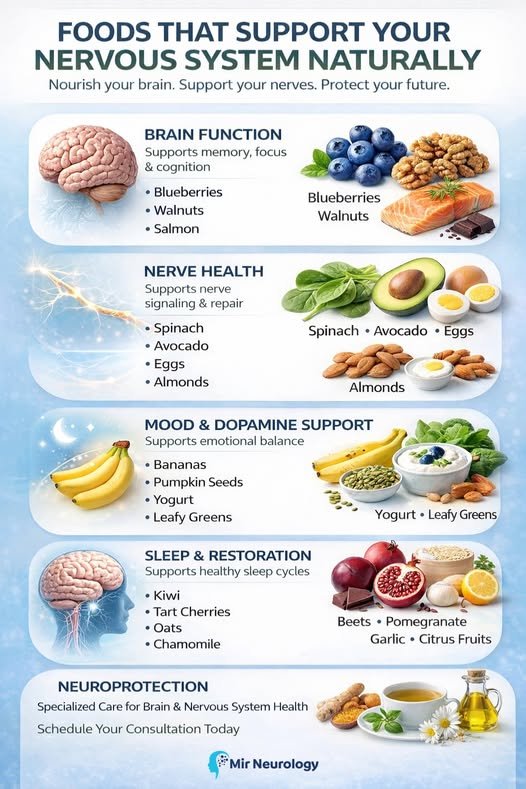
4.1 Eat Brain-Boosting Foods Every Day
Food is one of the most powerful tools for improving brain health naturally.
Include more:
- Salmon
- Sardines
- Walnuts
- Almonds
- Eggs
- Blueberries
- Spinach
- Broccoli
- Pumpkin seeds
- Dark chocolate (in moderation)
These foods provide omega-3 fats, antioxidants, vitamins, and minerals that protect brain cells and improve learning ability.
Problem
Eating fast food several times every week.
Solution
Replace one processed meal each day with a homemade meal containing vegetables, lean protein, and healthy fats.
4.2 Stay Physically Active
Exercise supports both body and brain.
Regular movement improves blood circulation, memory, mood, and learning.
Simple options include:
- Walking
- Cycling
- Swimming
- Strength training
- Dancing
- Yoga
Problem
“I don’t have time to exercise.”
Solution
Take three 10-minute walks during the day. Short sessions still benefit your brain.

4.3 Prioritize Quality Sleep
Sleep is when your brain repairs itself.
Adults should aim for 7–9 hours every night.
Create healthy sleep habits by:
- Sleeping at the same time daily.
- Avoiding caffeine late in the day.
- Keeping your room dark and quiet.
- Limiting screens before bed.
Problem
You wake up feeling tired every morning.
Solution
Reduce screen use one hour before bedtime and avoid heavy meals late at night.
4.4 Practice Mindfulness and Meditation
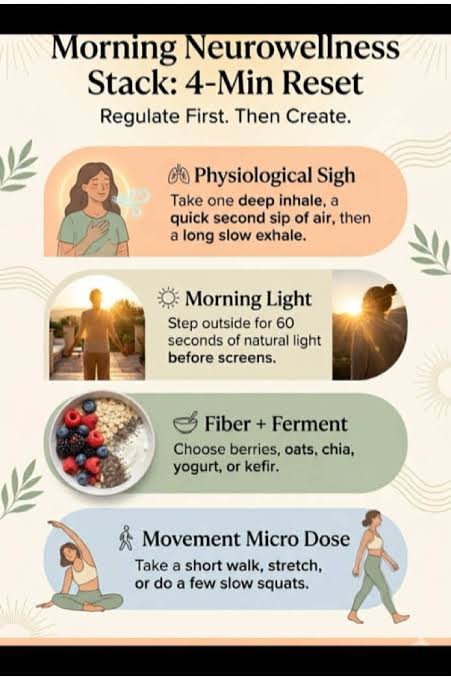
Mindfulness trains your brain to stay in the present.
Benefits include:
- Better concentration
- Lower stress
- Improved emotional control
- Sharper thinking
You don’t need long sessions.
Even 10 minutes daily can improve mental clarity over time.
Problem
“My mind never stops thinking.”
Solution
Focus only on your breathing for five minutes. When thoughts appear, gently return your attention to each breath.
4.5 Train Your Brain Daily
Just like muscles, your brain becomes stronger with practice.
Try activities like:
- Reading books
- Crossword puzzles
- Sudoku
- Chess
- Learning a language
- Playing a musical instrument
- Memory games
Problem
Learning feels difficult.
Solution
Choose one enjoyable activity and practice it for 15–20 minutes each day.
4.6 Reduce Chronic Stress Naturally
Stress cannot always be avoided, but it can be managed.
Helpful habits include:
- Deep breathing
- Journaling
- Spending time outdoors
- Prayer or meditation
- Listening to relaxing music
- Talking with trusted friends
Problem
Stress keeps returning.
Solution
Identify one daily trigger and create a simple plan to handle it instead of reacting automatically.
4.7 Stay Hydrated
Your brain is mostly water.
Even slight dehydration may reduce concentration, mood, and memory.
Problem
Forgetting to drink water.
Solution
Keep a reusable bottle nearby and drink a glass before every meal.
4.8 Support Your Gut-Brain Connection
A healthy gut supports a healthy brain.
Include foods like:
- Yogurt
- Kefir
- Kimchi
- Whole grains
- Fruits
- Vegetables
- Beans
These foods nourish beneficial bacteria that communicate with your brain.
Problem
Frequent digestive discomfort.
Solution
Increase fiber gradually and include fermented foods several times each week.
4.9 Spend More Time Outdoors
Nature reduces stress while improving mood and attention.
Even a short walk in a park offers benefits.
Problem
Staying indoors all day.
Solution
Spend at least 20 minutes outside whenever possible.
4.10 Build Strong Social Connections
Meaningful relationships help protect emotional and cognitive health.
Talk with family, meet friends, join community groups, or volunteer.
Problem
Feeling isolated.
Solution
Schedule one meaningful conversation or meet-up each week.
4.11 Limit Digital Overload
Constant scrolling keeps your brain overstimulated.
Healthy digital habits include:
- Turning off unnecessary notifications.
- Taking screen-free breaks.
- Avoiding phones during meals.
- Reading printed books occasionally.
Problem
Checking your phone every few minutes.
Solution
Keep your phone in another room while doing important work.
4.12 Avoid Habits That Harm Your Brain
Some habits quietly reduce brain performance over time.
Examples include:
- Smoking
- Excess alcohol
- Highly processed foods
- Chronic sleep deprivation
- Long-term unmanaged stress
Problem
Trying to change everything at once.
Solution
Improve one habit each week. Small, consistent progress is easier to maintain than drastic changes.
4.13 Stay Consistent with Healthy Daily Habits
Consistency is the real secret behind how to improve neurowellness naturally.
You don’t need a perfect routine. You need habits you can follow for months and years.
A simple daily checklist can make a big difference:
- ✓ Eat whole foods.
- ✓ Move your body.
- ✓ Sleep 7–9 hours.
- ✓ Drink enough water.
- ✓ Learn something new.
- ✓ Practice mindfulness.
- ✓ Spend time outdoors.
- ✓ Connect with people you care about.
When these actions become part of your lifestyle, you’ll gradually notice better focus, stronger memory, improved mood, and greater mental energy.
1. Can I improve neurowellness naturally without taking supplements?
Yes. In many cases, healthy daily habits make the biggest difference. Eating nutritious foods, exercising regularly, getting enough sleep, staying hydrated, and managing stress can naturally support brain health. Supplements may help some people, but they should never replace a healthy lifestyle.
2. How long does it take to improve neurowellness naturally?
It depends on your habits and overall health. Some people notice better focus and energy within a few weeks, while stronger memory and long-term brain health usually improve over several months. The key is staying consistent every day.
3. What are the biggest signs that my brain needs better care?
Common signs include brain fog, poor concentration, forgetfulness, mental fatigue, frequent stress, mood swings, and poor sleep. If these symptoms continue or become severe, it’s important to speak with a healthcare professional.
4. Which daily habit has the biggest impact on brain health?
There isn’t just one. The best results come from combining several healthy habits, including quality sleep, regular physical activity, a balanced diet, stress management, hydration, and daily mental exercises like reading or learning something new.
5. What’s the easiest way to start improving neurowellness today?
Start small. Drink more water, take a 20–30 minute walk, eat one brain-healthy meal, reduce screen time before bed, and aim for 7–9 hours of sleep. These simple steps are easy to follow and can make a noticeable difference over time.