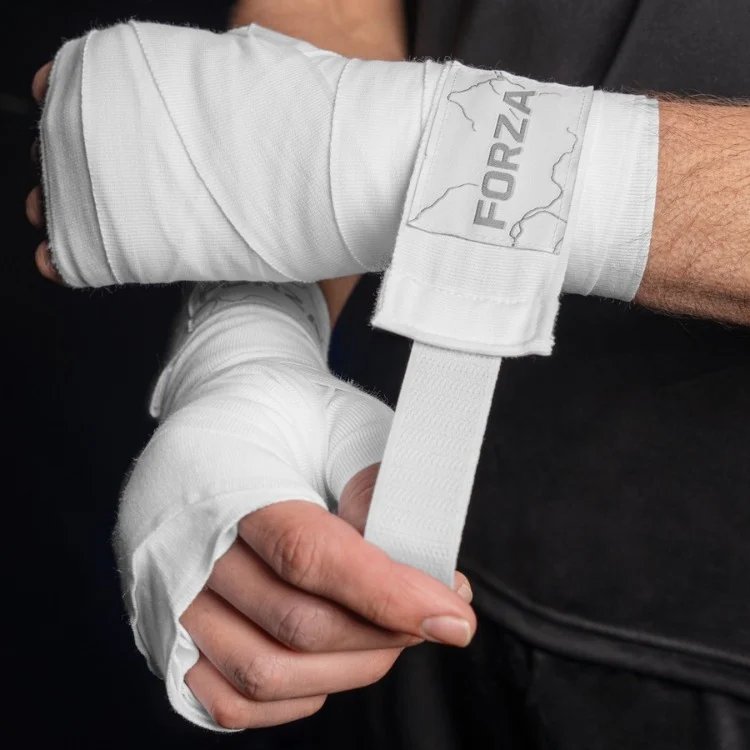
Most people think wrapping your hands for boxing is just about winding a strip of cloth around your knuckles and wrists. But that’s a big mistake. If you wrap your hands incorrectly, you’re not just wasting time—you’re leaving your knuckles, wrists, and even your fingers vulnerable to injuries. And trust me, no one wants to cut a training session short because of a sore hand.
So, if you want to learn how to properly wrap your hands for boxing beginners, you’re in the right place. In this guide, we’ll break down step-by-step instructions on wrapping your hands like a pro—whether it’s for bag workouts, sparring, or actual fights. By the end, you’ll know how to protect your wrists, keep your knuckles safe, and get the most out of your boxing training.
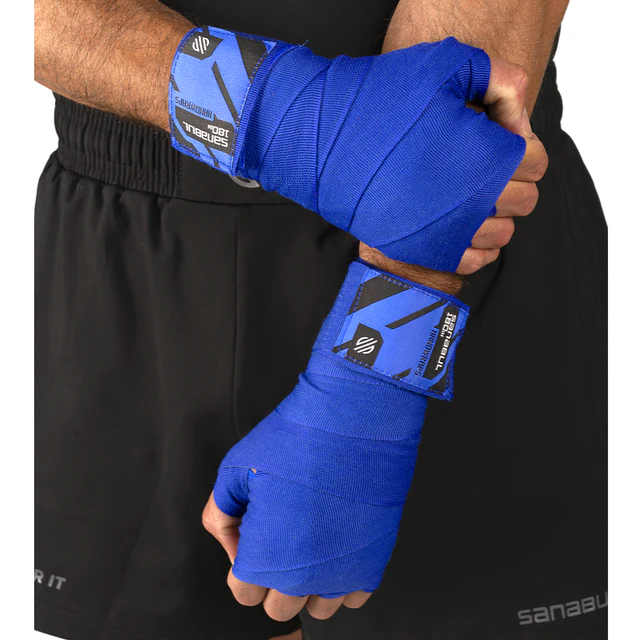
Boxing isn’t just about throwing punches. Proper hand wrapping is one of the boxing training essentials that can make a huge difference in your performance. When you wrap your hands correctly, you reduce the risk of injury, improve your punching power, and feel more confident every time you hit the bag or spar with a partner.
Here’s the plan: first, we’ll explain why hand wraps matter, the benefits they provide, and the mistakes to avoid. Then, we’ll dive into choosing the right hand wraps for your needs.
Understanding Boxing Hand Wraps
2.1 What Are Boxing Hand Wraps?
Hand wraps are thin strips of cloth or elastic that you wrap around your hands and wrists before putting on your boxing gloves. They’re designed to provide extra support to your wrists, fingers, and knuckles, which protects you from injuries during training or fights.
Think of them as an extra layer of armor for your hands. Even if you’re wearing high-quality gloves, proper boxing hand wraps help stabilize your wrist and prevent painful injuries from repeated punches on the bag or pads.
Some people use hand wraps for comfort alone, but the main purpose is safety and support. Wrapping your hands incorrectly or skipping this step entirely is a common cause of boxing injuries, from sprained wrists to bruised knuckles.
2.2 Why Hand Wraps Are Essential
Let’s get real. Boxing is tough on your hands. Every punch you throw puts stress on your joints, knuckles, and wrists. That’s why hand wrapping for boxing is non-negotiable.
Here are the main reasons:
- Knuckle Protection – Hand wraps cushion your knuckles, making every punch safer and more controlled.
- Wrist Support – They keep your wrist straight and prevent it from bending backward on impact.
- Finger Stability – Proper wraps keep your fingers aligned inside the glove, reducing the risk of injury.
- Better Glove Fit – Wrapping your hands properly also makes your gloves fit snugly, giving you more comfort during training or fights.
Whether you’re beginner boxing hand wraps or looking for hand wraps for pro boxers, this is one of the easiest ways to train safely and effectively.
2.3 Benefits of Wrapping Hands Correctly
When done right, hand wraps don’t just prevent injuries—they actually enhance your performance.
- Boost Punching Power – Tight, secure wraps make your punches more solid because your knuckles and wrist are aligned.
- Prevent Boxing Wrist Injuries – Sprains and twists happen when your wrist isn’t properly supported.
- Support During Sparring and Fights – If you’re preparing for a match, using hand wraps for fights can reduce fatigue and protect your hands over multiple rounds.
- Save Money on Gloves – Wrapping hands properly reduces wear and tear on your gloves since the wraps absorb some impact.
Many beginners skip wraps or do them incorrectly, thinking gloves are enough. But gloves alone won’t protect you from bag work injuries, wrist twists, or bruised knuckles. Proper wraps are an essential part of boxing training gear.
2.4 Common Mistakes People Make
Even seasoned boxers sometimes mess up when wrapping their hands. Here are some mistakes to watch out for:
- Wrapping Too Tight or Too Loose – Too tight cuts off circulation; too loose gives no support.
- Skipping Wrist Support – If your wrist isn’t secured, you risk sprains.
- Not Covering Knuckles Properly – Your knuckles take the brunt of every punch, so they need extra padding.
- Ignoring Fingers – Cross-over finger wraps prevent injury and keep everything aligned.
By avoiding these mistakes, you’ll get the full benefit of hand wraps for sparring and bag workouts. Remember, this is not just about safety—it’s about making your boxing training smarter and more effective.
How to Properly Wrap Your Hands for Boxing
Choosing the Right Hand Wraps
Many people think any hand wrap will do for boxing, but that’s a huge misconception. Using the wrong type or length of hand wrap can actually make your hands more prone to injury instead of protecting them. Choosing the right hand wraps is just as important as learning how to wrap hands correctly.
3.1 Types of Hand Wraps
There are several types of hand wraps, and knowing which one to pick can make a big difference:
- Cotton Hand Wraps – Soft, breathable, and great for beginners boxing hand wraps. They’re comfortable and easy to wash, making them ideal for daily bag workouts.
- Elastic or Mexican Style Wraps – Slightly stretchy, these wraps conform better to your hands and provide a snugger fit. Many pros prefer them because they give more wrist support without feeling too tight.
- Velcro Hand Wraps – Convenient and quick to put on, perfect if you need to wrap your hands fast before training or sparring.
When choosing, consider how often you train, whether you spar, and the type of gloves you use. For example, hand wraps for pro boxers often go for elastic or Mexican style because they allow tighter, more secure wrapping.
3.2 How to Pick the Right Length and Material
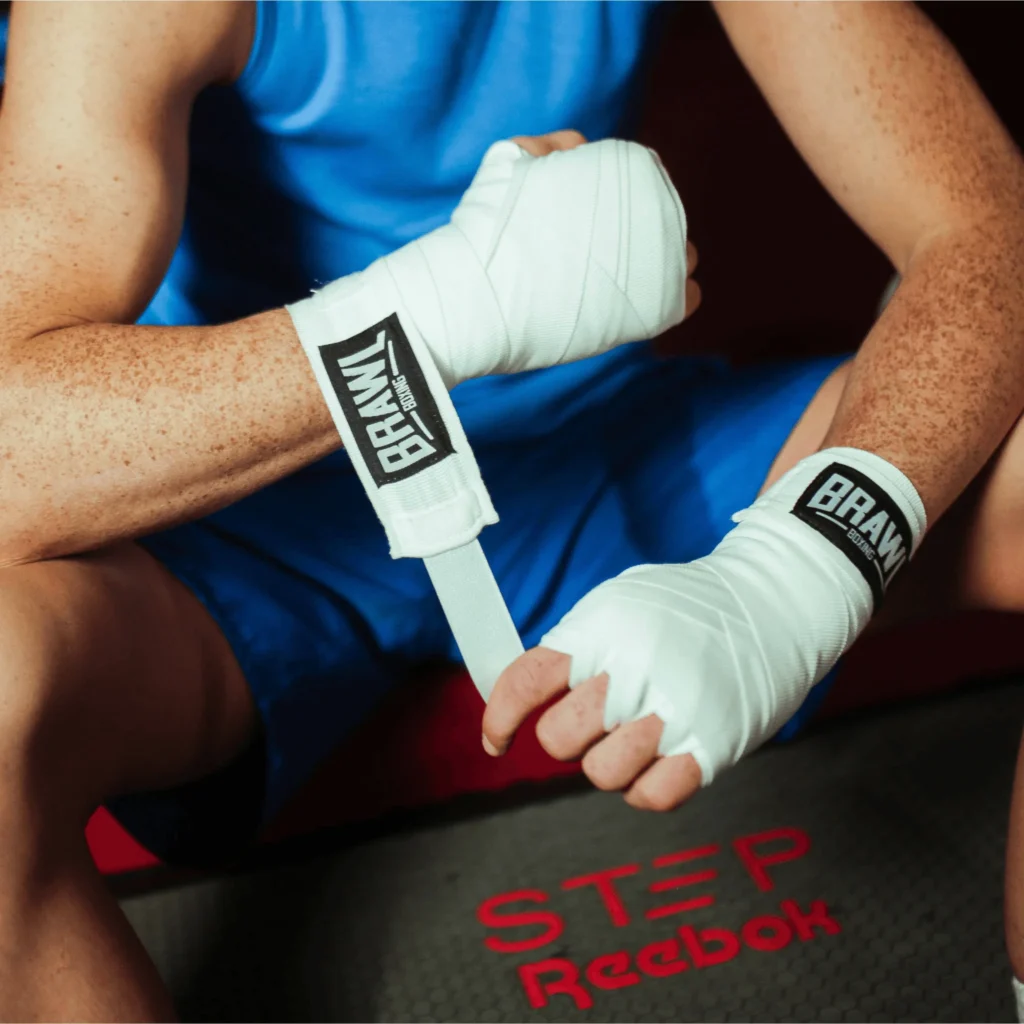
Length matters. A 60-inch wrap is usually good for kids or beginners, while 180-inch wraps are better for adult boxers doing intense sparring or fights. Longer wraps give more coverage for knuckles, wrist, and fingers.
Material matters too. Cotton wraps are breathable and comfortable for long sessions. Elastic wraps provide better wrist stability but may feel tighter. Many boxers even keep a pair of each type for different training needs.
When picking a hand wrap, remember the goal: protecting your knuckles, fingers, and wrists while allowing free movement. Hand wraps for bag work may need more padding for your knuckles, whereas hand wraps for sparring need extra wrist support.
3.3 How Often Should You Replace Them
Hand wraps get stretched and worn out over time. Using old, loose wraps can reduce protection and lead to injuries. Check your wraps regularly. If they’re frayed or losing elasticity, it’s time to replace them.
Using proper boxing hand wraps not only protects you but also prolongs the life of your gloves, saving money in the long run.
Step-by-Step Guide: How to Properly Wrap Your Hands for Boxing
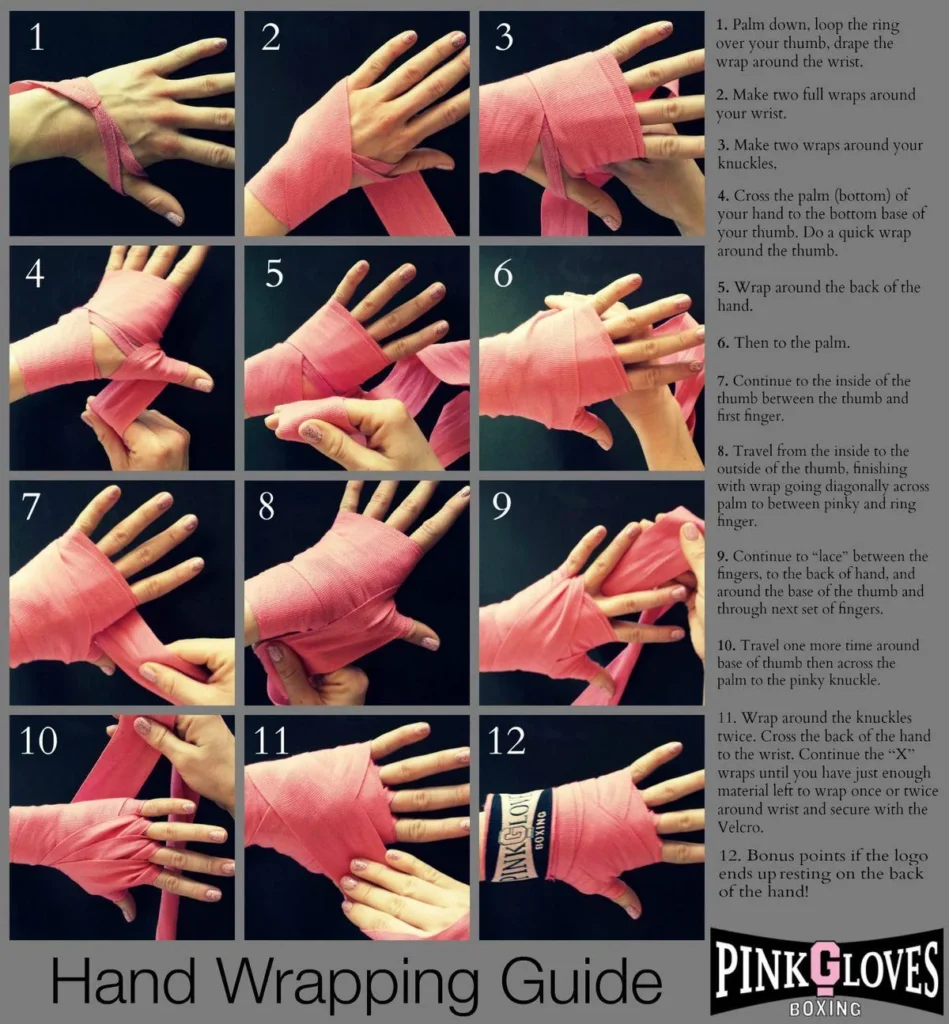
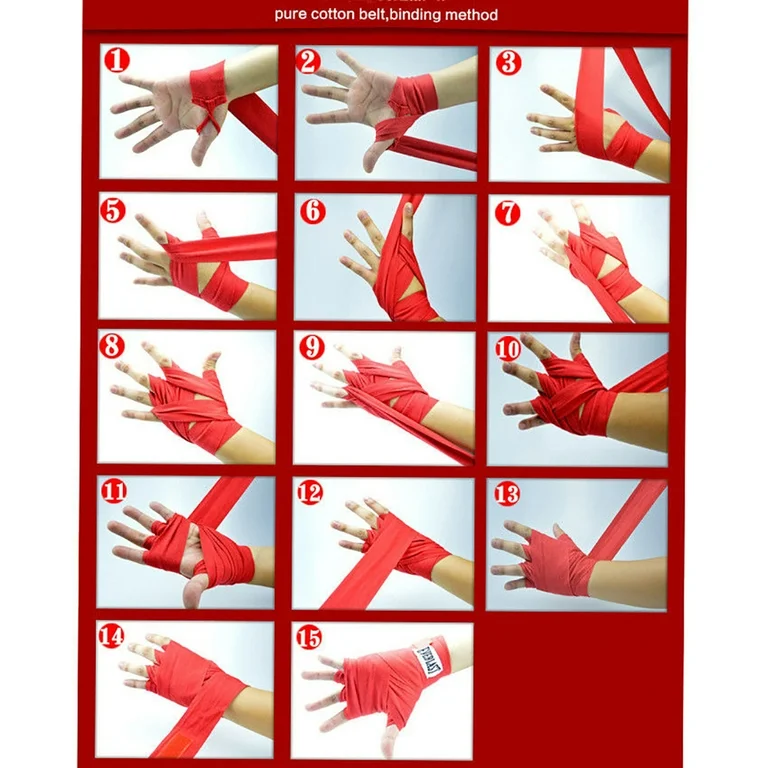
Some people think wrapping hands is just “a quick wind around the knuckles,” but that’s the fastest way to injure your wrist or fingers. Done right, wrapping your hands is a step-by-step process that protects your hands and improves performance. Here’s the full guide:
4.1 Prep Your Hands
Before you wrap, wash your hands and trim your nails. This keeps wraps clean and prevents accidental cuts. Some boxers use a little hand cream for smoother wraps, but don’t overdo it—too slippery and the wrap might shift.
4.2 Start With Wrist Support
Begin at the wrist, looping the wrap around 2–3 times. Proper wrist support boxing is essential, especially for bag work or sparring, because a weak wrist can twist on impact.
4.3 Wrap the Knuckles Correctly
Next, bring the wrap across the knuckles 2–3 times. This cushions your knuckles and distributes impact evenly. Using the hand wrap for comfort here can prevent bruising. Make sure the wrap isn’t too tight—it should be snug but flexible.
4.4 Secure the Thumb
Wrap the thumb lightly to prevent injuries but avoid restricting circulation. This step helps in boxing hand wrap techniques for both beginners and pros.
4.5 Wrap the Back of the Hand
Loop the wrap across the back of your hand to add finger stability. This also keeps your hand aligned in the glove, making punches safer and more effective.
4.6 Cross Over Fingers
Weave the wrap between your fingers to prevent finger injuries. Many beginners skip this, but it’s a key part of hand wrapping for boxing to avoid sprains.
4.7 Finish With the Wrist
Bring the remaining wrap back to the wrist and secure it with Velcro or tie it. Double-check for tightness—you want it snug, not painful. Proper boxing hand wraps finish with strong wrist support to prevent twists and improve punching stability.
4.8 Quick Tips for Beginners
- Practice a few times to get it right.
- Use fast and easy ways to wrap boxing hands for daily training.
- Watch a tutorial video or diagram (boxing hand wrap tutorial with pictures) to ensure proper technique.
4.9 Video/Visual Reference Suggestion
Including a step-by-step visual can be extremely helpful. Pictures or short clips showing how to wrap hands for boxing like a pro make it easier to follow than text alone.
5. Hand Wraps for Different Boxing Scenarios
Even experienced boxers sometimes wrap their hands the same way for everything—but that’s a mistake. Hand wraps for sparring aren’t the same as hand wraps for bag work or fights. Let’s break it down.
5.1 Hand Wraps for Bag Work
- Use extra padding for knuckles to prevent bruising.
- Focus on comfort and flexibility since you’ll throw a lot of punches.
- Long Tail Keywords to include naturally:
- “How to wrap hands for boxing bag workouts”
- “Beginner boxing hand wraps”
- LSI Keywords: “boxing hand wrap tutorial,” “hand wrap for comfort,” “knuckle protection boxing”.
5.2 Hand Wraps for Sparring
- Prioritize wrist support to avoid sprains.
- Wrap fingers with crossovers to stabilize each joint.
- Keep wraps snug but not too tight.
- Long Tail Keywords:
- “Proper hand wrapping techniques for sparring”
- “How to wrap hands for boxing like a pro”
- LSI Keywords: “hand wrap for sparring,” “boxing wrist wraps,” “boxing safety tips”.
5.3 Hand Wraps for Fights
- Use longer or more supportive wraps for maximum protection.
- Make sure gloves fit snugly over wraps.
- Focus on durability and staying secure during multiple rounds.
- Long Tail Keywords:
- “Hand wraps for fights”
- “Step by step guide to wrap hands for boxing”
- LSI Keywords: “boxing injury prevention,” “hand wrap for fights,” “boxing training essentials”.
6. Common Mistakes and How to Avoid Them
Even with the right wraps, mistakes can ruin your protection. Let’s tackle the most common errors so you avoid them from day one.
6.1 Wrapping Too Tight or Too Loose
- Too tight: cuts circulation, causes numbness.
- Too loose: offers zero support.
- Tip: aim for snugness that allows movement.
- LSI Keywords: “hand wrap mistakes,” “proper hand wrap method”.
6.2 Ignoring Wrist Support
- A weak wrist = higher chance of sprain.
- Always start and finish wrapping at the wrist for stability.
- LSI Keywords: “boxing wrist support,” “boxing hand wrap techniques”.
6.3 Forgetting Knuckle Padding
- Knuckles take the impact of every punch.
- Extra padding prevents bruising and long-term damage.
- Long Tail Keywords: “How to properly wrap your hands for boxing beginners”.
6.4 Not Checking Wraps Before Training
- Always double-check wraps for tightness and comfort before hitting the bag.
- Tip: simulate punches with gloves on to feel any loose areas.
- LSI Keywords: “hand wrap safety,” “boxing injury prevention”.
7. Tips for Maintaining Your Hand Wraps
Hand wraps last longer when you care for them properly. Maintenance is often overlooked but very important.
7.1 Washing and Drying
- Hand wash or machine wash in a laundry bag.
- Avoid high heat drying to prevent shrinkage.
- LSI Keywords: “hand wrap DIY,” “boxing training gear tips”.
7.2 Storing for Longevity
- Roll wraps neatly after each session to prevent tangles.
- Store in a clean, dry place.
- LSI Keywords: “hand wrap for comfort,” “boxing gloves hand protection”.
7.3 When to Replace Old Wraps
- Fraying, elasticity loss, or tears = time to replace.
- Using worn-out wraps = less wrist and knuckle protection.
- Long Tail Keywords: “Best way to wrap your hands for boxing training”, “Hand wraps for pro boxers”.
1. Do I really need hand wraps if I wear boxing gloves?
Yes! Gloves alone don’t protect your knuckles and wrists fully. Hand wraps add extra padding and support, reducing the risk of sprains and bruises during bag work, sparring, or fights. Think of them as insurance for your hands.
2. How long should I wrap my hands for boxing?
A proper wrap shouldn’t take more than 2–3 minutes once you get the hang of it. Beginners may take longer, but with practice, wrapping hands becomes fast and easy.
3. Can I reuse my hand wraps?
Absolutely! Most cotton or elastic wraps can be used many times, as long as they’re clean and not frayed. Just make sure to wash them regularly and replace them if they lose elasticity.
4. What’s the best type of hand wrap for beginners?
Cotton wraps are great for beginners because they’re soft, breathable, and easy to use. If you want extra wrist support, elastic or Mexican-style wraps are perfect once you’re more experienced.
5. How tight should hand wraps be?
Wraps should be snug but not painful. Too tight cuts off circulation, too loose offers no support. A good test: your hand should move comfortably inside your glove but feel supported and stable.