
Most people believe that yoga for beginners at home step by steps is only for flexible people, fitness freaks, or those who can afford a trainer. That’s completely wrong. You don’t need to touch your toes, twist like a pretzel, or join an expensive class to start yoga. You just need a small space, a few minutes, and the right guidance.
This step-by-step approach is important because beginners often quit when they try advanced poses too early. A proper yoga step by step guide helps your body slowly build strength, flexibility, and balance. That’s how yoga becomes a habit, not a headache.
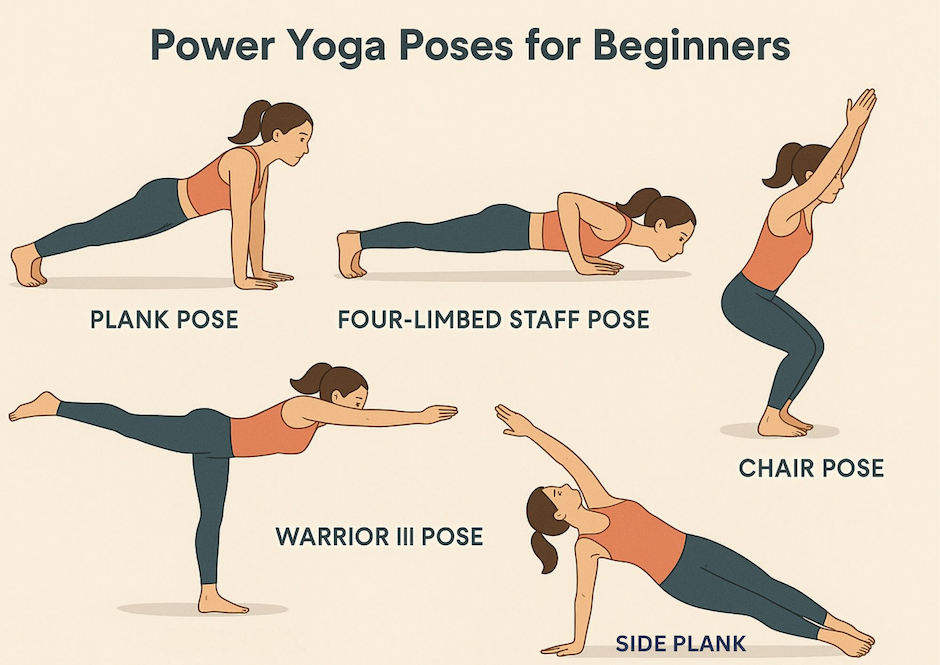
Another myth is that yoga at home is unsafe. In reality, yoga at home without a trainer can be very safe if you follow beginner-friendly instructions. Simple poses, slow transitions, and proper breathing reduce the risk of injury. That’s why most experts recommend easy yoga poses for beginners before anything else.
Yoga at home also gives you freedom. You can practice in the morning, evening, or whenever your body feels ready. You can pause, repeat, or skip poses based on your comfort. This flexibility is what makes yoga for beginners no experience so effective.
Why Yoga for Beginners at Home Is the Best Place to Start
Starting yoga at home isn’t just convenient. It’s actually one of the best ways to learn yoga as a beginner.
First, let’s talk about comfort.
When you practice at home, you feel relaxed. No one is watching you. No one is judging your form. This comfort makes it easier to focus on learning basic yoga poses at home without feeling embarrassed. Confidence grows faster when pressure is removed.
Second, home yoga helps you listen to your body.
In a class, people often try to keep up with others. At home, you move at your own speed. This is especially important for slow yoga for beginners. You can hold poses longer, rest when needed, and avoid pushing too hard. That’s how yoga stays safe and sustainable.
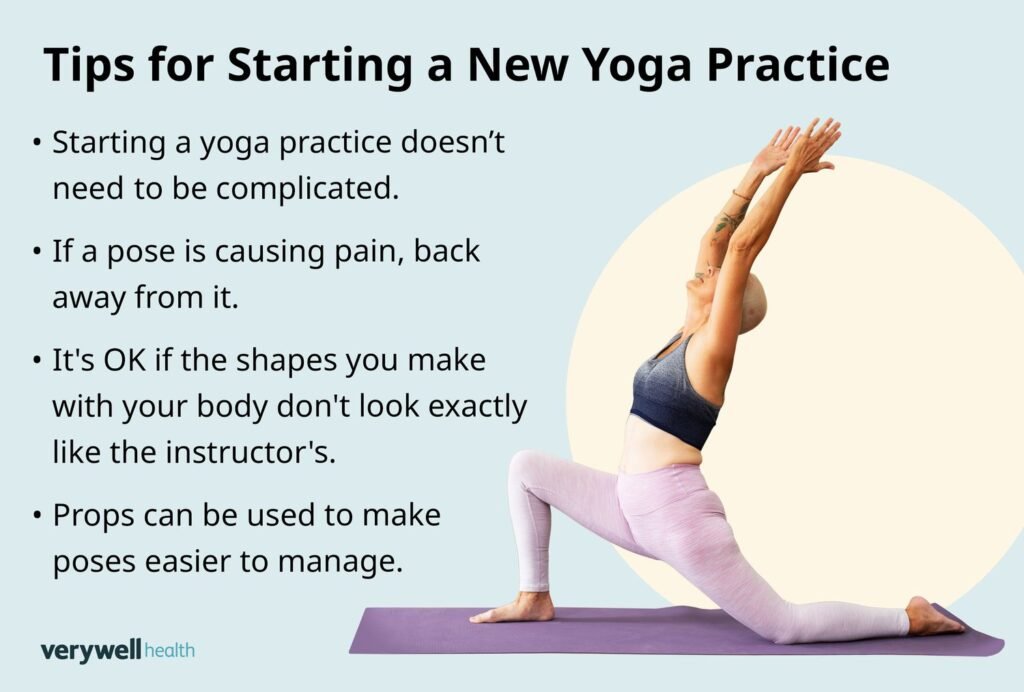
Another big reason beginners choose home yoga is simplicity.
You don’t need machines, weights, or gym memberships. Most yoga for beginners without equipment routines only require a mat or a soft surface. This makes yoga easy to start and easy to continue.
Home practice is also perfect for consistency.
A short daily yoga routine for beginners is better than doing one long session once a week. At home, even 10–15 minutes of beginner yoga practice can make a real difference. Consistency improves flexibility, posture, and energy levels over time.
Let’s talk about results.
Beginners often see improvements quickly with yoga. Yoga stretches for beginners help reduce stiffness. Yoga breathing for beginners calms the mind and lowers stress. Simple movements improve blood flow and muscle awareness. This is why many people stick with yoga once they start.
Yoga at home is also great for specific goals.
If you want gentle movement, yoga for stress relief beginners works well.
If you want to move more, beginner yoga workout at home routines are effective.
If flexibility is your goal, yoga for flexibility beginners is a great starting point.
Another benefit is control.
What You Need Before Starting Yoga for Beginners at Home Step by Steps
Most people think they need expensive mats, tight yoga clothes, or a perfectly quiet room to start yoga for beginners at home step by steps. That belief stops many beginners before they even begin. The truth is simple: you need very little to start yoga at home.
Let’s break this down clearly.
1. Space Matters, Not Size
You don’t need a big room or a studio-like setup. A small corner where you can stretch your arms and legs comfortably is enough. This is why beginner yoga at home works so well even in small houses or apartments.
Make sure the floor isn’t slippery. If you don’t have a yoga mat, a towel or carpet works fine. Remember, yoga for beginners without equipment is completely possible.
2. Comfortable Clothing Is Enough
You don’t need branded yoga wear. Wear clothes that allow free movement. Loose trousers, leggings, or a simple T-shirt are fine. The goal is comfort, not fashion.
When your body feels relaxed, learning basic yoga poses at home becomes easier.
3. Best Time to Practice Yoga at Home
Many beginners ask when they should practice yoga. The best answer is: when you can stay consistent.
Morning yoga is popular because the body feels fresh. A short morning yoga for beginners routine can boost energy and focus. But evening yoga works too, especially for stress relief and relaxation.
Choose a time when you won’t feel rushed. Consistency matters more than timing in beginner yoga practice.
4. Breathing Comes First
One common beginner mistake is ignoring breathing. Yoga is not just movement. It’s breath + movement together.
Slow, deep breathing helps your body relax and improves posture. This is why yoga breathing for beginners is taught from day one. Don’t hold your breath. Let it flow naturally.
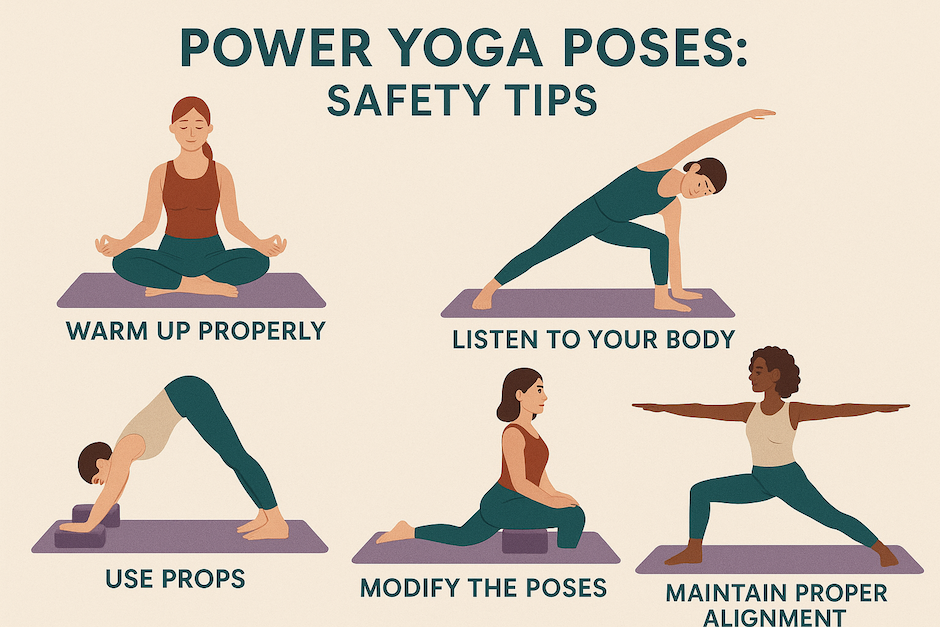
5. Safety Tips Every Beginner Must Follow
To keep yoga at home step by step safe, remember these rules:
- Never force a pose
- Stop if you feel sharp pain
- Move slowly and mindfully
- Focus on form, not depth
- Rest whenever needed
Yoga is not about pushing limits. It’s about understanding your body. Following these basics makes yoga for beginners no experience safe and effective.
6. Mental Preparation Is Just as Important
Don’t expect perfection on day one. Your body may feel stiff. Balance may feel off. That’s normal.
Yoga is a journey. Even 10 minutes of easy home yoga routine is progress. The right mindset helps you stay consistent and enjoy the process.
Once you’re prepared mentally and physically, you’re ready to move into actual poses. That’s where the real practice begins.
Yoga for Beginners at Home Step by Steps – Easy Poses to Start With
Many people believe beginners should jump straight into full routines or advanced flows. That’s a mistake. Yoga for beginners at home step by steps works best when you start with simple, beginner-friendly yoga poses and learn them properly.
Below are easy poses that build a strong foundation. These poses are slow, safe, and perfect for home practice.
1. Mountain Pose (Foundation of All Poses)
This pose looks simple, but it teaches posture and balance.
Stand straight with feet slightly apart. Keep your shoulders relaxed. Hands by your sides. Take slow breaths.
This pose improves body awareness and posture. It’s a great start for yoga basics for beginners.
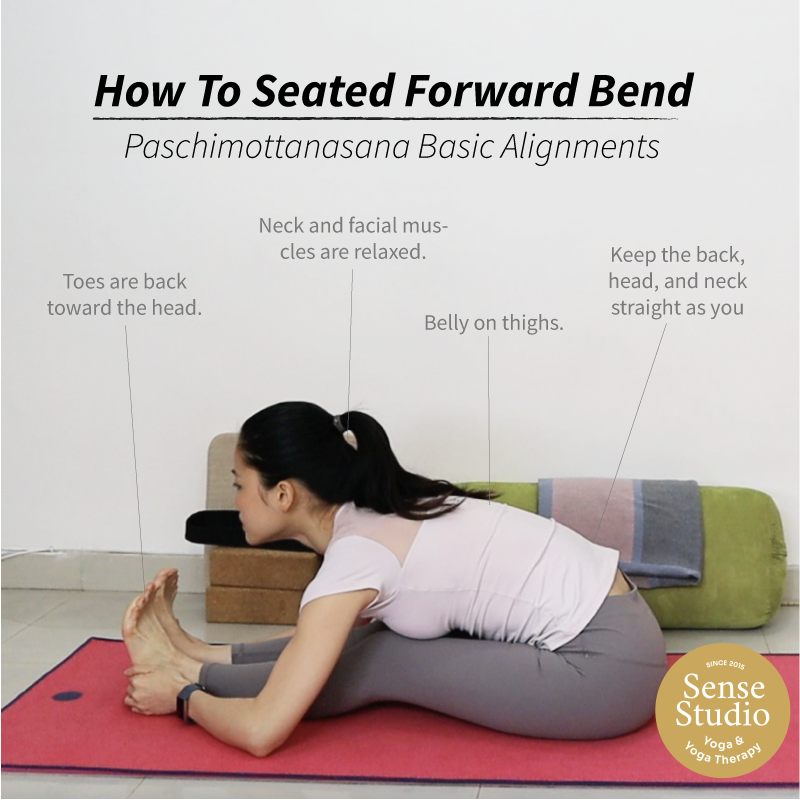
2. Forward Bend (Gentle Stretch)
From standing, slowly bend forward. Let your head hang naturally. Slightly bend your knees if needed.
This pose stretches the back and legs. It’s ideal for yoga stretches for beginners and helps release tension.
3. Child’s Pose (Rest and Relaxation)
Kneel down and sit back on your heels. Stretch your arms forward and rest your forehead on the floor.
This pose is perfect for rest. It’s commonly used in slow yoga for beginners and helps calm the mind.
4. Cat–Cow Pose (Spine Mobility)
Come onto all fours. Inhale and arch your back. Exhale and round your spine.
This gentle movement improves flexibility and reduces stiffness. It’s one of the best yoga exercises step by step for beginners.
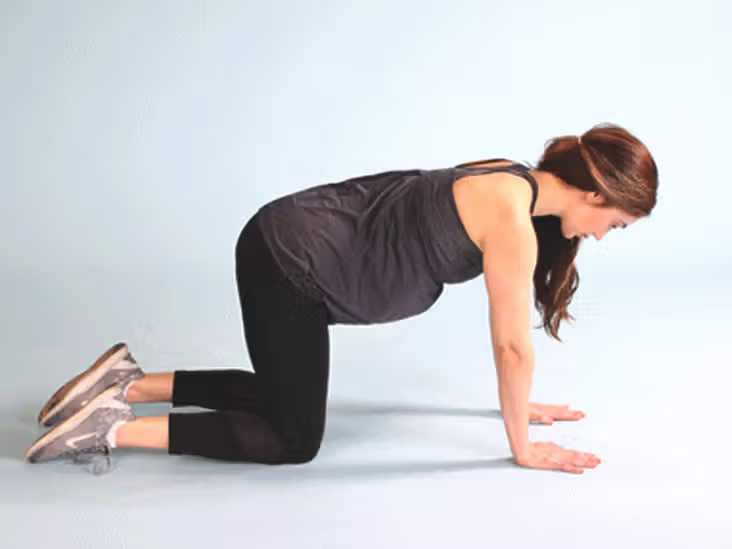
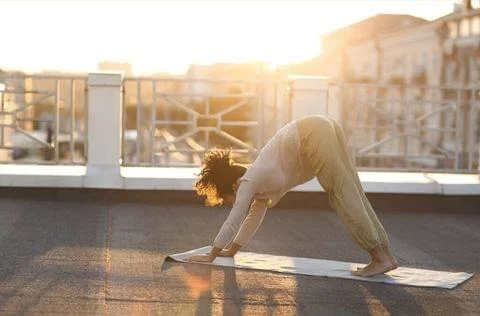
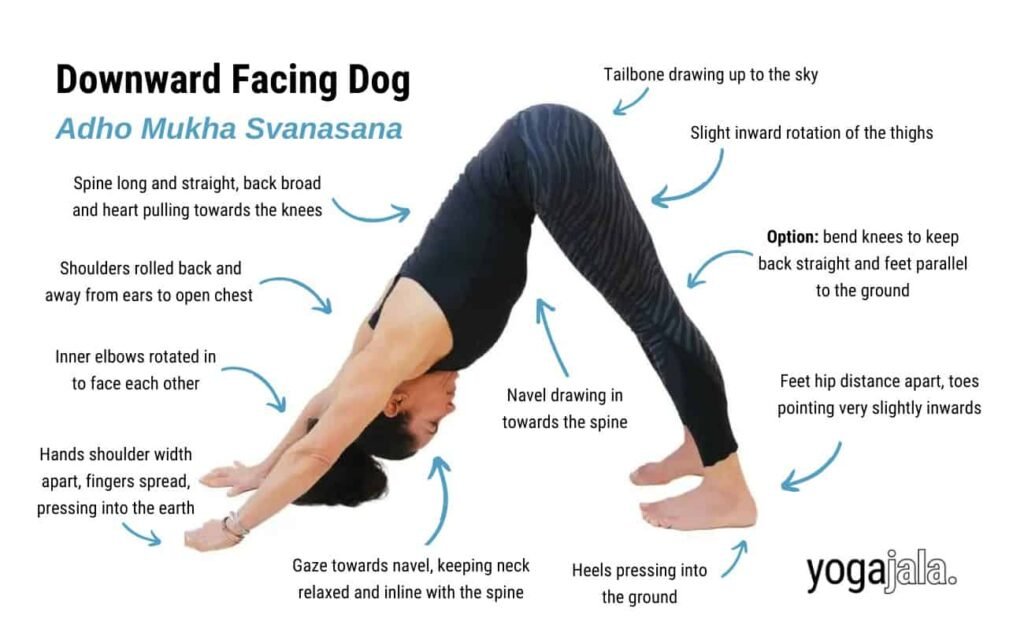
5. Downward Facing Dog (Full Body Stretch)
Lift your hips upward, forming an inverted “V” shape. Keep knees slightly bent if needed.
This pose stretches the whole body and builds strength. Beginners can modify it easily, making it perfect for beginner yoga routine at home.
6. Cobra Pose (Back Strength)
Lie on your stomach. Place hands under shoulders. Slowly lift your chest while keeping hips on the floor.
This pose strengthens the spine and improves posture. It’s great for yoga for beginners full body practice.
7. Seated Twist (Spinal Health)
Sit with legs extended. Bend one knee and gently twist your torso.
This pose improves digestion and spine mobility. It’s commonly included in yoga poses step by step routines.
8. Legs Up the Wall (Relaxation Pose)
Lie on your back and place legs against a wall.
This pose reduces fatigue and stress. It’s ideal for yoga for stress relief beginners and perfect before bedtime.
How to Combine These Poses Into a Simple Routine
You don’t need to do all poses at once. Start with 5–6 poses. Hold each pose for 20–30 seconds. Rest when needed.
A short beginner yoga workout at home can last just 15 minutes. That’s enough to see results over time.
Focus on learning movements correctly. Over time, your flexibility and confidence will improve naturally.
Why These Poses Work for Beginners
These poses:
- Are easy to learn
- Don’t require equipment
- Improve flexibility slowly
- Reduce stress and stiffness
- Build a strong yoga foundation
That’s why they’re perfect for yoga poses for beginners at home and safe for daily practice.
Beginner Yoga Routine at Home (10–20 Minute Daily Plan)
Purpose
- Targets keywords like daily yoga routine for beginners, beginner yoga routine at home
- Helps readers take action immediately
Subpoints to Cover:
- Why short routines work better than long sessions
- Ideal duration for beginners (10, 15, 20 minutes)
- How often beginners should practice yoga
- Difference between daily vs alternate-day practice
- Sample beginner routine breakdown:
- Warm-up (2–3 minutes)
- Main poses (10–12 minutes)
- Cool down + relaxation (3–5 minutes)
- How to adjust routine for:
- Busy schedules
- Low energy days
- Mistakes beginners make while following routines
Yoga for Beginners at Home Without Equipment
Purpose
- Targets yoga for beginners without equipment, yoga at home no tools
- Removes objections that stop beginners
Subpoints to Cover:
- Why yoga doesn’t need gym-style equipment
- Alternatives if you don’t have:
- Yoga mat
- Blocks
- Straps
- Using household items safely
- Floor safety and surface selection
- How equipment-free yoga improves consistency
- Beginner-friendly poses that require nothing
- Safety tips for practicing without equipment
Common Mistakes Beginners Make (And How to Avoid Them)
Purpose
- Builds trust and authority
- Targets yoga tips for beginners, beginner yoga mistakes
Subpoints to Cover:
- Skipping warm-up
- Holding breath during poses
- Comparing yourself with others
- Trying advanced poses too early
- Practicing irregularly
- Ignoring pain signals
- Overstretching for flexibility
- How to fix each mistake simply
- How slow progress is actually good progress
Yoga for Beginners at Home – Weight Loss, Flexibility & Stress Relief
Purpose
- Targets multiple intent-based keywords:
- yoga for weight loss beginners
- yoga for flexibility beginners
- yoga for stress relief beginners
Subpoints to Cover:
- How yoga supports weight loss (realistic expectations)
- Role of consistency vs intensity
- Yoga for flexibility vs gym stretching
- Stress reduction through breathing and slow movement
- Which goal beginners should focus on first
- Why yoga results are slow but long-lasting
- Beginner mindset for sustainable results
Morning vs Evening Yoga for Beginners at Home
Purpose
- Targets morning yoga for beginners, evening yoga at home
- Helps readers personalize practice
Subpoints to Cover:
- Benefits of morning yoga
- Benefits of evening yoga
- Which time is better for beginners
- How to choose based on lifestyle
- Short morning routine example
- Relaxing evening routine example
- What to avoid before practice (food, screen time)
How Long Before You See Results With Beginner Yoga?
Purpose
- Addresses common doubts
- Improves time-on-page and engagement
Subpoints to Cover:
- What “results” actually mean in yoga
- Timeline for:
- Flexibility
- Energy levels
- Stress reduction
- Body awareness
- Why results differ for everyone
- Signs yoga is working (even if scale doesn’t change)
- How to stay motivated in early weeks
1. Can beginners really do yoga at home without a trainer?
Yes, absolutely. Beginners can safely do yoga at home if they follow step by step yoga for beginners at home routines. Start with easy poses, move slowly, and listen to your body. You don’t need a trainer as long as you avoid advanced poses and focus on basics.
2. How many minutes should beginners do yoga at home daily?
For beginners, 10 to 20 minutes daily is more than enough. A short daily yoga routine for beginners works better than long sessions done once in a while. Consistency matters more than duration.
3. Is yoga for beginners at home good for weight loss?
Yes, yoga helps with weight loss, but slowly and naturally. Yoga for beginners at home step by steps improves metabolism, reduces stress, and builds muscle awareness. Combine regular yoga with healthy eating for better results.
4. Do I need any equipment to start yoga at home as a beginner?
No, you don’t need any equipment. Yoga for beginners without equipment can be done on a mat, carpet, or even a towel. Comfortable clothes and a safe surface are enough to get started.
5. How long does it take to see results from beginner yoga at home?
Most beginners feel changes like better flexibility, less stress, and improved energy within 2–3 weeks. Physical changes take more time. Stay consistent with your beginner yoga routine at home, and results will come naturally.