Most people believe that you must choose one goal—either lose weight or gain muscle. That’s the biggest myth in fitness nutrition. In reality, a balanced diet for weight loss and muscle gain helps you do both at the same time. You don’t need to starve yourself, cut all carbs, or live on protein shakes to see results.
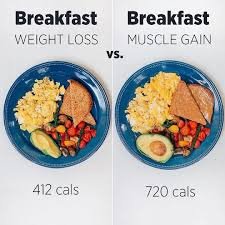
So what does a balanced diet actually mean?
It’s not about strict rules or boring meals. A balanced diet simply means eating the right mix of protein, carbs, and healthy fats in a way that supports fat loss while helping your muscles grow and recover. This approach is often called body recomposition, where you slowly lose fat and build lean muscle together.
Here’s the key difference most people miss:
Weight loss alone focuses only on the scale.
Muscle gain alone focuses only on size.
But a diet for weight loss and muscle gain focuses on how your body looks, feels, and performs.
When your meals are balanced, your body gets enough fuel to train hard, recover properly, and burn fat without breaking down muscle. That’s why crash diets fail. They reduce calories but also kill muscle, slow metabolism, and drain energy.
A healthy diet for losing fat and building muscle also doesn’t mean perfection. You don’t need fancy superfoods or imported ingredients. Whether you’re following a balanced diet at home, eating on a budget, or just starting as a beginner, the principle stays the same:
- Eat enough protein to protect muscle
- Eat smart carbs for energy
- Include healthy fats for hormones and recovery
This is why a balanced nutrition plan works for beginners, gym-goers, and even people training at home. It supports fat loss without weakness and muscle gain without unnecessary fat.
Why a Balanced Diet Works Better Than Crash Diets
Crash diets promise fast results, but they almost always backfire. You lose weight quickly, yes—but most of that loss comes from water and muscle, not fat. That’s the opposite of what you want if your goal is a balanced diet for weight loss and muscle gain.
Here’s why a balanced approach wins every time.
First, your body needs energy to build muscle. When you eat too little, your body goes into survival mode. Metabolism slows down, workouts feel harder, and muscle recovery suffers. This is why people on extreme diets feel tired, weak, and stuck after a few weeks.
A balanced nutrition for fat loss and muscle growth keeps your metabolism active. You eat enough to fuel workouts while still maintaining a small calorie deficit. That’s the sweet spot where fat loss happens without muscle loss.
Second, balance makes consistency easy. Most people quit diets not because they’re lazy, but because the diet is unrealistic. A sustainable weight loss diet allows flexibility. You can enjoy normal foods, control portions, and still make progress.
Third, balanced eating supports hormones and recovery. Healthy fats, proper carbs, and enough protein help regulate stress hormones and improve sleep. Better recovery means better workouts. Better workouts mean more muscle gain and faster fat loss.
This is why a muscle gain and fat loss meal plan built on balance beats any extreme approach. It works for:
- beginners learning nutrition
- people following a gym diet
- anyone wanting a natural muscle gain diet without supplements
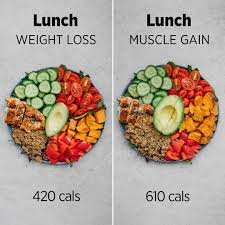
Macronutrients Explained (The Simple Way)
A common belief is that you can just “eat less” and still build muscle. That’s not how the body works. If your meals are not balanced, you might lose weight—but you’ll also lose strength, energy, and muscle. For a balanced diet for weight loss and muscle gain, macronutrients matter a lot. The good news? You don’t need to calculate complicated numbers. You just need to understand the basics.
Let’s break it down in a very simple way.
3.1 Protein – The Muscle Builder
Protein is the backbone of any diet for weight loss and muscle gain. Without enough protein, your body struggles to repair and build muscle, especially if you train regularly.
Protein helps in two major ways:
- It protects your muscles while you’re losing fat
- It keeps you full, which helps with portion control
This is why most muscle building diet plans focus heavily on protein-rich foods. You don’t need supplements to start. Whole foods work perfectly for a natural muscle gain diet.
Good protein sources include:
- Eggs
- Chicken and fish
- Lentils and beans
- Yogurt and milk
- Tofu and cottage cheese
For beginners, consistency matters more than perfection. Spread your protein across meals instead of eating it all at once. This supports muscle recovery and keeps hunger under control throughout the day.
3.2 Carbs – Fuel, Not the Enemy
Carbs get a bad reputation, but cutting them completely is one of the biggest mistakes people make. If you remove carbs, workouts feel harder, recovery slows down, and muscle gain becomes difficult.
In a balanced nutrition plan, carbs are your energy source. They help you:
- Train harder
- Lift heavier
- Recover faster
The key is choosing the right carbs. Whole, slow-digesting carbs support both fat loss and muscle growth.
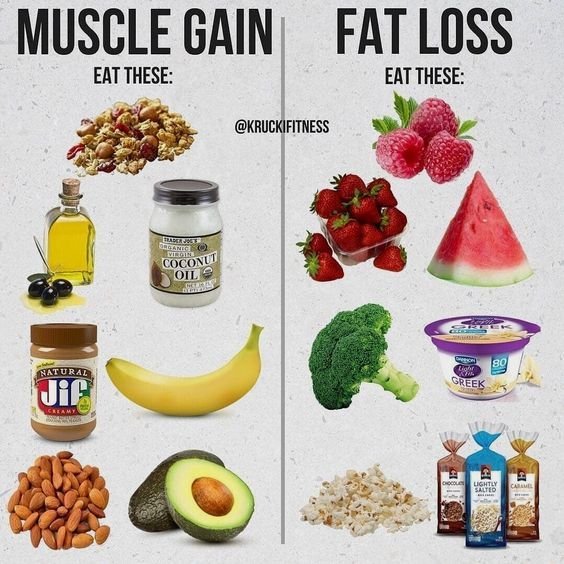
Smart carb choices include:
- Rice and oats
- Potatoes
- Fruits
- Whole grains
Carb timing also matters. Eating carbs around workouts helps fuel performance and improves muscle recovery. This is especially important in a gym diet or a balanced diet for weight loss and muscle gain at home if you train regularly.
3.3 Healthy Fats – The Hormone Supporter
Many people think eating fat makes you fat. That’s another myth. Healthy fats are essential for hormone balance, joint health, and overall recovery.
In a balanced diet for weight loss and muscle gain, fats:
- Support hormone production
- Help absorb vitamins
- Keep meals satisfying
The trick is portion control, not elimination.
Healthy fat sources include:
- Nuts and seeds
- Olive oil
- Avocados
- Fatty fish
When fats are balanced with protein and carbs, they actually support long-term fat loss and muscle growth instead of slowing it down.
Balanced Diet for Weight Loss and Muscle Gain for Beginners
Most beginners think they need a perfect meal plan from day one. That belief often leads to frustration and quitting early. The truth is, beginners don’t need complexity. They need clarity and consistency.
A balanced diet for weight loss and muscle gain for beginners should feel simple, not stressful.
Start with these basic rules:
- Don’t skip meals
- Include protein in every meal
- Eat whole foods most of the time
- Drink enough water
Beginners often overfocus on calories and ignore food quality. Instead of tracking everything, focus on building better habits. This approach works whether you’re following a home diet plan for fitness or eating around a busy schedule.
Another important tip: don’t rush results. Muscle gain and fat loss take time. When beginners eat too little, progress slows down. When they eat balanced meals, energy improves, workouts feel better, and results become visible.
If you’re new to fitness, your body responds fast—but only if you fuel it properly. A balanced meal plan for fitness results helps you stay consistent, avoid burnout, and build confidence over time.
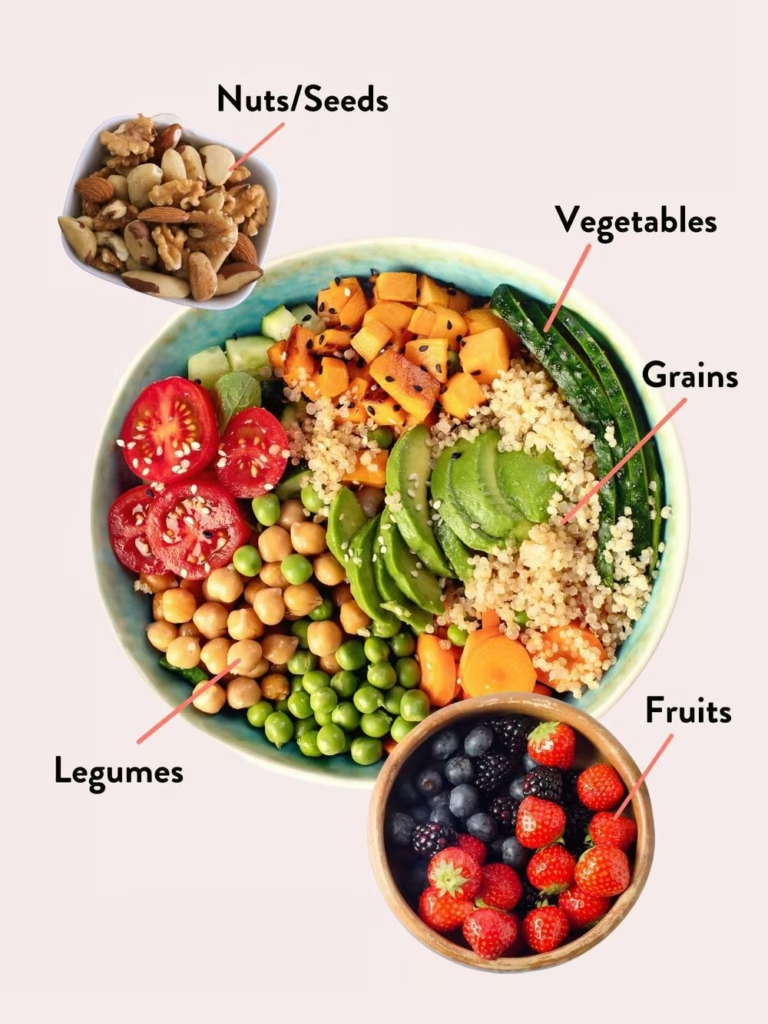
Balanced Diet for Weight Loss and Muscle Gain at Home
- Why you don’t need a gym or fancy meals to get results
- How to follow a balanced diet for weight loss and muscle gain at home
- Common home-cooked foods that support fat loss and muscle growth
- Easy swaps to make regular meals healthier
- Staying consistent while eating homemade food
Balanced Diet for Weight Loss and Muscle Gain Without Supplements
- Do supplements really matter? (honest truth)
- Why whole foods are enough for most people
- Balanced diet for weight loss and muscle gain without supplements
- Natural protein sources for muscle building
- How beginners can grow muscle naturally without powders
Balanced Diet for Weight Loss and Muscle Gain for Men
- Nutrition needs for men who want strength and size
- Protein and calorie needs explained simply
- Balanced diet for weight loss and muscle gain male goals
- Common diet mistakes men make
- How to support muscle gain without gaining fat
Balanced Diet for Weight Loss and Muscle Gain for Women
- Why women need a smarter approach, not extreme dieting
- Balanced diet for weight loss and muscle gain female focus
- Fat loss without losing curves or strength
- Hormone-friendly food choices
- Sustainable nutrition for long-term results
Balanced Diet for Weight Loss and Muscle Gain (Daily Meal Structure)
- How to structure your meals across the day
- Balanced diet for weight loss and muscle gain daily plan
- Meal timing explained in a simple way
- Pre-workout meals for energy
- Post-workout meals for recovery
Diet for Weight Loss and Muscle Gain for Gym & Home Workouts
- Nutrition tips for gym training
- Eating right for home workouts
- Diet for weight loss and muscle gain gym routine
- Recovery foods that help muscle repair
- Why consistency matters more than perfection
Foods to Eat More for Fat Loss and Muscle Gain
- Protein-rich foods for muscle building
- Best carbs for energy and recovery
- Healthy fats that support hormones
- Nutrient-dense foods for overall health
- Clean eating for fitness goals
Foods to Limit (Not Completely Avoid)
- Processed foods that slow progress
- Hidden sugars and liquid calories
- Why restriction fails long-term
- Portion control instead of elimination
Common Diet Mistakes That Stop Results
- Eating too little and losing muscle
- Skipping protein
- Fear of carbs
- Inconsistency and unrealistic expectations
- Why copying influencer diets doesn’t work
Balanced Nutrition for Fat Loss and Muscle Growth (Lifestyle Tips)
- Sleep and recovery explained simply
- Hydration and muscle performance
- Stress and fat storage connection
- Small habits that improve results
Balanced Meal Plan for Fitness Results (Practical Approach)
- How to build your own meal plan
- Muscle gain and fat loss meal plan flexibility
- Food swaps to stay consistent
- Making the diet realistic and sustainable
Final Thoughts – Healthy Diet for Losing Fat and Building Muscle
- Why balanced nutrition always wins
- Long-term mindset for success
- Encouragement for beginners
- Focus on progress, not perfection